 Tampa Roofing
 Building a Deck That Belongs in Ybor City
Ybor City sits in the thick of Tampa's subtropical climate, and a deck here works harder than a deck almost anywhere else in the country. Between the summer heat, the daily thunderstorm pattern, hurricane season, and the salt-tinged air drifting in off Tampa Bay, an outdoor structure gets tested constantly. A deck that was built without those conditions in mind doesn't fail dramatically on day one — it fails slowly, through soft spots, rust streaks, cupped boards, and loose railings that show up two or three summers in.
We build and repair decks for homeowners across the Ybor City area, and most of what separates a deck that lasts fifteen-plus years from one that needs major work in five comes down to decisions made before the first board goes down: how the frame is fastened to the house, what grade of hardware goes into the ground and the ledger, and which decking material actually suits Hillsborough County's climate instead of just looking good on a showroom sample.
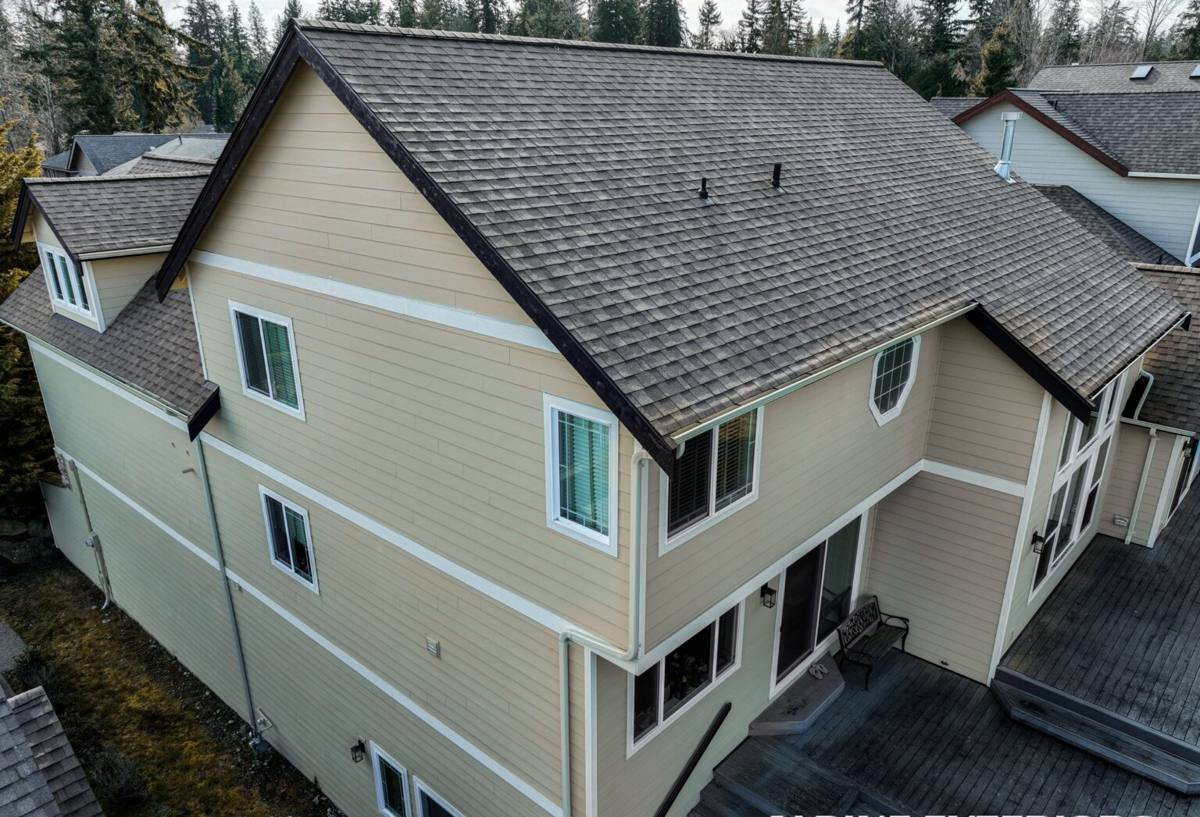
What Tampa's Climate Actually Does to a Deck
It helps to be specific about the stresses at play, because each one points to a different construction decision.
Heat and UV Exposure
Florida sun is intense and consistent nearly year-round. Wood decking that isn't properly sealed and re-sealed will gray, split, and check faster here than in milder climates. UV breaks down the surface fibers of untreated or poorly finished wood, and it also degrades lower-grade composite decking, causing fading and, in some cheaper products, surface chalking.
Wind-Driven Rain and Humidity
Tampa's rain rarely falls straight down — it comes in sideways during summer storms, which means water gets driven into joints, fastener holes, and end grain that a north-facing deck in a drier climate would never see. Combined with high humidity, this is exactly the environment that causes hidden rot at ledger boards, post bases, and stair stringers if flashing and fasteners aren't handled correctly.
Hurricane-Force Wind Loads
Hillsborough County decks need to be attached and framed with real wind uplift and lateral loads in mind, not just vertical weight from people and furniture. The ledger connection to the house, the post-to-footing connection, and railing attachment points are the parts of a deck most likely to be tested — and to fail — in a tropical storm or hurricane if they were undersized or under-fastened to begin with.
Salt Air
Ybor City isn't waterfront, but it's close enough to Tampa Bay that airborne salt is a real factor, especially compared to inland Florida. Salt-laden moisture accelerates corrosion in fasteners, brackets, and any exposed metal hardware. A deck built with standard interior-grade screws or connectors will show rust streaks and weakened joints well before a similar deck built with the right coated or stainless hardware.
What a Correctly Built Deck Involves
A deck is really a system of connections, and every connection is a potential weak point if it's built to minimum spec instead of to the actual conditions the structure will face. A correct build in this area includes:
- A properly flashed ledger board connection to the house, sealed to keep wind-driven rain from wicking into the rim joist
- Footings sized and set to local frost-free depth requirements and soil conditions, with post bases that keep wood off standing water
- Joist hangers, structural screws, and connectors rated for exterior and, where called for, coastal exposure
- Beam and joist spacing calculated for the actual span and load, not just "what's usually done"
- Railing posts through-bolted, not just screwed, at connection points that will see the most lateral force
- Decking fasteners chosen to match the board material, with attention to how they perform after years of thermal expansion and contraction in Florida heat
None of this is exotic. It's the difference between a deck built to pass a quick glance and one built to actually hold up to Hillsborough County weather for two decades.
Choosing the Right Decking Material for Ybor City
There's no single "best" decking material — there's a best fit for a given budget, maintenance appetite, and how much sun and moisture a specific deck will see. Here's how the common options compare under Tampa's conditions:
| Material | Heat & UV Behavior | Moisture / Rot Resistance | Maintenance |
|---|---|---|---|
| Pressure-treated pine | Grays and can check under strong sun without regular sealing | Good if sealed and detailed correctly; vulnerable at fastener holes and end cuts if not | Needs re-sealing every 1-2 years in this climate |
| Tropical hardwood (e.g., ipe-type species) | Excellent natural UV and weather resistance | Naturally dense and rot-resistant | Periodic oiling to maintain color; will gray naturally if left unfinished |
| Capped composite | Strong UV resistance in quality products; lower-grade composites can fade or chalk | Very good; doesn't absorb moisture like wood | Low — occasional cleaning, no sealing |
| PVC decking | Very good UV stability | Excellent; effectively immune to rot since there's no wood content | Low — cleaning only |
We'll walk through this honestly during an estimate rather than steering everyone toward the highest-margin product. Pressure-treated wood is a legitimate, cost-effective choice if the homeowner is willing to keep up with sealing on a Florida-appropriate schedule. Composite and PVC cost more up front but trade ongoing maintenance for material cost, which matters if a deck sees full afternoon sun with little shade.
Hardware and Fasteners: The Part Nobody Sees
Most deck problems we get called out to inspect in this area trace back to hardware, not decking. Standard zinc-coated screws and brackets are fine in a dry inland climate, but with Ybor City's combination of humidity, wind-driven rain, and salt air, they corrode faster than most homeowners expect. We use hot-dip galvanized or stainless connectors and coated exterior-rated fasteners matched to the decking material — this matters especially with certain treated lumber chemistries, which can accelerate corrosion in the wrong metal type. It's a small line item on an estimate that has an outsized effect on how the deck ages.
Permits, Attachment, and Wind Code
Hillsborough County requires permits and inspections for most new deck construction, and for good reason — the ledger attachment and post/footing design are exactly the elements that determine whether a deck stays put in a tropical storm. We pull permits, build to the load and connection requirements that apply locally, and go through inspection rather than treating that step as optional paperwork. A deck that skipped permitting is often a deck that skipped the structural detailing that actually protects it — and the people standing on it — when wind loads show up.
Our Process for Ybor City Deck Projects
Every deck project follows the same sequence, whether it's a new build, a rebuild, or a repair:
- On-site assessment — we look at sun exposure, drainage, existing structure condition (for rebuilds), and how the space will actually be used
- Material and layout discussion — honest trade-offs on decking material, railing style, and layout based on budget and maintenance preference
- Permitting — plans drawn to meet Hillsborough County requirements, permit pulled before work starts
- Demolition or site prep — safe removal of any existing structure, footing layout
- Framing — footings, posts, beams, joists, and the ledger connection, built to the loads this climate actually produces
- Decking and railing installation — fasteners matched to material, attention to expansion gaps for Florida's temperature swings
- Final inspection and walkthrough — county sign-off, then a walkthrough with the homeowner covering care and maintenance specific to the material chosen
Maintenance That Actually Matters Here
What a deck needs to stay sound in Ybor City depends heavily on the material, but a few things apply across the board:
- Keep gaps between boards clear of debris so water and airflow can do their job, especially after storm season
- Check railing posts and stair connections annually for looseness — these take the most lateral stress in wind events
- Rinse salt residue and pollen off the surface periodically, particularly on decks with more open exposure
- Re-seal or re-oil wood decking on a schedule suited to Florida sun, not the mildest-climate recommendation on the product label
- Look at the underside of the deck occasionally, not just the walking surface — that's where early rot and rust show up first
Why a Locally Experienced Crew Matters
A deck design that works fine in a drier, cooler part of the country can be genuinely undersized for what Tampa Bay throws at it. Working regularly in Hillsborough County means knowing which fastener grades hold up here, which decking products actually perform under this much sun rather than just carrying a warranty that assumes milder conditions, and how the county's permitting and inspection process runs in practice. It also means we've already seen how different materials and details age in Ybor City's specific mix of heat, storms, and salt air — not just in a manufacturer's spec sheet.
If you're planning a new deck, replacing an aging one, or dealing with soft boards, rust stains, or a wobbly railing on an existing structure, we're glad to take a look and talk through honest options. Reach out for a free, no-pressure estimate using the form below.