 Tampa Roofing
 Why Ybor City's Climate Is Hard on Windows
Ybor City sits close enough to Tampa Bay that homes here deal with a specific combination of stresses most inland Florida neighborhoods don't face all at once: salt-laden air drifting in off the water, intense UV exposure nearly year-round, sudden wind-driven rain from summer thunderstorms, and the very real possibility of hurricane-force winds during storm season. Any one of these will wear down a window over time. Together, they shorten the useful life of standard residential glass and framing considerably faster than in a drier, cooler climate.
Old or poorly sealed windows in Hillsborough County don't just look tired — they leak conditioned air, let UV bake interior floors and furniture, and in a real storm, they're often the weak point that lets wind and water into the house. Energy-efficient windows done correctly address all of this at once: lower cooling bills, less UV damage, and a tighter, stronger envelope when weather turns bad.
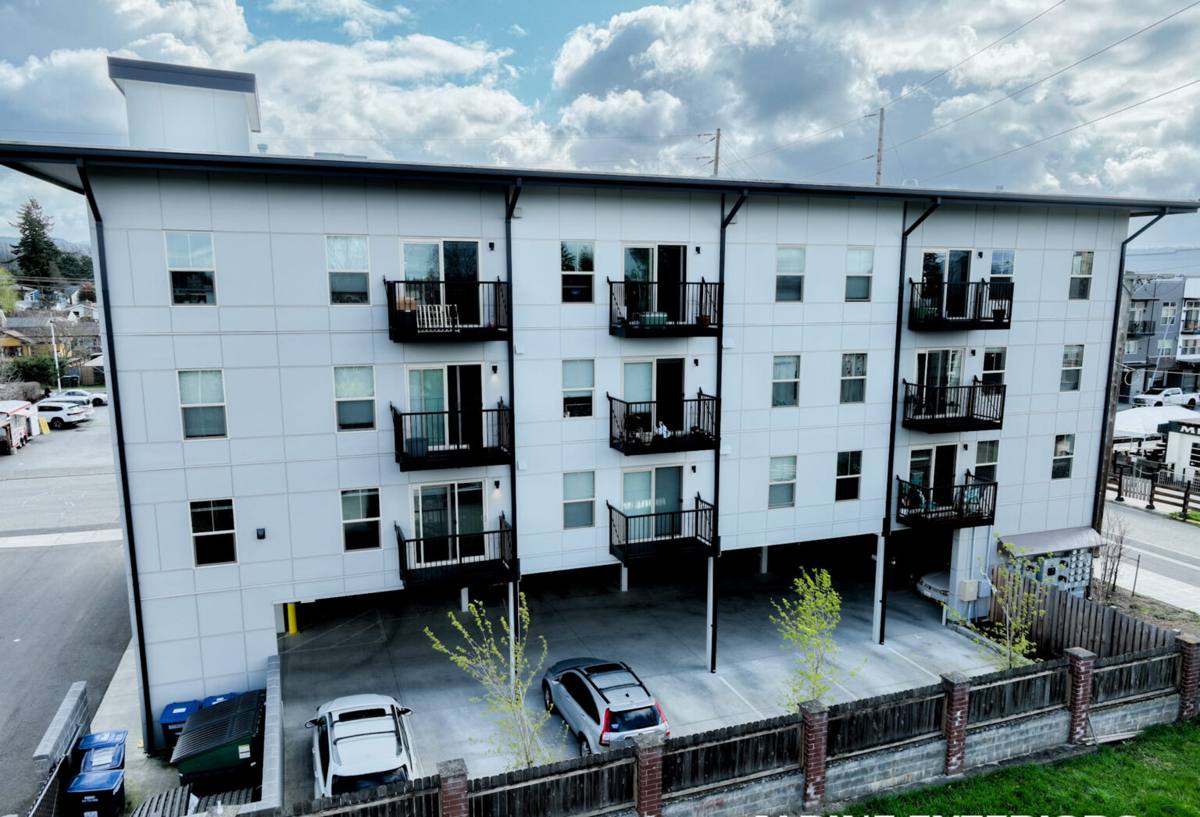
Ybor City's Housing Stock: Older Homes, Mixed Construction
Ybor City is one of Tampa's older, historic neighborhoods, and that matters for window work. You'll find a mix of older wood-frame houses — many originally built with single-pane, wood-sash windows — alongside newer infill construction and renovated properties. Older wood-frame homes often have window openings that are slightly out of square after decades of settling, original trim and siding that needs careful handling, and, in some cases, historic-district guidelines that affect what a replacement window is allowed to look like from the street.
This is different from a straightforward swap in a newer subdivision home with standard, square, vinyl-clad openings. A crew that hasn't worked older Tampa housing stock can run into surprises — rotted framing hidden behind trim, non-standard rough openings, or lead paint on older sills that requires proper handling. None of this is a reason to avoid the project; it's a reason to have someone measure and inspect carefully before ordering anything.
What This Means for Your Project
- Expect a detailed on-site measurement, not a quick guess from a listed "standard size"
- Ask up front whether your property falls in a historic overlay that restricts exterior appearance changes
- Budget some flexibility for hidden wood repair around older openings — it's common, not a red flag
- If your home has lead-based paint (common in pre-1978 construction), proper containment procedures should be part of the quote, not an afterthought
What "Energy-Efficient" Actually Means for a Tampa Window
The phrase gets used loosely, so it's worth being specific. In this climate, an energy-efficient window is doing three separate jobs: blocking heat gain, blocking UV, and holding an air seal under pressure — including wind pressure.
Low-E Coatings and Glass Packages
Low-emissivity (Low-E) coatings are microscopically thin layers on the glass that reflect infrared heat back outside while still letting visible light through. For a west- or south-facing Ybor City home baking in Florida sun most of the year, this is the single biggest factor in keeping rooms comfortable and easing the load on your air conditioner. Paired with an insulated (double-pane) unit and an inert gas fill like argon between the panes, a good Low-E package meaningfully cuts both summer heat gain and winter heat loss.
U-Factor and Solar Heat Gain Coefficient (SHGC)
Every code-compliant replacement window has a label listing U-factor (how much heat passes through — lower is better) and SHGC (how much solar heat it lets in — lower is better in a hot climate like Tampa's). For Hillsborough County homes, we generally steer customers toward lower SHGC glass on sun-exposed elevations, since blocking solar heat matters more here than retaining winter warmth.
Frame Performance
Glass gets the attention, but the frame and the installation seal around it matter just as much. A high-performance glass package installed with a poor seal or in a cheap frame will still leak air and let moisture creep in over time — negating a lot of the benefit you paid for.
Wind, Impact Rating, and Building Code
Florida's building code sets minimum wind-load and impact requirements based on your location's wind zone, and Hillsborough County properties are subject to those standards on new installations. This is a separate consideration from energy efficiency, but the two overlap heavily in practice, because most quality impact-rated windows on the market today also come with strong Low-E glass packages — you're rarely choosing one or the other.
Impact-Rated vs. Standard Windows with Separate Protection
| Factor | Impact-Rated Windows | Standard Windows + Removable Shutters/Panels |
|---|---|---|
| Upfront cost | Higher per-window cost | Lower window cost, added shutter/panel cost |
| Storm prep effort | None — always in place | Requires installing panels before every storm |
| Daily UV/noise reduction | Laminated glass also cuts UV and outside noise year-round | No everyday benefit — shutters only help during install |
| Appearance | Clean look with no visible hardware | Shutters/panels visible when deployed, storage needed off-season |
| Insurance considerations | May help with wind-mitigation credits — verify with your carrier | Depends on shutter type and documentation |
Neither option is wrong. Homeowners who travel often or who don't want to manage shutter logistics during a storm watch tend to prefer impact-rated glass. Homeowners on a tighter budget sometimes choose standard windows now and add shutters, with a plan to upgrade windows later. We'll walk through both honestly based on your home and budget rather than push the higher-margin option.
Frame Material: An Honest Look at the Trade-Offs
Salt air and constant UV are hard on framing materials, and not every option ages the same way in this climate.
- Vinyl — Good energy performance and low maintenance, but quality varies widely between manufacturers. Cheaper vinyl can discolor or become brittle under years of intense Gulf Coast UV. We stick to manufacturers with reinforced frames and UV-stabilized formulations rated for this climate.
- Aluminum — Strong and slim-profile, historically common in older Florida homes, but it conducts heat more than vinyl or fiberglass unless it has a thermal break. Salt air can also accelerate corrosion on lower-grade aluminum over time.
- Fiberglass — Very stable dimensionally and holds paint well, which matters if a historic district requires a specific painted appearance. Higher upfront cost, but low long-term maintenance.
- Wood-clad — Can match the traditional look older Ybor City homes call for, but requires more ongoing maintenance in a humid, salt-air environment and is more sensitive to installation quality.
We don't push a single "best" material on every job. The right call depends on your home's age, whether you're matching an existing historic look, your budget, and how much long-term maintenance you're willing to take on.
How We Approach a Ybor City Window Project
1. On-Site Assessment
We measure every opening individually — no assuming they match — and check framing condition, look for water intrusion history, and note any historic-district or HOA restrictions that could affect the product or color options.
2. Product Selection
We walk through glass packages, frame materials, and impact-rating options against your budget and priorities (energy bills, storm protection, noise, or a mix), and explain the trade-offs plainly rather than upselling.
3. Permitting
Window replacement in Hillsborough County generally requires a permit, and impact-rated products need to meet current Florida Building Code wind-load requirements for your specific location. We handle the permit application and inspection scheduling as part of the job — this isn't something that should be skipped to save time.
4. Removal and Installation
Careful removal matters most on older openings, where trim and siding may be original. We flash and seal each opening properly — this is where a lot of long-term problems start if it's rushed — and set the new unit plumb, level, and square before final fastening and sealing.
5. Final Inspection and Walkthrough
We check operation, seals, and weatherproofing on every window before calling the job done, and walk you through anything you should know for maintenance going forward.
Signs Your Current Windows Are Working Against You
- Rooms near windows feel noticeably hotter than the rest of the house on sunny afternoons
- You can feel a draft or hear outside noise clearly even with windows closed
- Condensation forms between the panes (a sign the seal has failed on a double-pane unit)
- Frames show soft spots, discoloration, or corrosion, especially on the sides facing prevailing wind and rain
- Windows are difficult to open, close, or lock properly
- Your cooling costs have crept up without a clear reason
- Fabric, flooring, or furniture near windows is visibly sun-faded
Any one of these is worth a look. Several at once usually means it's time to talk about replacement rather than another repair.
Why Local Experience with Ybor City Homes Matters
A crew that regularly works in Ybor City and the surrounding Tampa area already knows the local permitting process, understands the wind-load requirements that apply here, and has seen the quirks that come with the neighborhood's mix of older and newer construction. That experience shows up in fewer surprises mid-project — the framing issue gets caught during the initial assessment instead of the install day, the historic-district question gets asked before the order is placed, not after.
It also matters for accountability. A local, established contractor is easy to reach if a question comes up after the job — about warranty coverage, a seal that needs a look, or how a product is holding up a year or two later.
Maintenance That Extends the Life of Your Investment
Even the best window benefits from basic upkeep in this climate. Rinse frames and tracks periodically to clear salt residue, especially if you're within a few miles of the water. Keep weep holes (small drainage openings in the frame) clear of debris so water doesn't pool. Check caulking and sealant annually, since Florida's heat and UV break down exterior sealants faster than in milder climates. And after any major storm, a quick visual check of seals and frames is worth the ten minutes it takes.
If your Ybor City home has windows that are underperforming, aging, or simply weren't built for what this climate throws at them, we're happy to take a look and walk you through honest options. Fill out the form below for a free, no-pressure estimate.