 Tampa Roofing
 New-Construction Windows in Hyde Park
Hyde Park sits close to Tampa Bay, in one of the city's older, more established neighborhoods. That means two things for anyone planning a window project here: a lot of the housing stock is original-frame construction from decades past, and a lot of current activity is additions, teardown-rebuilds, and whole-house renovations that expose the rough opening down to the studs. That second category is where new-construction windows come in. They're a different product and a different install method than the replacement windows most homeowners are used to hearing about, and getting that distinction right matters more here than in a lot of inland markets because of what Hillsborough County building code requires near the water.
This page covers new-construction windows specifically — what they are, when a Hyde Park project actually calls for them, and what a correct installation looks like given our climate.
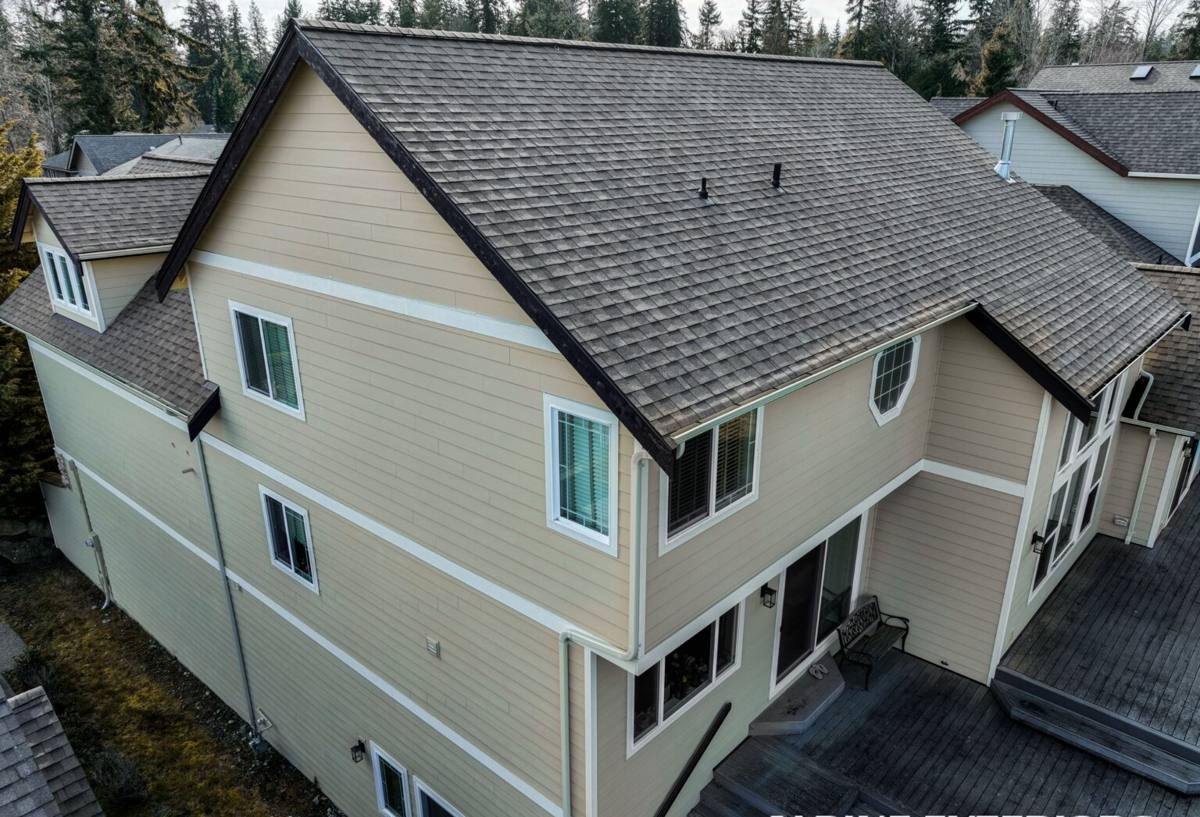
New-Construction vs. Replacement: Why It Matters Here
"New-construction" windows have a nailing fin (sometimes called a flange) that attaches directly to the wall sheathing before siding or stucco goes back on. They're the right choice when the wall is open — new additions, full teardown-rebuilds, or gut renovations where the exterior finish is coming off anyway. "Replacement" or "pocket" windows, by contrast, are built to slide into an existing frame without disturbing the surrounding wall or exterior finish, which is the more common job on an untouched older home.
Hyde Park has a mix of both scenarios in play at any given time — historic bungalows and Craftsman-era homes getting additions or full renovations, and newer infill construction going up on smaller lots. If your project has the wall open to the studs, new-construction windows are almost always the better long-term choice, because they let us properly integrate the window flange with the house wrap and flashing system rather than working around what's already there.
| Factor | New-Construction Window | Replacement (Pocket) Window |
|---|---|---|
| Best used when | Wall is open — addition, rebuild, gut reno | Existing frame is sound, exterior finish stays intact |
| Flashing/moisture control | Fully accessible, built into the wall assembly | Limited to what's reachable through the existing opening |
| Glass area | Can typically be sized larger (no inner frame loss) | Slightly reduced by the insertion frame |
| Exterior finish work | Required — siding/stucco must be removed and reset | Not required |
| Typical use in Hyde Park | Additions, rebuilds, full renovations | Standalone window swaps on untouched walls |
What Tampa Bay Climate Demands From the Window and the Install
Hillsborough County isn't in the state's High-Velocity Hurricane Zone (that designation applies further south, in Miami-Dade and Broward), but it is squarely within the Wind-Borne Debris Region under the Florida Building Code. In practice, that means new construction and additions in this area need windows that are either impact-rated or paired with approved opening protection, sized to the wind pressures for the specific site. A window that's rated for a calmer inland market isn't automatically rated for a lot two miles from Tampa Bay.
The four things working against a window here
- Hurricane-force wind: Wind load isn't just about the glass surviving impact — it's also about the frame and anchoring holding under sustained pressure and pressure cycling during a storm.
- Year-round UV: Florida sun degrades cheap vinyl, weakens seals, and fades interior finishes faster than most homeowners expect. Frame material and glass coating both matter here.
- Wind-driven rain: Tampa storms don't just fall straight down — wind pushes rain sideways into wall assemblies. Flashing detail at the window opening is what actually keeps water out, more than the window product itself.
- Salt air: Hyde Park's proximity to Tampa Bay means airborne salt reaches hardware, fasteners, and frame components faster than it would ten or fifteen miles inland. Corrosion-resistant hardware isn't optional this close to the water.
What a Correct New-Construction Install Involves
Because new-construction windows integrate directly into the wall assembly, the quality of the install depends heavily on steps that are invisible once the siding or stucco goes back on. This is where a rushed or inexperienced crew causes problems that don't show up until the first hard-driven rainstorm.
The sequence we follow
- Rough opening check. Confirm the opening is square, plumb, and sized correctly for the specified unit before anything goes in.
- Water-resistive barrier and flashing. House wrap is lapped and sealed in the correct shingle-style order — sill pan first, then jambs, then head flashing — so water is always directed outward and down, never trapped behind the window.
- Sill pan installation. A sloped or dammed sill pan gives any water that does get past the window a way out instead of sitting against the framing.
- Setting the window. The unit is shimmed level and plumb, fastened through the nailing fin per the manufacturer's schedule, and checked for even reveal on all sides.
- Fastening to wind-load specification. Fastener type, spacing, and embedment are matched to the wind pressure rating required for the site — not a generic "close enough" pattern.
- Sealing. Backer rod and sealant at the perimeter, sized and applied so the joint can flex without cracking as the building moves seasonally.
- Interior and exterior trim. Finish work is completed once the structural and weatherproofing steps are verified — not before.
Choosing the Right Frame Material
Frame material affects how a window holds up to UV, humidity, and salt exposure over time. There's no single right answer for every project, but the trade-offs are worth understanding before you commit.
| Frame Material | Strengths | Trade-offs in this climate |
|---|---|---|
| Vinyl | Lower cost, low maintenance, decent insulation | Lower-grade vinyl can warp or discolor under sustained UV; quality varies widely by manufacturer |
| Aluminum | Strong, slim sightlines, holds up structurally to wind loads | Conducts heat/cold more than other materials; needs a good thermal break |
| Fiberglass | Very stable dimensionally, resists UV and moisture well | Higher upfront cost |
| Wood-clad | Traditional look that suits historic Hyde Park architecture | Requires more upkeep; cladding must be well-sealed against humidity |
For historic-style homes in Hyde Park where the look matters as much as the performance, wood-clad or a well-detailed aluminum unit often makes the most sense. For additions and rebuilds where performance and low maintenance are the priority, fiberglass or a quality vinyl product tends to be the better long-term value. We'll walk through the trade-offs against your specific project rather than pushing one material for every job.
Permitting and Code Compliance
New-construction window work in Tampa and unincorporated Hillsborough County requires a permit, and inspectors will check both the product approval (the window's Florida Product Approval or Miami-Dade NOA number, confirming it's rated for the required wind pressure) and the installation itself. Skipping or fudging this step doesn't just risk a failed inspection — it can create real problems at resale, since missing permits on window work are a common finding during a home sale inspection.
We pull permits as part of the job, size the specification to your site's actual wind pressure requirements (which vary by exposure category and how close the home is to open water), and leave you with documentation that holds up if you sell the home or file an insurance claim down the road.
Why Local Experience on This Kind of Install Matters
New-construction window work rewards a crew that has done it repeatedly in this specific area. A few reasons that shows up in the finished result:
- Correct wind-load sizing: A crew that regularly works Tampa Bay-area additions knows how to translate a site's exposure category into the right product spec, rather than defaulting to a generic pressure rating.
- Flashing detail that actually sheds wind-driven rain: This is a skill built through repetition, not something a product spec sheet teaches.
- Familiarity with older Hyde Park framing: Homes from earlier building eras sometimes have non-standard rough openings or wall assemblies that need adjustment before a new-construction window will set correctly.
- Permit and inspection relationships: Knowing what Hillsborough County and City of Tampa inspectors look for avoids repeat trips and delays.
A Practical Pre-Project Checklist
- Confirm whether your project truly needs new-construction windows (open wall) or replacement windows (finish stays intact)
- Get the site's wind pressure/exposure requirement confirmed before ordering product
- Verify the window's Florida Product Approval matches the required pressure rating
- Ask how sill pan flashing and head flashing will be detailed — get specifics, not a general answer
- Confirm who is pulling the permit and scheduling inspections
- Decide on frame material based on both appearance and maintenance tolerance, not price alone
- Ask about fastener and hardware corrosion resistance given the proximity to Tampa Bay
What Affects Cost
New-construction window pricing depends on more variables than a simple per-window number can capture. Broadly, expect the total to move up or down based on:
| Cost Factor | Why It Matters |
|---|---|
| Frame material | Vinyl is generally the most affordable; fiberglass and wood-clad cost more upfront |
| Wind pressure rating required | Higher-rated impact glass and heavier frames cost more than standard-pressure units |
| Window size and configuration | Larger units, custom shapes, and multi-panel configurations add cost |
| Exterior finish restoration | Stucco repair costs more per opening than resetting lap siding |
| Number of openings | Per-unit cost typically drops on larger jobs with multiple windows done at once |
We'll give you a written, itemized estimate before any work starts so you can see exactly what's driving the number.
Get an Estimate for Your Hyde Park Project
Whether you're planning an addition, a full renovation, or a rebuild in Hyde Park, we'll walk the site, confirm what wind pressure rating your project actually requires, and give you a straightforward, no-pressure estimate for new-construction window installation done to Hillsborough County code. Reach out using the form below to get started.