 Tampa Roofing
 Why South Tampa Siding Takes a Different Approach
South Tampa sits closer to the water than almost any other part of Hillsborough County, and that changes what a homeowner should expect from their siding. Homes here face a combination most inland Florida properties don't deal with at the same intensity: salt-laden air drifting off Tampa Bay, direct hurricane exposure with limited buffer from open water, and some of the most consistent, intense UV load in the continental United States. Add in the wind-driven rain that comes with every tropical system and even routine summer storms, and you have a climate that is genuinely hard on exterior building materials.
Siding in this part of Tampa isn't just a cosmetic layer. It's the first line of defense against wind uplift, moisture intrusion, and the slow chemical breakdown that salt air and UV cause over years of exposure. A product and installation method that works fine in a drier, calmer climate can fail early here — not because it's a bad product everywhere, but because it wasn't built for this specific combination of stressors.
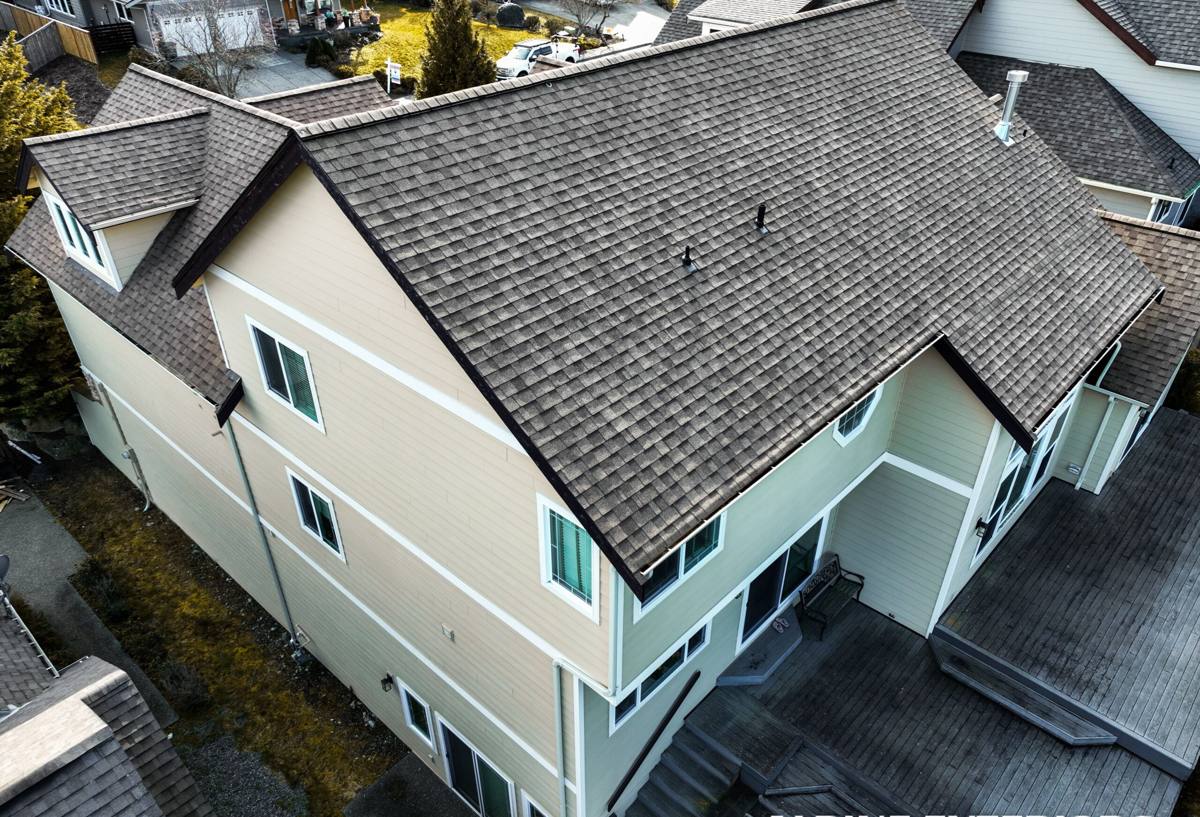
What South Tampa Homes Actually Need From Their Siding
Wind Performance
South Tampa's exposure to Tampa Bay means homes can see higher sustained winds and more turbulent gusting during tropical storms and hurricanes compared to areas further inland. Siding needs a fastening pattern and a product rated to hold up under that load — not just meet a minimum code requirement, but genuinely resist the uplift and lateral pressure that comes with a direct or near-direct storm track.
Moisture Management
Wind-driven rain doesn't just fall — it gets pushed sideways and upward into seams, corners, and penetrations. Siding that isn't installed with the right flashing, clearances, and drainage plane can trap moisture behind it, which leads to rot in the substrate, mold, and hidden damage that's invisible until it's expensive.
Salt Air and UV Resistance
Being close to the bay means airborne salt settles on exterior surfaces constantly. Combined with Tampa's UV load — among the highest annual averages in the country — many siding materials fade, chalk, or degrade faster here than the manufacturer's marketing materials assume. The material itself needs to be dimensionally stable and chemically resistant to both salt and sun, and the finish needs to be engineered to hold color and integrity under that load, not just look good on installation day.
Why We Install Only James Hardie Fiber Cement
We made a deliberate decision as a company to install James Hardie fiber cement siding exclusively — not vinyl, not LP SmartSide, not Cemplank, Allura, primed spruce, or cedar. That's not a marketing position; it's a standard we hold because of what we've seen play out on real Florida homes over time.
Fiber cement is non-combustible, which matters in a state where lightning-driven fires and grill/ember exposure are a real consideration. It doesn't absorb water the way wood-based products can, so it doesn't swell, rot, or attract termites the way primed spruce or cedar can in a humid coastal climate. And unlike vinyl, it doesn't soften, warp, or become brittle under sustained high heat and UV — vinyl's expansion and contraction cycle in Tampa's heat can loosen fastening over years, and vinyl's colorfastness under intense UV is a known limitation across the industry, not a defect unique to one brand.
James Hardie's HZ5 product line is specifically engineered for high-humidity, high-moisture climates like ours, and their ColorPlus factory-applied finish is baked on under controlled conditions — it resists fading and chipping far better than field-applied paint, which matters enormously under South Tampa's UV and salt exposure. The warranty structure is also transferable, which is a real asset if a home in this area sells within the life of the siding — and turnover in South Tampa's real estate market is not uncommon.
Fiber Cement vs. Other Common Siding Options in This Climate
| Factor | James Hardie Fiber Cement | Vinyl | Wood / Primed Spruce / Cedar |
|---|---|---|---|
| Hurricane wind rating | Engineered HZ lines rated for high-wind zones | Varies widely by gauge; can crack or blow off in gusts | Depends on install; wood itself doesn't add wind resistance |
| Moisture/rot resistance | Does not rot; resists moisture intrusion | Doesn't rot but can trap moisture behind panels | Prone to rot and swelling in humid coastal air |
| UV/color stability | ColorPlus factory finish resists fading | Can fade, chalk, and become brittle over time | Requires repainting/resealing on a recurring cycle |
| Salt air durability | Chemically stable, built for coastal exposure | Generally stable but seams and fasteners are weak points | Salt accelerates wood degradation and finish failure |
| Fire resistance | Non-combustible | Combustible | Combustible |
| Long-term maintenance | Low — occasional wash, caulk checks | Low but replacement panels can be hard to color-match later | High — recurring paint, sealing, pest monitoring |
What a Correct James Hardie Installation Involves
The product is only half the equation. Fiber cement siding fails prematurely almost exclusively because of installation mistakes, not material defects — and in a wind- and rain-exposed area like South Tampa, those mistakes show up faster than they would elsewhere.
- Proper fastening pattern: Hardie specifies fastener type, spacing, and embedment depth by product line and wind zone. Under-fastening is one of the most common causes of panel failure in storms.
- Correct clearances: Siding needs proper gaps from rooflines, decks, and grade to prevent wicking moisture and to allow the assembly to drain and dry properly.
- Weather-resistive barrier and flashing: A correctly installed drainage plane and flashing at every window, door, and penetration is what actually keeps wind-driven rain out — the siding itself is the outer layer, not the only layer.
- Joint and seam treatment: Butt joints, corners, and trim need to be sealed and detailed per manufacturer spec, using compatible sealants that won't degrade under UV and salt exposure.
- Factory-finish preservation: ColorPlus finish should never be field-painted unnecessarily or handled in ways that scratch through the factory coating, since that's where much of its longevity comes from.
Our Process for a South Tampa Siding Project
1. On-Site Assessment
We inspect the existing siding or substrate, check for hidden moisture or rot, evaluate wind exposure specific to the property's location and orientation, and identify any flashing or drainage issues that need to be corrected before new siding goes on.
2. Product and Color Selection
We walk through the relevant Hardie product line for the home's exposure level and help select a ColorPlus finish that fits the neighborhood's character while holding up to the sun and salt.
3. Substrate Prep
Any damaged sheathing or framing is addressed before siding goes on — installing new siding over a compromised substrate just hides a problem rather than fixing it.
4. Installation to Manufacturer Spec
Our crews follow Hardie's fastening, clearance, and flashing requirements exactly, adjusted for the wind zone and exposure of the specific property.
5. Final Inspection and Walkthrough
We walk the completed job with the homeowner, checking seams, trim, and finish before calling it done.
Why a Crew That Already Works South Tampa Matters
Siding installation quality is highly dependent on local judgment calls — how much clearance to leave given a specific lot's drainage, how to detail flashing around the kind of window and door styles common in this part of Tampa, and how to plan a project around the region's storm season timing. A crew that works South Tampa regularly has already seen how these homes perform through actual hurricane seasons and knows where generic installation guidance needs to be adjusted for this specific stretch of coastline.
There's also a practical scheduling reality: contractors familiar with the area understand permitting expectations in Hillsborough County and can plan installation windows around Florida's wet season and storm season rather than working against them.
Maintenance Expectations After Installation
- Rinse siding periodically to remove salt residue and airborne buildup, especially on sides of the home facing the bay.
- Inspect caulking at joints, trim, and penetrations annually and after major storms.
- Watch for any panel movement or fastener issues after high-wind events and address them promptly rather than waiting.
- Avoid pressure-washing at close range or high pressure, which can damage the factory finish over time.
Get a Straight Answer for Your Home
Every South Tampa property is a little different depending on how exposed it is to the bay, its age, and the condition of what's currently on the walls. If you're weighing a siding replacement or dealing with damage from a recent storm, we're happy to take a look and give you a straightforward assessment — no pressure, no upsell, just what your home actually needs. Use the form below to request a free estimate.