 Tampa Roofing
 Building a Deck That Actually Holds Up in Lutz
Lutz sits in that in-between zone north of Tampa — close enough to the Bay to feel its humidity and storm patterns, far enough inland that homeowners sometimes assume they're safe from the coastal wear-and-tear that hits closer to the water. That assumption causes problems. A deck built in Lutz still spends its life under intense Florida sun, still takes the brunt of wind-driven rain during summer storms, and still needs to meet the same Hillsborough County wind and structural codes as a deck three miles from the shoreline. We build and repair decks across the Tampa area, and Lutz is one of the neighborhoods we're in regularly enough to know what tends to fail here, what tends to hold up, and what local inspectors want to see.
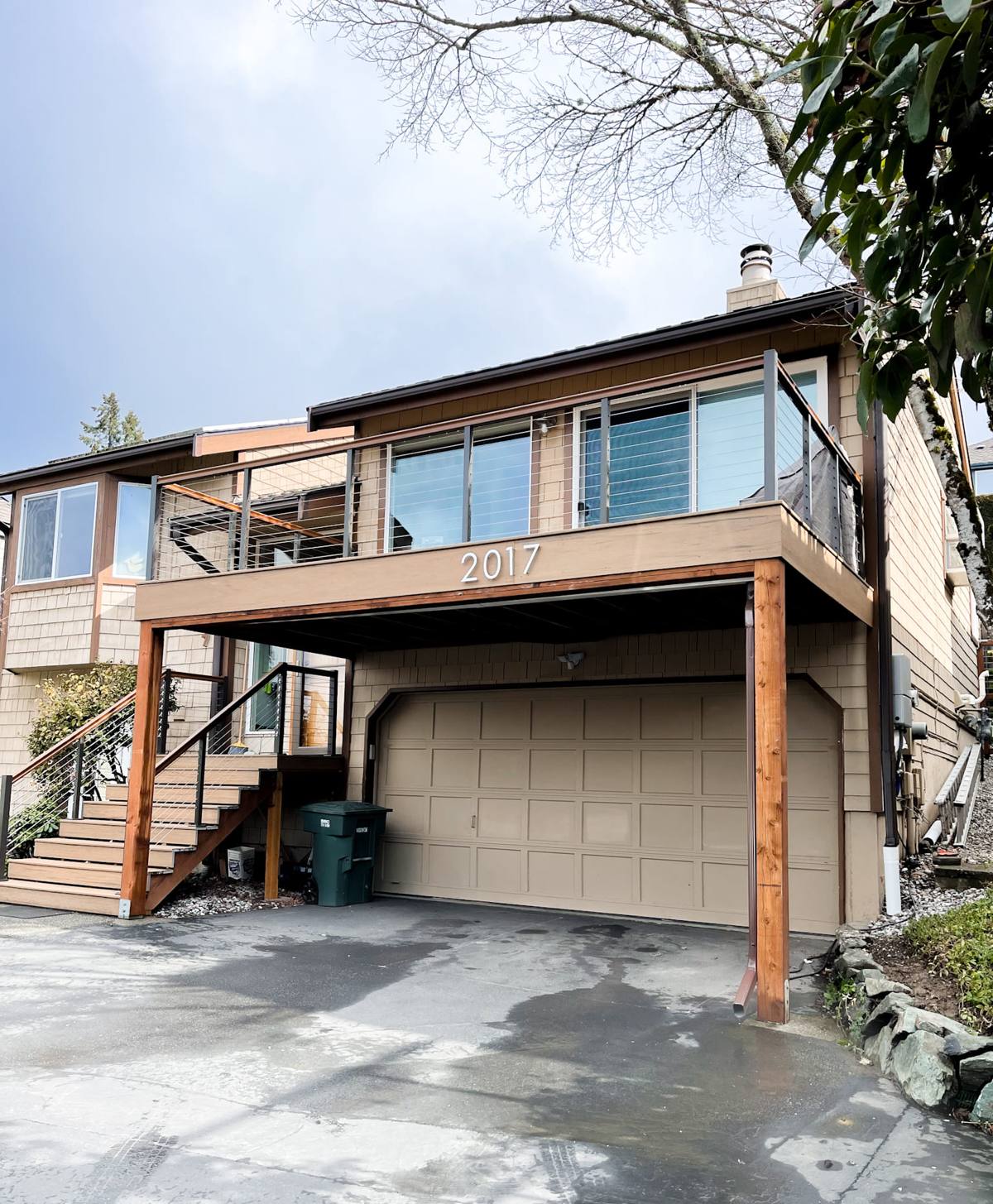
What Lutz Homeowners Are Really Building Against
A deck is one of the few home features that's exposed to every element at once, all year. In Lutz, that means designing and building around a few specific stresses rather than treating a deck like a generic outdoor platform.
Sun and UV Exposure
Tampa gets sun nearly year-round, and UV breaks down wood fibers and degrades the color and surface of composite decking over time. Untreated or poorly finished wood will gray, crack, and splinter faster here than it would in a milder climate. Decking material and finish choices matter more in this market than in most.
Wind-Driven Rain and Humidity
Afternoon storms are a fact of life in this part of Florida. Rain doesn't just fall straight down here — wind pushes it sideways into ledger connections, under railings, and into any gap where water can collect. Combine that with our humidity, and any spot where moisture gets trapped instead of draining and drying becomes a rot or mildew problem, especially on the underside of boards and around post bases.
Hurricane-Season Wind Loads
Hillsborough County's building code reflects the real risk of hurricane-force wind, and that code applies to decks, not just roofs and windows. Railings, guard posts, and the connection between the deck and the house (the ledger) all have to be engineered to resist uplift and lateral load, not just support foot traffic. This is one of the most common places we find older or DIY-built decks falling short.
Choosing the Right Decking Material for This Climate
There's no single "best" decking material — there's a best material for a given budget, maintenance appetite, and how much sun and moisture that particular deck will see. Here's how the common options actually perform in a Tampa-area climate like Lutz's.
| Material | Upfront Cost | Maintenance | How It Handles Our Climate |
|---|---|---|---|
| Pressure-treated pine | Lowest | Needs re-sealing every 1–2 years | Affordable and strong, but UV and humidity will gray and warp it faster without regular sealing |
| Composite decking | Mid to upper-mid | Occasional cleaning, no sealing | Resists rot and doesn't need finishing, but quality varies a lot by brand — cheaper composites can still fade or absorb heat unevenly |
| Capped composite / PVC | Highest | Low — cleaning only | Best resistance to UV fading, moisture, and staining; the trade-off is cost and a more plastic look/feel underfoot |
| Tropical hardwoods (e.g., ipe) | High | Regular oiling to maintain color | Naturally dense and rot-resistant, but requires disciplined upkeep or it will silver and check |
We don't push one product line on every job. We'll walk you through what a given material actually costs to own over ten years in this climate — not just what it costs to install — because that's usually where homeowners get surprised.
What a Correctly Built Deck Involves
The decking boards are the part everyone sees, but the parts that determine whether a deck lasts are mostly invisible once the job is done.
- Ledger board flashing: Where the deck attaches to the house needs proper flashing to keep wind-driven rain from working its way behind the siding or into the rim joist. This is one of the most common failure points on older Florida decks.
- Footings sized for local soil and wind loads: Post footings need to be dug and sized to actually hold against uplift, not just settle for gravity support. Undersized footings are a common shortcut on lower-quality builds.
- Corrosion-resistant fasteners and hardware: Our humidity and occasional salt air (even inland) will corrode standard hardware over a few years. Stainless steel or properly coated structural fasteners and connectors cost more up front and save you a rebuild later.
- Joist spacing matched to the decking material: Composite and PVC boards often require tighter joist spacing than wood — following the manufacturer's spec here isn't optional if you want the warranty to hold.
- Drainage and airflow underneath: Decks built low to the ground or against grade need attention to drainage so water doesn't pool under the structure and sit in our humidity.
- Guard and railing systems built to code: Height, baluster spacing, and load resistance are all governed by code, not just aesthetics.
Permits, Codes, and Inspections in Hillsborough County
Most custom deck builds in this area require a permit, and for good reason — the inspection process is what catches an undersized footing or a missing ledger flashing before it becomes a homeowner's problem five years down the road. Permitted work also matters when you sell the house; an unpermitted deck addition can become a negotiating issue or even a required teardown during a home inspection. We handle the permitting and inspection process as part of the job, which means dealing with Hillsborough County's requirements, scheduling inspections at the right build stages, and making sure the finished structure matches what was approved. Skipping this step to save time is one of the more expensive mistakes a homeowner can make in this market.
Our Process, Start to Finish
- On-site assessment: We look at your yard's grade, drainage, sun exposure, and how the deck will attach to the house before we talk materials or layout.
- Design and material selection: We go over layout options and walk through the real cost and maintenance trade-offs between wood, composite, and PVC for your specific use — entertaining, grilling, a pool deck, and so on.
- Written estimate: A clear scope of work and price before anything is signed, so there are no surprise change orders mid-build.
- Permitting: We pull the necessary permits and coordinate inspections through Hillsborough County.
- Build: Footings, framing, ledger flashing, decking, and railings, built to the structural and material specs the plan calls for.
- Final walkthrough: We review the finished deck with you, including basic care guidance for whatever material you chose.
Maintenance Checklist for a Lutz Deck
Whatever material you choose, a little seasonal attention goes a long way in this climate. We give every customer some version of this list.
- Sweep debris and standing water off the surface after storms rather than letting it sit
- Check railing posts and connections for looseness once or twice a year
- Inspect the ledger board area for any signs of water staining or soft wood
- Reseal or re-stain wood decking on the schedule the product actually needs — don't stretch it to save a season
- Clear leaves and organic debris from under and around the deck to reduce moisture retention
- Watch for rust bleed at fastener heads, which can signal the wrong hardware was used
- Trim back landscaping that keeps deck boards shaded and damp longer than the rest of the structure
Common Problems We Find on Older Decks in the Area
When we're called out to inspect or repair an existing deck in Lutz, a handful of issues show up repeatedly: standard (non-coated) fasteners that have rusted and stained the boards around them, ledger connections without proper flashing that have let water into the rim joist, railings that don't meet current guard-height or spacing code, and footings that were never sized for actual wind uplift. Most of these came from decks built quickly, without a permit, or by someone unfamiliar with what Florida's climate and code actually demand. They're fixable, but it's cheaper to build it right the first time than to rebuild it in eight years.
Why Hiring a Crew That Already Works in Lutz Matters
A contractor who works this area regularly already knows the drainage quirks of the local lots, has a working relationship with Hillsborough County's permitting and inspection process, and has seen firsthand how different decking materials hold up a few years after installation in this specific climate — not just in a manufacturer's brochure. That local track record shows up in fewer surprises during the build and a deck that's actually specified for the wind, sun, and moisture it's going to face, rather than a generic build that happens to be sitting in Florida.
If you're planning a new deck or need an honest look at an existing one, we're happy to come take a look. Use the form below to request a free, no-pressure estimate.