 Tampa Roofing
 New Roof Installation for Lutz Homes
Lutz sits in the northern reaches of Hillsborough County, a mix of older established neighborhoods and newer subdivisions spread across wooded, larger-lot properties. That tree canopy is part of what makes the area attractive, but it also means roofs here take a different kind of beating than roofs in denser, more open parts of Tampa — falling limbs, heavier leaf and debris buildup in valleys, and shaded sections that stay damp longer after a storm. Add in the same hurricane-force wind events, intense year-round UV, and wind-driven rain that hit the rest of the Tampa Bay area, and you've got a roof that's working hard from every direction. A new roof installed correctly for Lutz's specific conditions will hold up far better and last far longer than one installed to a generic spec.
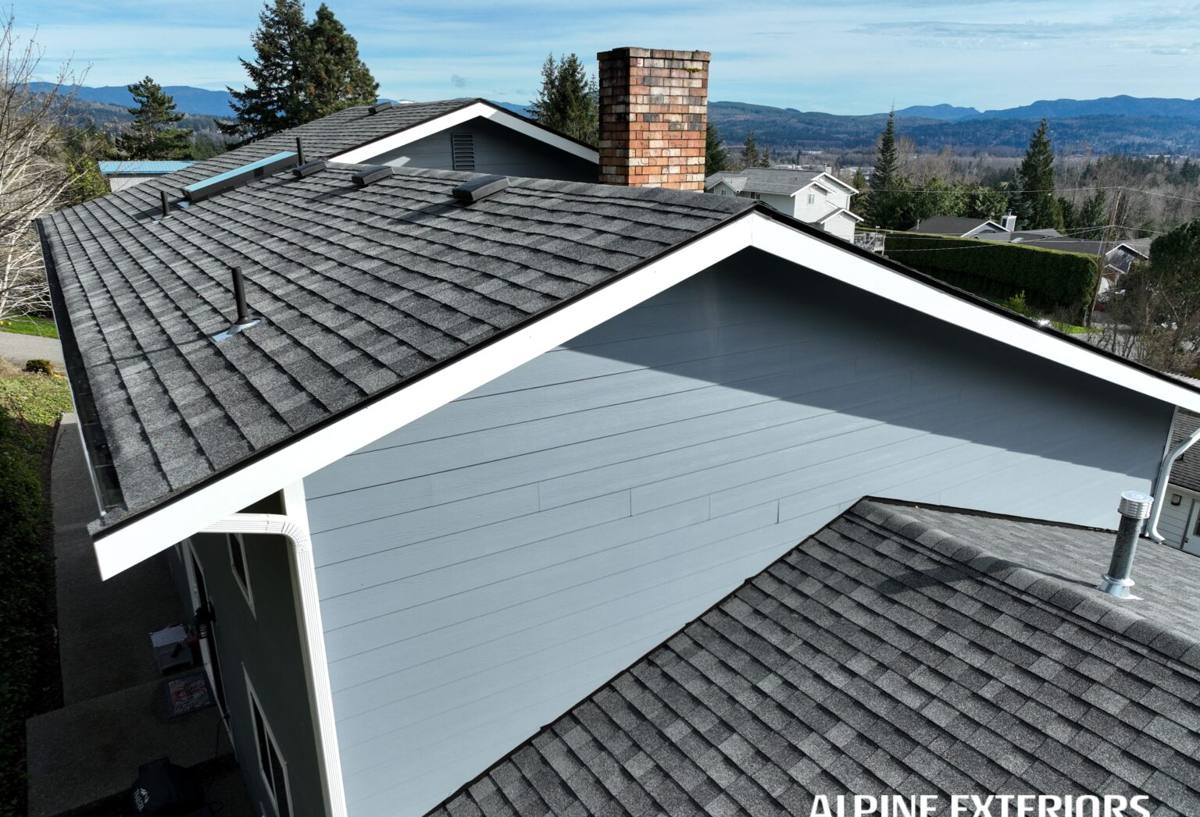
What Local Conditions Demand From a New Roof
Florida's Building Code sets a baseline for wind resistance, but the baseline isn't the same as the best fit for every property. A few things matter more here than in other markets:
- Wind resistance: Every fastening pattern, nail count, and underlayment choice affects how a roof performs when sustained hurricane-force gusts hit it — not just whether it survives, but whether it survives without losing shingles or tabs that turn into flying debris.
- UV durability: Central Florida sun is relentless nearly year-round. Materials with poor UV resistance degrade, crack, and lose granules faster here than in cooler climates, shortening the effective lifespan of an otherwise decent product.
- Wind-driven rain resistance: Tropical storms and hurricanes don't just drop rain — they push it sideways and upward under laps and flashing. Underlayment choice and flashing detail work matter as much as the shingle or metal panel itself.
- Corrosion resistance: Even well inland from the Gulf, salt-laden air moves through the region and slowly attacks unprotected fasteners and metal components over years. Using corrosion-resistant hardware isn't optional if you want the roof to still be tight in fifteen years.
- Debris tolerance: With Lutz's tree cover, a roof also needs to handle the reality of falling branches and accumulated organic debris in valleys and around penetrations without trapping moisture.
What a Correct Installation Actually Involves
A new roof is only as good as the layers underneath the visible surface. A properly done installation includes, at minimum:
Tear-Off and Deck Inspection
Old roofing material comes off completely so the deck can be inspected directly — not guessed at from the attic. Any rotted, delaminated, or water-damaged sheathing gets replaced before anything new goes down. Installing new roofing over a compromised deck is one of the most common shortcuts that leads to early failure.
Underlayment
A synthetic or self-adhering underlayment goes over the deck as the roof's secondary water barrier. In this climate, self-adhering (peel-and-stick) membrane at eaves, valleys, and other vulnerable areas is worth the extra cost — it seals around nail penetrations and resists wind-driven rain intrusion far better than felt alone.
Flashing
New flashing at chimneys, walls, skylights, and any roof-to-wall transitions. Reusing old flashing to save money is a false economy; flashing failures are one of the top causes of roof leaks, and they're cheap to do right the first time compared to chasing a leak later.
Ventilation
Proper intake and exhaust ventilation keeps attic temperatures and moisture in check, which protects the deck, extends shingle life, and helps with energy costs. Ventilation gets overlooked more often than any other part of a roofing job.
Field Installation
Shingles, tile, or metal panels installed to the fastening pattern and nail count specified for the wind rating you're paying for — not a generic "close enough" pattern. This is where corners get cut on cheap jobs, and it's invisible until a storm finds it.
Roofing Material Options
There's no single "best" material for every Lutz home — the right choice depends on your roof structure, budget, and how long you plan to stay in the house. Here's an honest comparison:
| Material | Typical Lifespan | Wind Performance | Maintenance | Relative Cost |
|---|---|---|---|---|
| Architectural asphalt shingle | 20–30 years | Good, rated up to high-wind ratings with proper install | Low | $ |
| Standing seam metal | 40–50+ years | Excellent | Very low | $$$ |
| Concrete or clay tile | 40–50+ years | Good when properly fastened; individual tiles can crack from debris impact | Moderate (occasional tile replacement) | $$$ |
Asphalt shingle remains the most common choice for good reason — it balances upfront cost, appearance, and performance well when installed correctly. Metal costs more up front but spreads that cost over a much longer service life and handles wind and UV exposure about as well as any residential material available. Tile is a strong option architecturally and performs well structurally, but individual tiles can be cracked by falling branches — a real consideration on wooded Lutz lots — and repairs require matching material that may need to be sourced.
Our Installation Process
- Inspection and estimate: We look at your current roof, deck condition (where visible), and any problem areas, then give you a written estimate with material options.
- Material selection: We walk through the tradeoffs in plain terms so you pick based on your budget and how long you're planning to stay, not sales pressure.
- Permitting: We pull the required Hillsborough County permit before work starts. This isn't optional paperwork — it triggers the inspections that confirm the job was done to code.
- Tear-off and deck repair: Old material removed, deck inspected and repaired as needed.
- Underlayment and flashing: Installed per manufacturer spec and local wind requirements.
- Field installation: Shingles, tile, or metal installed to the correct fastening pattern for your wind rating.
- Final inspection and cleanup: County inspection where required, plus a full site cleanup including magnetic nail sweep.
Permits, Codes, and Wind Mitigation
Lutz falls under standard Florida Building Code wind provisions administered through Hillsborough County — it is not in the state's High-Velocity Hurricane Zone, which applies only to Miami-Dade and Broward Counties. That doesn't mean the standards are light; Hillsborough's wind requirements are still substantial given the county's hurricane exposure, and a permitted, inspected installation is what makes your roof compliant and your paperwork clean if you ever need it.
A new roof also qualifies you for a fresh wind mitigation inspection, which can lower your homeowner's insurance premium by documenting features like the roof deck attachment method, roof-to-wall connections, and secondary water barrier. It's worth doing right after installation while everything is new and easy to verify.
Signs Your Roof Needs Replacing, Not Just Repair
- Shingles that are curling, cupping, or missing granules across large areas rather than one isolated spot
- Multiple past repairs in different areas rather than one contained problem
- Visible sagging anywhere on the roof plane
- Daylight visible through the attic decking
- Roof is nearing or past the expected lifespan of its material
- Repeated leaks after storms even after prior patch work
- Rising energy bills tied to poor attic ventilation or insulation gaps at the roofline
If you're seeing one or two of these, a repair might still make sense. If you're seeing several at once, a new roof is usually the more economical path — repeated patch jobs on an aging roof add up fast without solving the underlying problem.
Cost Factors to Expect
| Factor | Why It Matters |
|---|---|
| Roof size and pitch | More material, more labor, and steeper pitches require more safety setup and time |
| Material choice | Asphalt, metal, and tile carry very different material and installation costs |
| Deck condition | Rotted or damaged sheathing found during tear-off adds repair cost not visible in an initial estimate |
| Number of penetrations | Chimneys, skylights, vents, and roof valleys each require additional flashing work |
| Tear-off layers | Removing multiple existing layers of roofing takes more labor than a single-layer tear-off |
We don't quote a number until we've actually looked at your roof — anyone who gives you a firm price over the phone without an inspection is guessing, and guesses have a way of turning into change orders later.
Why a Crew That Already Works Lutz Matters
A contractor who works this area regularly already understands the practical realities specific to it: the tree canopy that means debris cleanup and branch-impact damage are more common here than in open subdivisions, how Hillsborough County's permitting and inspection process actually runs, and what wind and rain exposure this part of the county sees compared to closer-to-the-bay neighborhoods. That familiarity shows up in fewer surprises during the job and a faster permitting and inspection process — not guesswork on unfamiliar territory.
If your Lutz home needs a new roof, we're happy to take a look and give you a straightforward, no-pressure estimate — just fill out the form below to get started.