 Tampa Roofing
 Why Lutz Roofs Wear Out Faster Than the Warranty Suggests
Lutz sits in that stretch of northern Hillsborough County where lake-country humidity meets everything the Gulf throws inland. Homeowners here deal with a combination most manufacturers never fully account for in their published lifespans: sustained summer UV exposure that bakes asphalt shingles from above, hurricane-season wind gusts that test every nail and fastener, and wind-driven rain that finds its way into any gap in flashing or underlayment. Add in the humid, moisture-heavy air common across the Tampa Bay region, and even a roof installed correctly ten or fifteen years ago may already be past its practical service life, even if the shingles still look fine from the driveway.
A roof replacement in this climate isn't just swapping old shingles for new ones. It's an opportunity to correct whatever weaknesses let the last roof age prematurely — poor attic ventilation, undersized drip edge, felt paper instead of synthetic underlayment, nailing patterns that don't meet current wind requirements. Getting those details right matters more here than in most parts of the country.
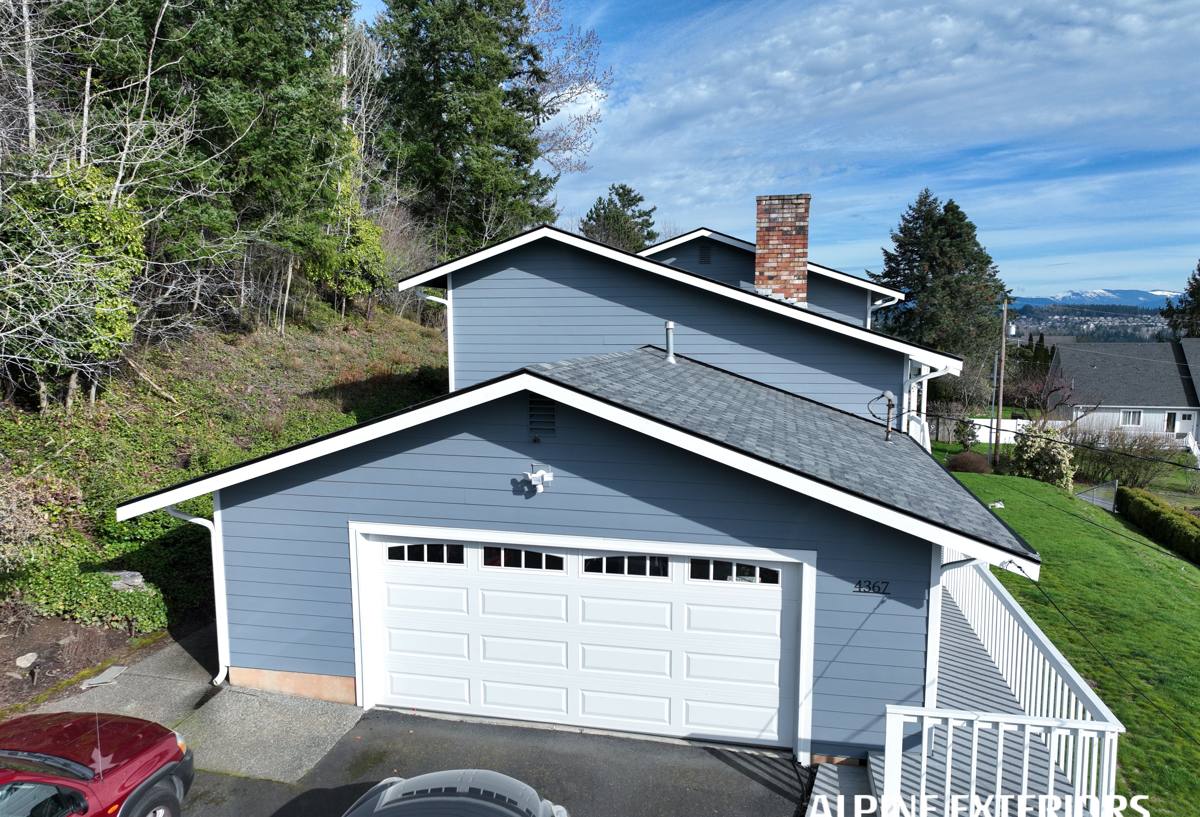
Signs a Lutz Home Needs Replacement, Not Another Repair
Roof repairs make sense when the damage is isolated and the roof underneath is still sound. Replacement becomes the honest recommendation when the underlying materials — not just the surface — have reached the end of their useful life. Common indicators we look for on inspections in this area include:
- Granule loss heavy enough to expose the asphalt mat, especially on south- and west-facing slopes that take the brunt of the afternoon sun
- Shingles that have gone brittle or cracked from UV exposure, so they snap rather than flex when lifted
- Repeated leaks in different spots after storms, suggesting the underlayment has failed broadly rather than at one weak point
- Soft decking or visible sagging when walked, a sign moisture has already compromised the wood below
- A roof approaching or past 18-20 years for architectural shingles, or showing wind damage after a named storm even if it "looks okay" from the ground
- Rising energy bills tied to poor attic ventilation, which a tear-off is the right time to correct
If a homeowner is on the fence, we'd rather walk the roof and give a straight answer than sell a replacement that isn't needed yet — or let a repair-only roof limp along until it fails during a storm.
What Insurance Adjusters Look For
After hurricane or hail events, insurance carriers in Florida scrutinize roof claims closely. Documentation matters: photos of storm-created damage versus pre-existing wear, a clear timeline, and an inspection that distinguishes cosmetic granule loss from actual functional damage. A contractor familiar with how Hillsborough County claims typically get reviewed can save a homeowner weeks of back-and-forth.
Material Options for This Climate
There's no single "best" roofing material for every Lutz home — it depends on the roof's slope, the home's structure, budget, and how long the homeowner plans to stay in the house. Here's how the common options compare for wind resistance, heat performance, and upkeep in this part of Florida:
| Material | Wind Performance | Heat/UV Behavior | Typical Lifespan Here | Maintenance Burden |
|---|---|---|---|---|
| Architectural asphalt shingle | Good, when rated and installed per current wind codes | Absorbs heat; lighter colors help | 18-25 years | Low to moderate |
| Standing seam metal | Excellent; among the strongest against uplift | Reflects heat well, especially with coated finishes | 40-50+ years | Low |
| Concrete or clay tile | Very good when properly fastened; heavy, so structure must support it | Excellent thermal mass, ages well in UV | 40-50+ years | Moderate — underlayment beneath tile fails before the tile does |
| 3-tab asphalt shingle | Weakest of the common options | Poor UV durability compared to architectural shingles | 12-18 years | Moderate to high |
We generally steer homeowners away from 3-tab shingles for full replacements in this area — not because they're a bad product outright, but because the wind rating and UV durability gap compared to architectural shingles is significant enough that the modest upfront savings rarely pay off over the life of the roof.
What a Correct Roof Replacement Actually Involves
The shingles or tiles are the part everyone sees, but they're only as good as what's underneath. A replacement done right on a Lutz home includes:
Full Tear-Off and Deck Inspection
Layering new shingles over old is not something we do — it traps moisture, voids most manufacturer warranties, and hides deck damage that needs to be addressed. A full tear-off lets us inspect the plywood or OSB decking underneath and replace any sections that have gone soft or delaminated from past leaks.
Underlayment Built for Wind-Driven Rain
Synthetic underlayment, properly lapped and fastened, handles wind-driven rain far better than old-style felt paper. In hurricane-prone areas like ours, this layer is what keeps water out if wind ever lifts or damages the outer roofing material during a storm.
Flashing at Every Penetration
Chimneys, vents, skylights, and roof-to-wall transitions are where most leaks actually start — not in the open field of shingles. New step flashing, counter-flashing, and pipe boots at every penetration are non-negotiable on a correct install.
Ventilation That Matches the Attic
Proper intake and exhaust ventilation keeps attic temperatures and moisture in check, which extends shingle life and helps with cooling costs. A lot of older Lutz homes were under-ventilated when originally built; a replacement is the natural time to fix that.
Wind-Rated Fastening
Nailing patterns and fastener counts that meet current Florida Building Code wind requirements for our zone — not the minimum that was standard decades ago.
Permits, Code, and Wind Mitigation
Hillsborough County requires permits for roof replacement, and inspections confirm the work meets current Florida Building Code, including high-velocity wind provisions that apply throughout the Tampa Bay area. A code-compliant install isn't just a formality — it directly affects how the roof performs in the next major storm, and it's typically required to keep a homeowners insurance policy's wind mitigation credits intact. After the job, a wind mitigation inspection can often be scheduled to document the upgrades, which frequently translates into lower insurance premiums.
How We Approach a Lutz Roof Replacement
- Inspection and honest assessment — walking the roof, checking the attic, and being clear about whether replacement is actually necessary or a repair will do
- Written estimate — material options, scope of work, and pricing spelled out, no vague allowances
- Permitting — pulled through Hillsborough County before work begins
- Tear-off and deck repair — removing the old roof and replacing any compromised decking
- Underlayment, flashing, and ventilation — the parts that determine how the roof actually performs
- Installation — following manufacturer specs and current wind code fastening requirements
- Cleanup and final inspection — magnetic nail sweep, debris removal, and county inspection sign-off
Why It Matters That a Crew Already Works in Lutz
A contractor who regularly works Lutz and the surrounding Hillsborough County communities already knows the county's permitting process, the inspectors, and the way local HOAs and building requirements typically play out — which keeps a project from stalling on paperwork. Just as important, a local crew has a reputation to protect in the neighborhood, not just a one-time job to close out. If a question comes up two years after installation, a contractor still working in the area is one a homeowner can actually reach.
Cost Factors Homeowners Should Understand
Every roof is different, so exact numbers depend on the specific home, but the factors that move the price are consistent:
| Factor | Why It Affects Cost |
|---|---|
| Roof size and pitch | Steeper roofs take longer to work and require more safety measures |
| Number of layers to remove | Multiple existing layers mean more tear-off labor and disposal |
| Decking condition | Rotted or delaminated plywood needs replacement before new roofing goes on |
| Material choice | Metal and tile cost more upfront than asphalt but last significantly longer |
| Number of penetrations | More chimneys, skylights, and vents mean more flashing work |
| Ventilation upgrades | Adding or correcting intake/exhaust vents adds labor but improves longevity |
Generally, a full asphalt shingle replacement on a typical single-family home in this area runs from the high single-digit thousands into the low-to-mid five figures, with metal and tile roofs costing more upfront in exchange for a much longer service life. A detailed, written estimate after an on-site inspection is the only reliable way to know actual cost.
Choosing a Contractor: What to Verify Before Signing
- Active Florida roofing license and general liability/workers' comp insurance, confirmed directly rather than taken on faith
- A written estimate that itemizes materials, underlayment type, flashing scope, and disposal — not just a lump sum
- Willingness to pull the permit themselves, rather than asking the homeowner to do it
- A physical presence or established track record in the Tampa Bay area, not just a storm-chasing crew passing through after a hurricane
- Manufacturer certification if a specific brand's enhanced warranty matters to the homeowner
- A clear explanation of why they recommend one material or approach over another, in plain terms
If a roof on your Lutz property is showing its age or storm wear, we're happy to take a look and give you a straight, no-pressure assessment. Use the form below to request a free estimate — there's no obligation, and you'll get a clear answer about whether replacement is actually the right move.