 Tampa Roofing
 Siding Replacement Built for How Lutz Actually Weathers
Lutz sits in that in-between zone north of Tampa — far enough from the bay that salt air isn't the daily concern it is for waterfront neighborhoods, but close enough to the coast that every named storm still brings hurricane-force gusts, sideways rain, and long stretches of standing humidity. What Lutz homes deal with year-round is different from what a beachfront property faces, and it's different from what a strictly inland Central Florida home faces too. That combination — intense UV exposure nearly every month of the year, wind-driven rain that finds its way behind poorly lapped siding, and humidity that never really lets a wall assembly dry out completely — is exactly the profile that wears out the wrong siding material fast and exposes sloppy installation even faster.
We install James Hardie fiber cement siding exclusively, and we work in Lutz regularly enough to know what actually shows up as a problem here: siding that cupped or buckled after a few Florida summers, seams that opened up and let wind-driven rain behind the wall, and paint or coatings that chalked out years before they should have. A correct siding replacement isn't just swapping old boards for new ones — it's addressing the reasons the old siding failed in the first place.
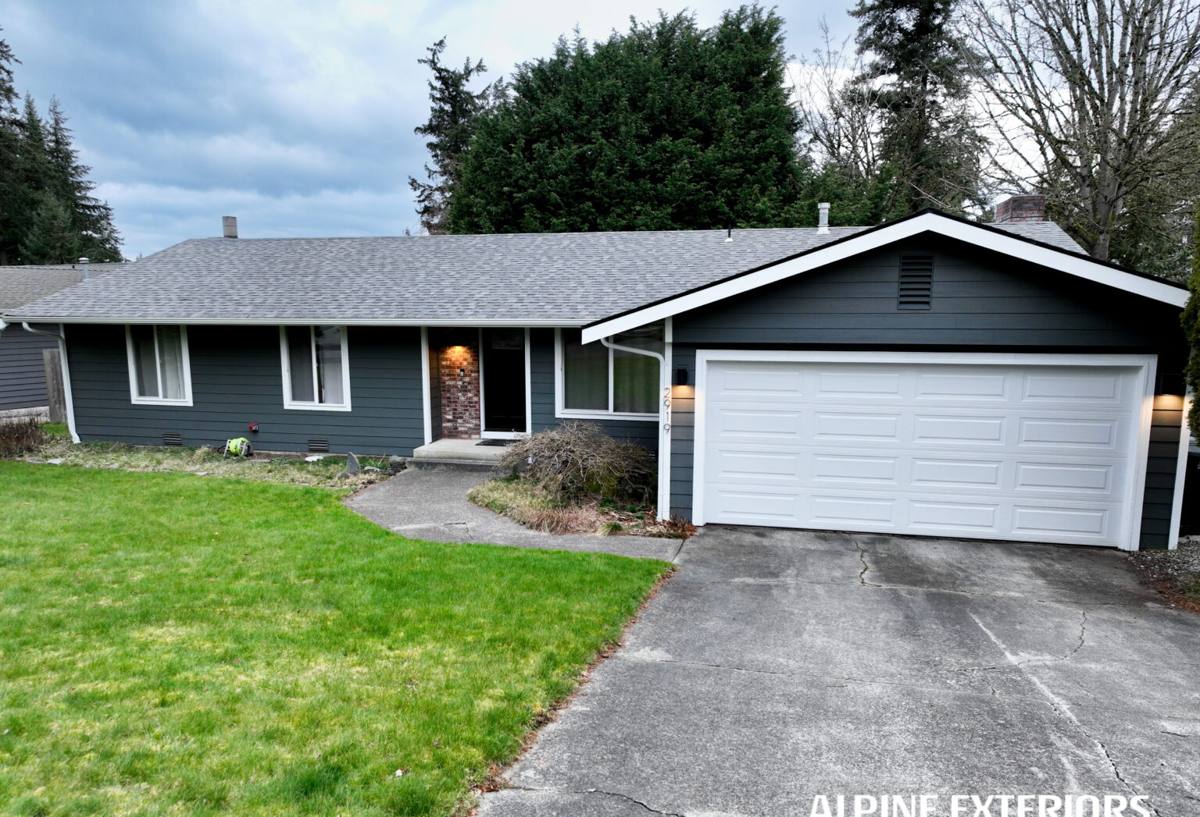
What Lutz's Climate Does to Siding Over Time
Wind and Storm Exposure
Lutz isn't a coastal community, but it's still squarely inside the Tampa Bay region's hurricane and tropical storm path. Sustained straight-line winds and gusts during storm season put real pressure on siding fastening patterns, corner details, and the way panels are lapped. Siding that's been face-nailed incorrectly, under-fastened, or installed with the wrong nail pattern for the exposure is far more likely to lift, crack, or blow off in a wind event than siding installed to the manufacturer's actual specification.
UV and Heat
Florida sun is relentless on painted surfaces. Standard field-applied paint jobs — on any siding material — tend to fade unevenly and start peeling well before a homeowner expects a repaint. Factory-applied finishes that are engineered to handle UV exposure hold color and integrity far longer than anything brushed or sprayed on-site after installation.
Humidity and Moisture Cycling
Tampa Bay's humidity means siding rarely gets a long, dry stretch to fully release moisture the way it might in a drier climate. Materials that absorb and swell with moisture, then dry and shrink, go through that cycle constantly here. Over years, that repeated swelling and shrinking is what causes buckling, warping, and open seams — problems that show up as cosmetic issues first and moisture intrusion issues later.
Wind-Driven Rain
During a tropical system, rain in this area doesn't just fall — it's pushed sideways into walls. Siding, flashing, and house wrap details that would be fine in a light rain can fail under that kind of pressure if they weren't installed with wind-driven rain specifically in mind.
Why We Install James Hardie for Lutz Homes
We standardized on James Hardie fiber cement because it's engineered around exactly these conditions. It's non-combustible, which matters in a state where lightning-sparked brush fires are a real risk. It's dimensionally stable, so it doesn't swell and shrink with humidity the way wood-based or wood-fiber products can. James Hardie's HZ5 product line is specifically engineered for hot, humid climates like ours, and the ColorPlus factory finish is baked on and warranted against fading — a real advantage over field-applied paint in a market where UV exposure is constant.
We don't install LP SmartSide, vinyl, Cemplank, Allura, or unfinished wood siding, and we're upfront about why: those products each have real strengths, but none of them match fiber cement's combination of moisture stability, fire resistance, and factory-finish durability in this specific climate. When we walk a Lutz property, we're not selling whatever's cheapest to install — we're recommending the product we'd put on our own homes here.
What a Correct Siding Replacement Involves
Siding replacement done right is mostly about what happens before the new siding goes up. A rushed tear-off that skips inspection of what's underneath is how moisture damage gets sealed behind new siding instead of fixed.
- Full tear-off of the existing siding down to the sheathing, not a layer-over-layer install.
- Sheathing inspection for water damage, soft spots, or rot that needs to be cut out and replaced before anything new goes on.
- House wrap and flashing check around every window, door, and penetration — this is where wind-driven rain gets in if it's not detailed correctly.
- Installation to manufacturer spec, including correct fastener type, spacing, and clearance from grade and rooflines — not just "close enough."
- Trim, corners, and caulking finished to shed water rather than trap it.
- Final walkthrough so the homeowner knows exactly what was done and what maintenance, if any, is expected going forward.
Signs Lutz Homeowners Should Watch For
- Visible buckling, warping, or wavy panels, especially on walls that get the most afternoon sun
- Soft or spongy spots when you press on the siding near the bottom edge or around windows
- Paint that's peeling, chalking, or fading unevenly across a wall
- Staining on soffits or fascia below a siding seam, which often points to water getting behind the panel above
- Rising cooling bills without an obvious cause, which can point to moisture-compromised insulation behind failing siding
- Visible gaps opening up at seams, corners, or trim after a windy season
Any one of these on its own might be minor. Several together usually mean the siding system as a whole has reached the point where patching isn't the honest answer anymore.
What Drives the Cost of a Siding Replacement
Every Lutz property is different, and we won't quote a number without walking the property, but these are the factors that actually move the price:
| Factor | Why It Matters |
|---|---|
| Home size and number of stories | More square footage and taller walls mean more material, labor, and equipment (lifts, scaffolding) |
| Condition of existing sheathing | Rot or water damage found during tear-off requires repair before new siding can go on correctly |
| Trim and architectural detail | Homes with more corners, dormers, or decorative trim take more time to fit and finish properly |
| Existing siding type | Some materials are more labor-intensive to remove and dispose of than others |
| Product line and color | James Hardie's HZ5 boards and ColorPlus finishes vary by profile and color selection |
| Access and lot conditions | Tight lots, fencing, or landscaping close to the house can add setup and protection time |
Our Process, Start to Finish
Inspection and Estimate
We walk the exterior with you, point out what we're seeing — sun exposure patterns, moisture risk areas, existing damage — and give you a straightforward estimate based on the actual condition of the home, not a generic per-square-foot guess.
Tear-Off and Sheathing Assessment
Old siding comes off completely so we can see the sheathing underneath. If there's rot or water damage, we flag it before moving forward rather than covering it up.
Weather Barrier and Flashing
We check and correct house wrap and flashing at every window, door, and penetration point — the details that determine whether wind-driven rain stays out or gets in.
Installation
James Hardie panels or lap siding go up according to manufacturer specifications for fastening, clearance, and lapping — the details that determine whether the siding performs through a Florida hurricane season or just looks good until the first one.
Trim, Caulking, and Cleanup
Corners and trim are finished to shed water, caulking is applied where it belongs (and not as a substitute for correct flashing), and the site is cleaned up before we call the job done.
Why a Crew That Already Works Lutz Matters
Lutz sits near the Hillsborough-Pasco county line, and depending on exactly where a property falls, permitting requirements and inspection processes can differ. A crew that regularly works this specific area already knows which jurisdiction a given address falls under and what that inspector expects to see — that's not something you want your contractor figuring out for the first time on your job.
Beyond permitting, a crew that's done siding replacements across Lutz has already seen how homes in this specific corridor tend to age — which orientations take the worst sun, which older subdivisions tend to have particular sheathing or moisture issues, and what actually holds up here versus what looks fine on a spec sheet. That local pattern recognition is worth more than a generic sales pitch.
What to Look For When Hiring a Siding Contractor in Lutz
- Proper licensing and insurance, verifiable before work starts
- Manufacturer training or certification specific to the siding product being installed
- A written scope that includes sheathing inspection, not just "install new siding"
- Clear answers about fastening pattern and flashing details, not vague reassurance
- A track record of jobs in this specific area, not just the broader Tampa region
- A warranty that's explained plainly, including what's covered by the manufacturer versus the installer
A Straightforward Recommendation
We install James Hardie fiber cement because, after years of working on homes across the Tampa Bay area, it's the product we trust to hold up to the specific combination of UV, humidity, and wind Lutz homes deal with every year. That's not a sales position — it's why we don't offer alternatives we don't believe in for this climate.
If your siding is showing its age, or you just want an honest read on whether repair or full replacement makes sense for your home, we're happy to take a look. Fill out the form below for a free, no-pressure estimate — we'll walk the property, tell you what we see, and give you a straight answer.