 Tampa Roofing
 Metal Roofing in Seminole Heights: What Local Homes Actually Need
Seminole Heights is one of Tampa's older, established neighborhoods, with a mix of early-1900s bungalows, mid-century ranches, and newer infill construction sitting on tighter, tree-lined lots. That housing stock changes what a roof has to deal with. Mature oak canopy means more debris, more shade-driven moisture retention, and roof lines that are harder to access than a typical suburban subdivision. Add in everything that comes with being in Hillsborough County, on the west coast of Florida, near Tampa Bay — hurricane-force wind events, intense year-round UV, wind-driven rain, and salt-laden air moving in off the water — and a roof here is working harder than the same roof would be fifty miles inland.
Metal roofing has become a popular answer to that combination for a reason: done correctly, it holds up to wind uplift better than most other roofing types, sheds UV without the granule loss that shortens asphalt shingle life, and doesn't absorb water the way wood or aging composite products can. But "metal roofing" is not one product or one installation method, and in a neighborhood with older framing, mixed roof pitches, and a lot of tree cover, getting the details right matters more than it does on a cookie-cutter new-build roof.
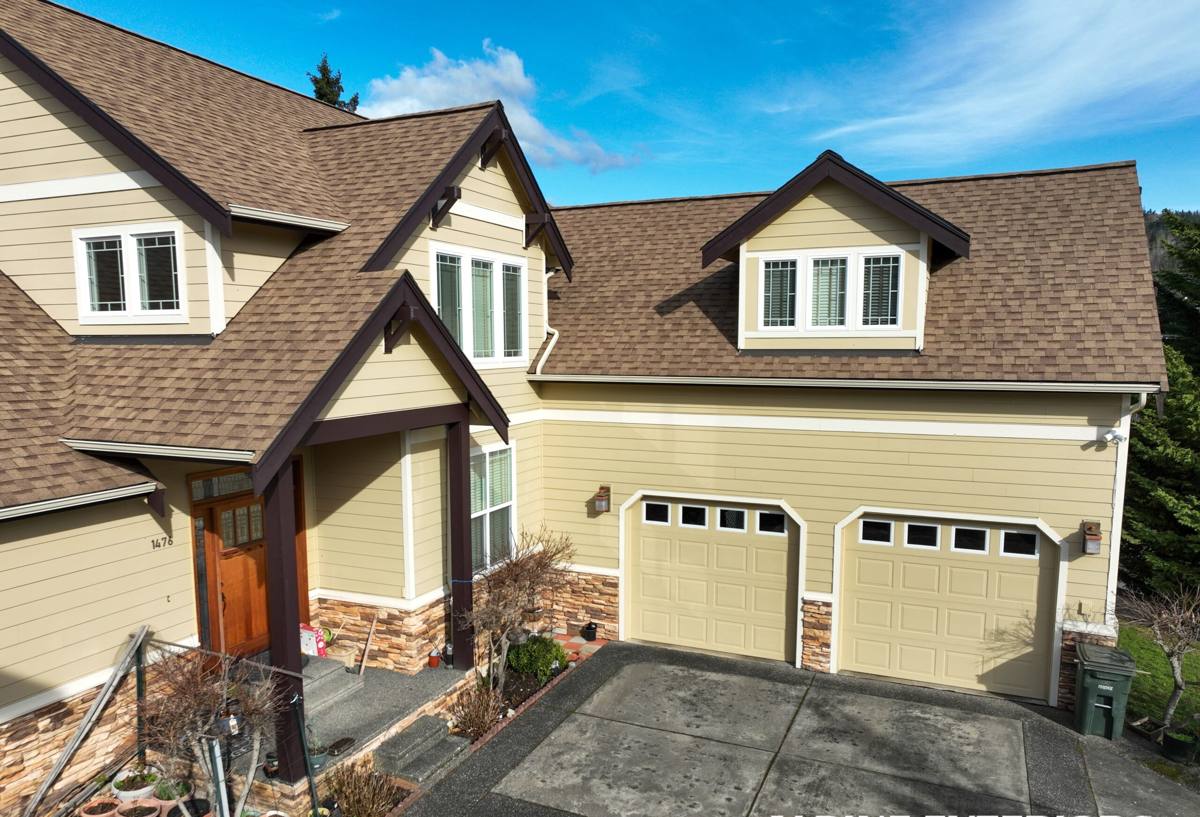
Why Seminole Heights' Housing Stock Changes the Job
Older framing and decking
A lot of homes in this neighborhood were built well before current wind-load codes existed. That doesn't mean the roof structure is unsound, but it does mean an installer needs to actually inspect the decking and framing rather than assume it matches what's typical on a home built in the last twenty years. Soft or delaminated decking, undersized rafters, or old fastening patterns all affect how a metal system should be attached, and in some cases mean deck repair or replacement is part of an honest metal roofing quote — not an upsell.
Tree canopy and debris load
Heavy oak cover is part of what makes Seminole Heights Seminole Heights, but it also means more leaf litter, more organic debris in valleys, and more shaded areas that stay damp longer after a storm. Metal roofing handles this better than shingle in one respect — it doesn't hold moisture against organic material the way a shingle mat can — but panel seams, valleys, and any exposed fastener locations still need to be detailed so debris doesn't build up and hold water against a seam over time.
Mixed roof pitches and additions
Many of these homes have been added onto over the decades, which often means two or three roof pitches meeting at odd angles, dormers, or a rear addition with a lower slope than the original structure. Low-slope sections need different underlayment and seam strategy than a standard pitch, and a crew that treats the whole roof as one uniform surface will get those transitions wrong.
What Correct Metal Roofing Installation Involves
A metal roof is only as good as the system underneath it. The panels get the attention, but the underlayment, fastening, and flashing details are what actually determine whether the roof performs in a hurricane and stays watertight for its full service life.
- Deck inspection and repair of any soft, rotted, or delaminated sheathing before anything goes down
- A self-adhering, high-temperature underlayment rated for the Florida climate — not a basic felt product
- Fastening pattern and clip spacing engineered to the home's actual wind exposure, not a generic minimum
- Properly lapped and sealed panel seams, with attention to valleys, hips, and ridge lines
- Correct flashing at every penetration — vents, chimneys, skylights — since these are the most common source of leaks on any roof, metal included
- Drip edge and eave detailing that manages wind-driven rain instead of letting it get pushed back under the panel
- Compatible fasteners and flashing metals so galvanic corrosion isn't introduced near the coast
Skipping or rushing any one of these doesn't show up on day one. It shows up two or three years later as a leak at a penetration, a loosened panel after a wind event, or premature corrosion where two incompatible metals were left in contact. That's the gap between a roof that looks like a metal roof and one that performs like one.
Panel Types: What We Recommend and Why
| System | Best fit | Trade-offs |
|---|---|---|
| Standing seam | Most Seminole Heights homes, especially where wind performance and clean lines both matter | Higher upfront cost; hidden fasteners mean fewer long-term maintenance points |
| Exposed-fastener panel | Budget-conscious projects, secondary structures, additions | Lower cost, but exposed fasteners require periodic inspection and eventual re-sealing |
| Stone-coated steel | Homeowners who want a shingle or tile look with metal's wind and longevity advantages | Heavier system; needs a structure that can support the added weight |
We generally steer Seminole Heights homeowners toward standing seam when budget allows, specifically because of the hidden-fastener design. Exposed-fastener panels aren't a bad product, but every exposed fastener is a future maintenance point and a future potential leak path, and that's a meaningfully bigger factor on a coastal, storm-exposed roof than it would be somewhere with a milder climate.
Coastal Air, UV, and Long-Term Maintenance
Salt air moving in from Tampa Bay accelerates corrosion on unprotected or poorly matched metals, which is why panel gauge, coating type, and fastener compatibility matter more here than they would for the same product installed further inland. A quality Galvalume or aluminum-based panel with a proper factory finish resists this well, but a roof with mismatched flashing metal or the wrong fastener coating can start showing rust streaks or pitting years before it should.
Year-round UV exposure is the other constant. It's what degrades cheap paint finishes and causes fading or chalking on lower-grade panels. A properly coated metal panel handles UV far better than asphalt shingle granules, but "properly coated" is doing a lot of work in that sentence — it's worth knowing what finish and warranty is actually on the panel you're buying, not just that it's "metal."
What we recommend homeowners keep an eye on
- Clear debris from valleys and low-slope transitions after major storms, especially with heavy tree cover nearby
- Have penetration flashing (vents, chimneys, skylights) visually checked every couple of years
- Watch for any rust streaking near fasteners or flashing, which usually signals a compatibility or coating issue worth addressing early
- Keep gutters clear so water isn't backing up against the eave edge during heavy rain events
Hurricane Wind Performance: Why the Details Decide the Outcome
Hillsborough County sits in an area where hurricane-force wind events are a real planning consideration, not a hypothetical. Metal roofing's wind resistance advantage over shingle comes down to the interlocking or hidden-fastener panel design and how well the whole system is anchored to the deck — not just the fact that it's metal. A metal roof installed with the wrong clip spacing, inadequate fastening into weak or deteriorated decking, or mismatched underlayment can still fail in high wind, while a well-installed system performs the way the product is designed to.
This is really the core argument for hiring carefully rather than shopping on price alone: two roofs can use the identical panel product and perform completely differently depending on the deck condition underneath, the fastening pattern used, and how the edges, valleys, and penetrations were detailed. The panel is maybe half the story.
Our Process for Seminole Heights Roofs
- On-site inspection — we walk the roof, check the decking and framing condition, note pitch transitions, tree exposure, and existing flashing, and take real measurements rather than estimating from the street
- Honest scope and written estimate — including whether deck repair is needed, what panel system fits the home and budget, and a clear breakdown of what's included
- Permitting — handled through Hillsborough County / City of Tampa as applicable, so the job is inspected and documented correctly
- Installation — deck prep, underlayment, panel installation, and flashing detailing done in the sequence that actually protects the home, not the sequence that finishes fastest
- Final walkthrough — we go over the finished roof with you, confirm everything's sealed and detailed correctly, and answer questions before we consider the job done
Why a Crew That Already Works This Neighborhood Matters
Roofing crews that work Seminole Heights regularly already understand the local permitting process through Hillsborough County and the City of Tampa, know what older roof decking in this area tends to look like once it's opened up, and are used to working around mature trees, tighter lots, and multi-pitch roof lines instead of treating every job like a fresh subdivision build. That familiarity shows up in fewer surprises mid-project and a scope that's accurate from the first estimate rather than growing once the crew is already on the roof.
It also matters for accountability. A contractor working steadily in the same neighborhood has a reputation to maintain with the people who live there — that's a different incentive structure than a crew that rolls through once and moves on.
Cost Factors to Understand Before You Get Quotes
| Factor | Why it affects price |
|---|---|
| Panel system chosen | Standing seam runs higher than exposed-fastener panel; stone-coated steel is priced separately due to weight and installation labor |
| Deck condition | Rot or delamination found during tear-off adds repair cost, but skipping it isn't a real option on a wind-exposed roof |
| Roof complexity | Multiple pitches, dormers, and additions require more flashing and labor than a simple gable roof |
| Access | Tight lots and heavy tree cover, common in this neighborhood, can affect staging and labor time |
| Current roof removal | Tear-off of an existing shingle or old metal roof adds cost versus a bare-deck new build |
Be cautious of any quote that doesn't distinguish between these factors — a number that doesn't account for your specific deck condition and roof complexity isn't really an estimate for your house.
If you're weighing metal roofing for a home in Seminole Heights, we're glad to come take an honest look and walk you through what your specific roof needs. There's no pressure and no obligation — just a straightforward inspection and a written estimate you can use to make the decision at your own pace.