 Tampa Roofing
 Metal Roofing Built for Ybor City's Climate
Ybor City sits close enough to Tampa Bay that salt-laden air, intense year-round UV, and hurricane-season wind and rain are constant factors in how a roof performs, not occasional stress tests. A roof that looks fine going up can fail early here if the materials and installation details weren't chosen with those conditions in mind. Metal roofing, done correctly, holds up well against all three — but "done correctly" is doing a lot of work in that sentence, and it's where a lot of installations in Hillsborough County fall short.
This page covers what metal roofing specifically needs to deliver for homes in Ybor City, what a proper installation actually involves, and how our process works from first call to final inspection.
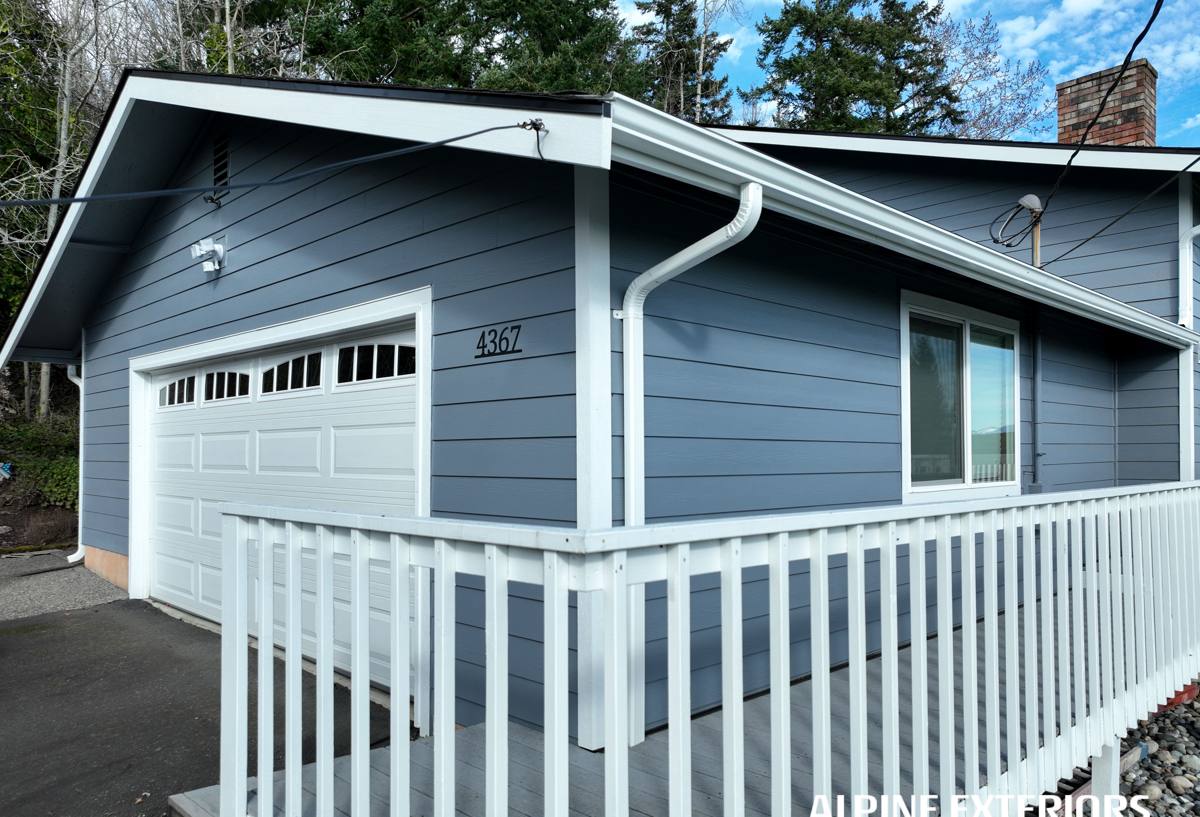
What Ybor City Homes Are Up Against
Wind and Wind-Driven Rain
Hurricane-force gusts don't just test whether panels stay attached — they test whether water gets pushed backward under laps, seams, and flashing that were never designed for pressure coming from the "wrong" direction. A metal roof that's rated for wind uplift but installed with generic flashing details can still leak during a tropical system, even if every panel stays put.
UV and Heat Cycling
Central Florida sun puts a roof through repeated expansion and contraction, day after day, for years. Paint finishes chalk and fade under it, and fasteners or clips that don't allow for that movement work themselves loose over time. This is a slower failure mode than a hurricane, but it's the one that determines whether a roof looks good and performs well at year fifteen versus year five.
Salt Air
Ybor City isn't waterfront, but Tampa Bay's proximity means airborne salt is part of the environment. It accelerates corrosion on fasteners, flashing, and any exposed metal edge that isn't properly coated or isolated from dissimilar metals. Galvanic corrosion — where two different metals in contact accelerate each other's breakdown — is a real issue on roofs where installers mixed hardware without thinking about it.
Mixed, Aging Housing Stock
Ybor City's homes span a wide range of ages and construction styles, including a fair number of older, character-driven houses alongside more recently renovated properties. Older roof decks, especially, need to be evaluated honestly before a metal roof goes on — deck condition affects fastening, ventilation, and whether an overlay is even appropriate.
Choosing the Right Metal Roofing System
Not all metal roofing is the same product wearing different colors. The panel type changes how the roof handles wind, water, and long-term maintenance.
| System | Best Fit | Trade-Offs |
|---|---|---|
| Standing seam (concealed fastener) | Homes wanting maximum wind and water resistance with a clean, modern line | Higher upfront cost; requires precise installation to perform as designed |
| Exposed-fastener panels | Budget-conscious projects, outbuildings, some residential applications | Fasteners penetrate the panel face, so gaskets wear and need periodic re-torquing or replacement over the roof's life |
| Metal shingles / stone-coated panels | Homeowners wanting a traditional shingle look with metal's durability | More seams and interlocking points than standing seam, so installer skill matters more |
For a coastal-influenced climate like Ybor City's, we lean toward concealed-fastener systems on most homes because there are fewer long-term penetration points for water and corrosion to work through. Exposed-fastener systems aren't wrong for every situation, but we're upfront that they carry a longer-term maintenance commitment in salt-air environments.
What a Correct Metal Roof Installation Actually Involves
Deck Inspection and Repair
Before anything goes on the roof, the deck needs to be sound. Soft spots, old water damage, or rot get addressed first — installing metal over a compromised deck just hides a problem instead of fixing it.
Underlayment
A high-temperature-rated synthetic or self-adhered underlayment is non-negotiable under metal in this climate. Metal panels get hot, and cheap underlayment can degrade under that heat load faster than it should, leaving the deck exposed if a panel is ever compromised.
Fastening and Clip Systems
Standing seam panels rely on clips that allow the metal to expand and contract without tearing loose or buckling. Getting clip spacing and fastener choice right — matched to the wind zone and manufacturer specs — is what separates a roof that survives a storm from one that doesn't.
Flashing and Penetrations
Valleys, wall transitions, vent stacks, and chimney penetrations are where most roof leaks originate, metal or otherwise. Custom-fabricated flashing that matches the panel profile — not generic, one-size-fits-all trim — is what keeps wind-driven rain from finding its way in during a tropical storm.
Ventilation
Proper attic ventilation keeps heat from building up under the deck, which protects both the roof assembly and the home's energy performance. It's an easy detail to skip and a costly one to skip.
- Deck inspected and repaired before install, not after problems show up
- High-temp-rated underlayment installed correctly, including at overlaps
- Fastener and clip type matched to panel system and local wind rating
- Custom flashing at every valley, wall, and penetration — no generic trim substitutions
- Ridge and soffit ventilation confirmed adequate for the attic space
- All fasteners and flashing metals checked for compatibility to avoid galvanic corrosion
Our Process for Ybor City Metal Roof Projects
1. On-Site Assessment
We inspect the existing roof, deck condition, ventilation, and any problem areas specific to the home before recommending anything. Every Ybor City property is a little different, and the right system depends on what's actually there.
2. Honest Scope and System Recommendation
We walk through panel options, what each one means for cost, maintenance, and appearance, and give a straight answer about what we'd choose for our own home in this neighborhood.
3. Permitting
Hillsborough County has specific permitting and wind-load requirements for roofing work, and metal roofs in particular need to meet documented wind-uplift ratings. We handle the permit process as a standard part of the job, not an afterthought.
4. Installation
Tear-off (or overlay, when appropriate and code-compliant), deck repair, underlayment, panel installation, and flashing — done in sequence, with attention to the details that matter most in this climate.
5. Final Walkthrough and Inspection
We review the completed roof with the homeowner and make sure it passes any required county inspection before we consider the job finished.
What Affects the Cost of a Metal Roof in This Area
We don't publish fixed prices because every roof and every home is different, but these are the main factors that move the number up or down.
| Factor | Why It Matters |
|---|---|
| Panel system chosen | Standing seam typically costs more upfront than exposed-fastener or metal shingle systems |
| Roof complexity | Valleys, dormers, and multiple roof planes require more custom flashing labor |
| Deck condition | Repair or replacement of damaged decking adds to the scope |
| Tear-off vs. overlay | Removing an existing roof adds labor and disposal cost but is often the more honest long-term choice |
| Wind-rating requirements | Meeting Hillsborough County's wind-uplift standards can affect fastener spacing and material specs |
Metal roofing generally costs more upfront than asphalt shingles, but it's a broad range depending on the factors above — and it's worth weighing against the longer service life and reduced hurricane-season repair frequency most owners see over time.
Maintenance and What to Expect Over Time
A well-installed metal roof is low-maintenance, not no-maintenance. We recommend a visual check after major storms and a periodic look at sealant points, flashing, and any exposed fasteners. Paint finishes will fade gradually under Florida sun, which is normal and doesn't indicate a failure — it's a cosmetic timeline, not a performance one, as long as the underlying installation was done right.
Why a Crew That Already Works in Ybor City Matters
Roofing rules and inspection expectations aren't identical everywhere. A crew that regularly works in Tampa and Hillsborough County already knows the permitting process, the wind-zone documentation that inspectors expect, and the kind of housing stock common in a neighborhood like Ybor City. That familiarity shows up in fewer surprises mid-project and fewer callbacks after a storm — not because out-of-area crews are incapable, but because local repetition builds judgment that's hard to replicate from a spec sheet alone.
Questions Worth Asking Before You Hire
- Are they licensed and insured to work in Hillsborough County, and can they show it?
- Do they pull their own permits, or expect you to?
- Can they explain the specific flashing plan for your roof's valleys and penetrations, not just the panel brand?
- What underlayment and fastener specs do they use, and why?
- Do they offer a written scope of work before starting, not just a verbal estimate?
If you're weighing metal roofing for a home in Ybor City, we're happy to take a look and give you a straight, no-pressure assessment of what your roof actually needs. Use the form below to request a free estimate.