 Tampa Roofing
 New-Construction Windows, Done Right From the Studs Out
Brandon has grown fast over the past two decades, and that growth means a steady mix of new-build homes, room additions, and full gut-and-rebuild renovations across the area. Any time a window opening is framed from scratch, or an existing wall is stripped down to bare studs, that opening calls for a new-construction window — not a retrofit unit. Getting this stage right matters more than most homeowners and even some builders realize, because a new-construction window is only as good as the flashing, sealing, and structural attachment behind it. Once siding, stucco, or brick veneer goes back over the opening, mistakes are hidden for years until a leak or a failed inspection brings them back to the surface.
We install new-construction windows for Brandon homeowners, builders, and general contractors who want the job done to Hillsborough County code the first time, with no shortcuts that show up later as water intrusion or energy loss.
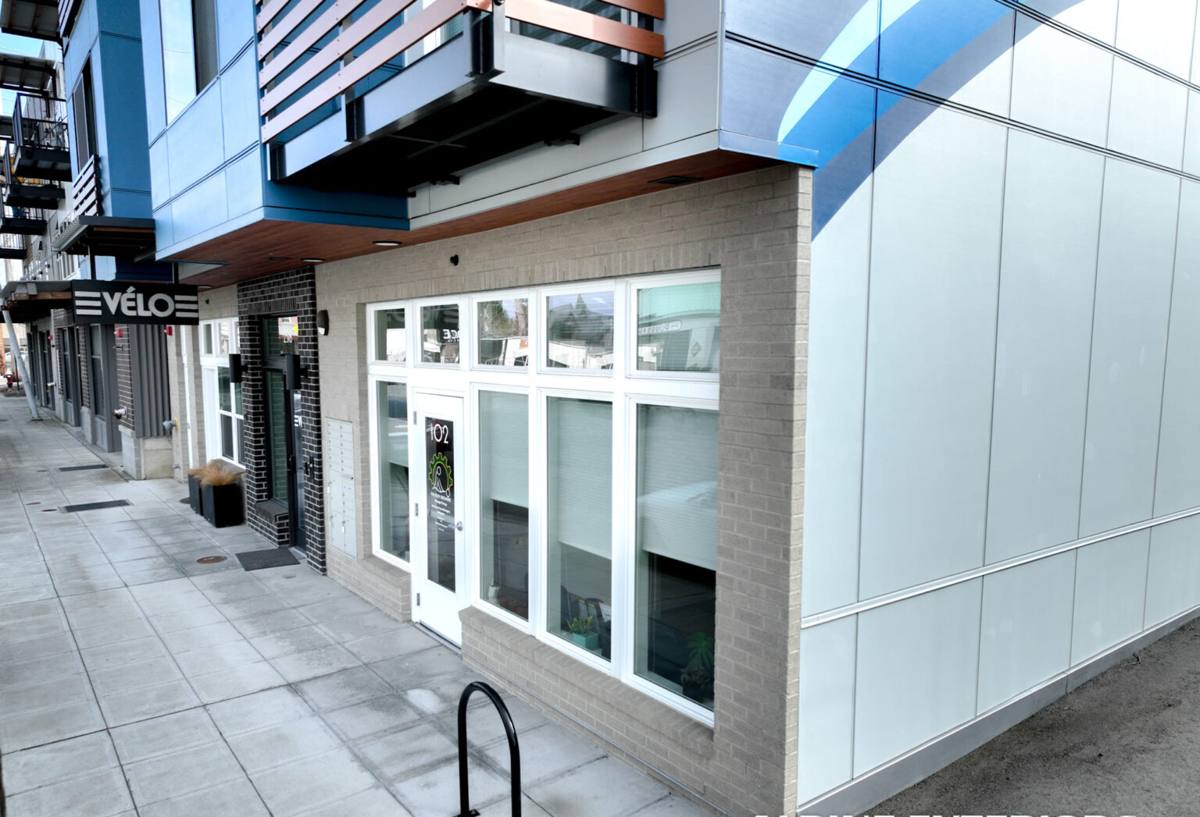
New-Construction vs. Replacement: Why the Distinction Matters
A new-construction window has a nailing fin (also called a flange) around its perimeter that gets fastened directly to the framing before the exterior finish goes on. A replacement window, by contrast, is built to slide into an existing frame with the exterior finish left in place. The two are not interchangeable, and using the wrong type — or installing the right type incorrectly — creates problems that are expensive to fix after the fact.
- New-construction windows are used for new home builds, additions, and any renovation where the wall is opened to the studs.
- They rely on a layered flashing system — sill pan, side flashing, and head flashing — integrated with the house wrap or building paper before the window goes in.
- The nailing fin transfers wind load to the framing, so fastening pattern and framing condition both matter for structural performance.
- Once the exterior cladding is installed over the fin, the flashing details are permanently concealed — there's no second chance to correct them without removing siding or stucco.
Why This Matters More in Hillsborough County
Brandon sits inland from Tampa Bay but is still squarely within Hillsborough County's hurricane-influenced climate. Homes here deal with sustained tropical storm and hurricane-force wind events, intense year-round UV exposure, wind-driven rain that gets forced sideways into wall assemblies during storms, and the general humidity and moisture load of a Gulf Coast climate. A window opening that's properly flashed and sealed keeps that wind-driven rain out of the wall cavity. One that isn't can lead to hidden rot, mold, and stucco or siding damage long before anyone notices a problem from inside the house.
What a Correct New-Construction Window Installation Involves
A proper install follows a specific sequence, and skipping or reordering steps is one of the most common causes of later leaks — even when the window itself is a good product.
- Rough opening check. The framed opening is verified for correct size, square, and level before anything else happens.
- Sill pan flashing. A sloped, sealed pan is installed at the bottom of the opening so any water that does get past the window drains back out rather than sitting against the framing.
- Weather-resistive barrier integration. Side and head flashing tape are layered with the house wrap in the correct shingle-style order — always working top over bottom — so water sheds outward at every layer.
- Setting the window. The unit is set plumb, level, and square in the opening, shimmed as needed, and fastened through the nailing fin per the manufacturer's and Florida Building Code's fastening schedule.
- Sealing. Interior and exterior sealant beads are applied at the fin and jambs, using products compatible with the window frame material and the exterior finish going over it.
- Insulation and interior trim-out. The gap between the frame and rough opening is filled with an appropriate low-expansion foam or backer rod and sealant, then trimmed.
Every one of these steps is inspectable at rough-in but invisible once the exterior finish is on. That's exactly why we document our flashing and fastening work before cladding goes over it — for our own records and for builders or homeowners who want to see it.
Florida Building Code and Wind Requirements in Brandon
Hillsborough County falls under the Florida Building Code's wind-borne debris region requirements, which are tied to the county's design wind speed rather than the High-Velocity Hurricane Zone rules that apply further south in Miami-Dade and Broward. In practice, that means new-construction windows in Brandon need to meet a specific wind pressure rating for the home's exposure category, and in many cases either be impact-rated or paired with an approved protective covering (like code-compliant shutters) over openings that aren't impact glass. The exact requirement depends on the specific property, its wind exposure, and the permit set for that build — which is why we review the site conditions and permit documents before ordering windows rather than assuming a one-size-fits-all spec.
New-construction windows also need a current Florida Product Approval number for the specific size and configuration installed. This isn't optional paperwork — it's what ties the window to the wind load and water infiltration testing the county inspector checks against.
Choosing the Right Frame and Glass for a Brandon Build
Frame material and glass package both affect how a window holds up to Hillsborough County's combination of heat, UV, humidity, and storm exposure. There's no single "best" answer for every project — it depends on budget, the home's design, and how much maintenance the homeowner wants to take on long-term.
| Frame Material | Performance in Brandon's Climate | Maintenance | Typical Use |
|---|---|---|---|
| Vinyl | Good UV and moisture resistance; won't corrode from humidity or salt-tinged air; some expansion/contraction with heat cycling | Low — no painting, occasional cleaning | Most residential new builds and additions |
| Aluminum | Strong structurally, holds tight tolerances well for large openings; conducts heat and cold more than vinyl | Low to moderate — finish can chalk over time in strong UV | Larger openings, contemporary designs, impact-rated storefront-style units |
| Fiberglass | Very stable through heat and humidity swings, strong UV resistance | Low | Higher-end builds where minimal long-term movement matters |
| Wood / wood-clad | Attractive but more vulnerable to Florida's humidity and moisture cycling if not well-maintained | Higher — periodic finish maintenance needed | Select architectural applications where appearance is the priority |
On the glass side, we generally recommend impact-rated glass or laminated glass packages for Brandon builds even where a protective covering would technically satisfy code, simply because it removes the step of installing and removing shutters before every storm. Low-E coatings are worth the modest upcharge almost everywhere in this climate — they cut down significantly on solar heat gain, which matters for cooling costs given how many months a year Tampa-area air conditioning runs.
How Our Process Works
New-construction window projects move on a different timeline than a simple window swap, since units are typically custom-sized to the framed openings and ordered specifically for the job.
1. Site Visit and Measurement
We review the framed openings (or plans, if we're brought in before framing) and confirm rough opening sizes, wind exposure, and any HOA or design requirements specific to the property.
2. Product Selection
We walk through frame material, glass package, and impact vs. non-impact options based on the budget and the specific goals for the build — energy performance, storm protection, appearance, or some balance of all three.
3. Ordering and Lead Time
Because these are made-to-order units, lead times can run several weeks depending on the manufacturer and time of year. We build that into the project schedule up front so it doesn't hold up other trades.
4. Coordination With Your Builder or Framer
On new builds, we coordinate directly with the general contractor or framing crew so window openings are framed correctly and flashing sequencing lines up with the house wrap installation — this back-and-forth is where a lot of avoidable problems get caught before they happen.
5. Installation
Our crew follows the flashing, fastening, and sealing sequence outlined above on every opening, not just the ones that are easy to reach.
6. Final Walkthrough
We walk the completed openings with the homeowner or builder before cladding closes them in, and we're available for the county inspection tied to the window installation.
Why Local Brandon Experience Matters
New-construction window work depends on more than the product — it depends on knowing how local framing crews typically build openings, what Hillsborough County inspectors look for at rough-in, and which wind exposure and flashing details actually apply to a given Brandon lot versus a generic statewide assumption. A crew that regularly works in this specific area has already worked through those details with local builders and inspectors, which means fewer surprises mid-project and fewer callbacks after the cladding is closed up.
What to Ask Before Hiring for New-Construction Windows
- Are the windows you're quoting Florida Product Approved for the wind pressure rating this specific property requires?
- Will you document the flashing and fastening before the exterior finish is installed?
- Who coordinates directly with my framer or general contractor on opening sizes and sequencing?
- What's the realistic lead time for custom-sized units, and how does that fit the overall build schedule?
- Do you pull and close out the permit and inspection tied to the window installation?
- What's the warranty structure — on the product itself versus on your installation labor?
What to Expect After Installation
Once windows are in and the exterior finish is closed up, there's very little ongoing maintenance required — an occasional rinse to clear pollen, salt-tinged air residue, and general dust off the frames and glass, and a periodic visual check of exterior sealant beads, especially after a major storm season. Vinyl and fiberglass frames in particular need no painting or refinishing. If a sealant joint ever does show wear, it's a simple maintenance item rather than a sign of an installation problem, and it's worth having it looked at before the next wind-driven rain event rather than after.
If you're planning a new build, an addition, or a full renovation in Brandon and want windows installed correctly from the framing stage forward, we're happy to walk the site, review your plans or openings, and put together a straightforward, no-pressure estimate using the form below.