 Tampa Roofing
 Building New in Carrollwood? Get the Window Install Right the First Time
Carrollwood is one of the more active pockets of Hillsborough County for new builds, additions, and full home rebuilds — a mix of newer construction going up alongside older ranch and split-level homes getting reimagined. When you're framing new openings instead of retrofitting old ones, you get one real shot to do the window installation correctly before drywall, siding, and stucco close everything in. Tampa Roofing Co works new-construction window openings across the Tampa area, including Carrollwood, and we treat that first install as the only one that matters — because once the wall is closed up, fixing a bad flashing job means tearing back into finished work.
This page is specifically about new-construction window installation in Carrollwood — new openings in new framing, not pocket replacements into existing walls. The two jobs use different products, different techniques, and different failure points, and conflating them is one of the more common mistakes we see from crews who don't specialize in this.
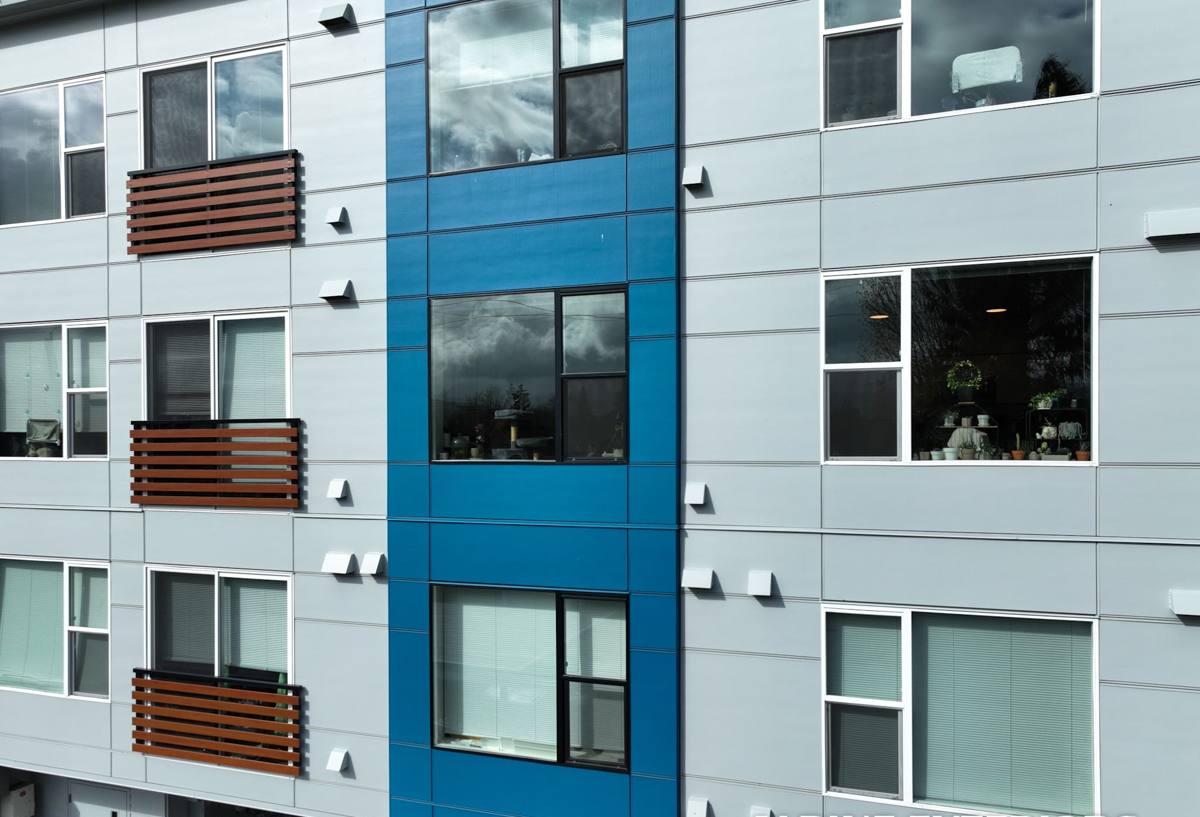
Why New Construction Is Different From Replacement
A replacement window gets inserted into an existing frame, working with whatever flashing and weatherproofing is already there. A new-construction window is installed with a nailing fin directly into open framing, which means the installer controls the entire moisture-management system from scratch — the house wrap, the flashing tape, the sill pan, and the window itself all have to work together as one integrated system.
That's an advantage if it's done right — you're not working around old problems — but it's also less forgiving. There's no existing frame to fall back on if a step gets skipped. Get the sequence wrong and you've built a leak path into the wall that won't show up until the first heavy wind-driven rain event, by which point it's inside the wall cavity instead of on the surface where you'd catch it.
What Hillsborough County Climate Demands From a New Window Opening
Tampa sees the full range of what Florida weather can do to a house: hurricane-force wind events, sustained wind-driven rain that pushes water sideways and upward against a wall, and year-round intense UV that breaks down inferior materials over time. Add in the salt air influence that reaches well inland from Tampa Bay, and you've got a climate that's actively working against any weak point in a window installation, every single day, not just during storms. A new-construction opening in Carrollwood needs to be built for that reality from the first layer of flashing tape.
- Impact-rated glass or a compliant shutter/protection system, per current Florida Building Code wind zone requirements for this area
- A properly lapped sill pan and flashing sequence that sheds water outward, never trapping it against the framing
- Sealants and flashing tapes rated for sustained UV and heat exposure, not generic products that degrade in a few Florida summers
- Corrosion-resistant fasteners and hardware, given the salt-air exposure common across the greater Tampa area
- Correct rough-opening sizing and shimming so the window isn't racked or under stress once the wall closes around it
What a Correct New-Construction Window Install Involves
There's a sequence to this, and skipping or reordering steps is where most future leaks originate. We follow the same core process on every opening:
- Rough opening check. Verify the opening is square, plumb, and correctly sized for the window unit before anything else happens. An opening that's off by even a small margin creates stress on the frame and gaps that are hard to seal reliably.
- Sill pan installation. A sloped or pre-formed sill pan goes in first, so any water that gets past the window in the future drains back outside instead of pooling on the framing.
- Flashing integration with the house wrap. Flashing tape is applied in a shingle-lap pattern — sides first, then the top — integrated with the building's weather-resistive barrier so water sheds down and out at every layer, not into the wall.
- Setting the window. The unit is set into the opening, shimmed level and plumb, and fastened through the nailing fin per the manufacturer's installation instructions — which, in Florida's high-wind zones, is also what keeps the installation compliant with code and warranty.
- Sealing and final flashing. Backer rod and sealant at the interior and exterior, with the top flashing lapped last so it directs water over everything below it, never behind it.
- Insulation and interior finish prep. Low-expansion foam or backer rod fills the gap between frame and rough opening without bowing the window frame, then the opening is ready for interior trim and exterior finish material.
The One Step Most Often Skipped
The sill pan. On a lot of jobs — especially where crews are moving fast on a tight construction schedule — the window gets set directly onto raw framing with just sealant underneath, no drainage plane. That works fine until the primary seal ages or a fastener penetration lets a small amount of water through, at which point there's nowhere for it to go but into the wall assembly. On a new build, there's zero reason to skip this step, and we don't.
Product Fit for Carrollwood New Construction
We don't push a single brand or line as the answer for every project. What matters more is matching frame material, glass package, and impact rating to the specific opening, orientation, and budget. A west-facing wall of glass in a Carrollwood great room has different needs than a smaller bedroom window on the shaded side of the house.
| Consideration | What to Weigh |
|---|---|
| Frame material | Vinyl and fiberglass both hold up well against Florida humidity and salt air; aluminum needs a quality thermal break and corrosion-resistant hardware to perform the same way over time |
| Glass package | Low-E, impact-rated laminated glass reduces solar heat gain and UV transmission — a meaningful factor on unshaded southern and western exposures |
| Impact rating | Confirm the product's design pressure rating matches the wind zone and exposure category for this specific site, not just a generic "impact-rated" label |
| Warranty structure | Understand what's covered on the glass unit versus the frame versus labor, and for how long — these are often three separate clocks |
| Maintenance | Ask how the frame material and finish hold up to UV and salt exposure with normal care, since that's the long-term cost that matters more than the sticker price |
We'll walk through these trade-offs honestly for your specific opening — there's rarely one "best" answer, just the right fit for the house, the budget, and how long you plan to own it.
Why a Local Crew Matters on New Construction
New-construction window work touches inspections, code compliance, and coordination with other trades — framers, stucco or siding crews, the general contractor's schedule. A crew that already works in and around Carrollwood and greater Tampa knows the current Hillsborough County wind zone and code requirements without having to research them mid-project, knows what Tampa building inspectors typically look for on flashing and fastening, and can show up on the schedule the rest of the build depends on without a long-distance mobilization delay.
That local familiarity also matters after the install. If a warranty question comes up two or five years down the road, you want a contractor who's still working in the area and easy to reach — not a crew that did one job in Carrollwood and moved on.
What to Ask Before Hiring for New-Construction Window Work
- Do you install to the manufacturer's written instructions for high-wind zones, and can you show that documentation?
- What's your sill pan and flashing sequence, step by step?
- Are you licensed and insured to work in Hillsborough County, and can you provide proof?
- Who pulls the permit, and who coordinates the inspection?
- What's covered under labor warranty versus the manufacturer's product warranty, and for how long?
How Our Process Works, Start to Finish
For a new-construction project in Carrollwood, we typically start with a site visit to review the rough openings and framing plans, confirm window sizes and impact requirements against the applicable wind zone, and talk through product options that fit the budget and the house's orientation. From there we handle ordering, scheduling the install to align with your broader construction timeline, and coordinating with your builder or GC so the sequence doesn't hold up drywall, siding, or stucco. After install, we walk the openings with you before they're closed in, so any questions get answered while everything is still visible and easy to address.
Timing It Right on a Build Schedule
Window installation on a new build has to land at the right moment — after the rough opening framing is complete and the weather-resistive barrier is up, but before siding, stucco, or brick veneer closes in around the openings. Get the timing wrong in either direction and you either can't flash correctly or you're holding up the next trade. Because we work regularly on new construction in the Tampa area, we're used to fitting into that window without becoming the bottleneck.
If you're planning new-construction windows for a build or addition in Carrollwood, we're happy to take a look at your plans or framed openings and give you a straightforward, no-pressure estimate — just fill out the form below.