 Tampa Roofing
 New-Construction Windows for Westchase Homes
Westchase sits inland from Tampa Bay but still takes the full brunt of Hillsborough County's weather: hurricane-force wind gusts, punishing year-round UV, wind-driven rain that finds every weak seam, and salt-laden air that works its way in from the Gulf even miles from open water. When a home is being newly built or undergoing a major addition, the windows going into those rough openings are one of the most consequential decisions in the whole project. Get the product and the installation right the first time, and you avoid years of leaks, fogged glass, and energy waste. Get it wrong, and you're paying to redo work that should have been done once.
New-construction windows are different from replacement windows in ways that matter a lot in this climate, and Westchase's mix of newer subdivisions, townhomes, and infill construction means we see this work regularly in the area.
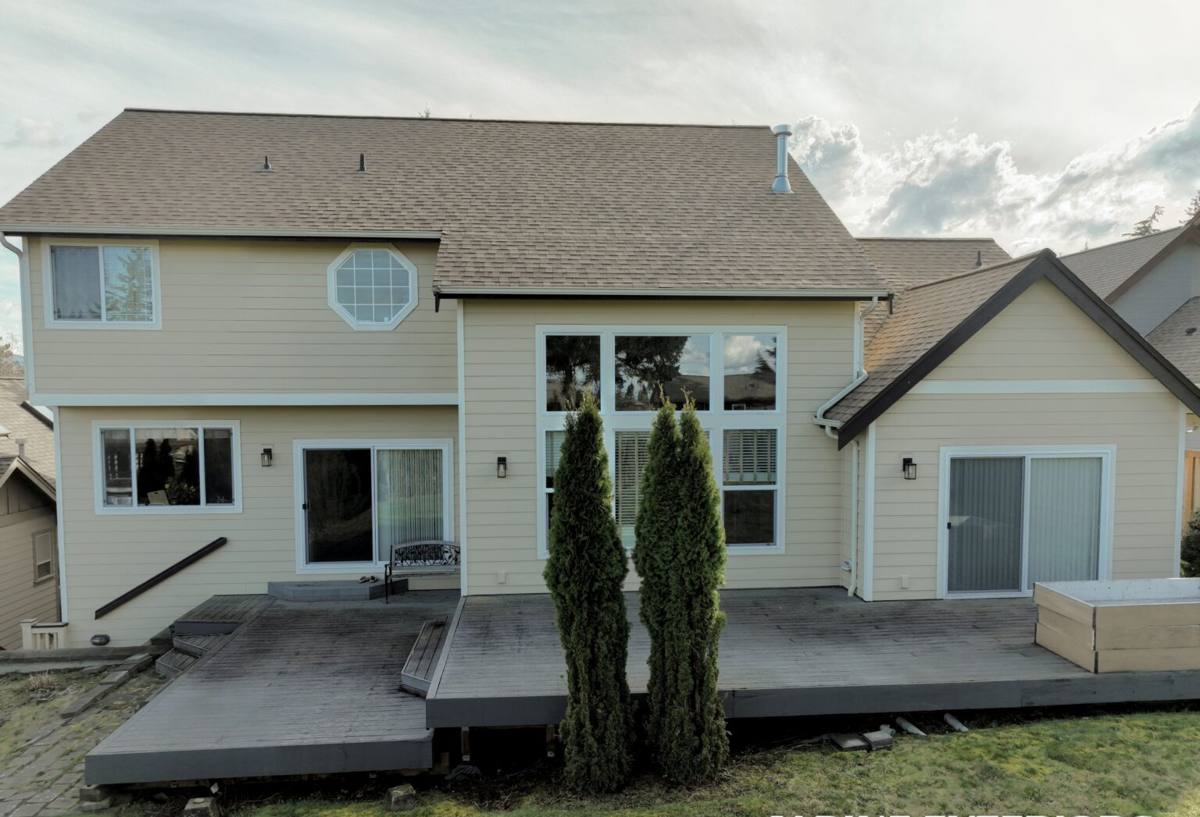
New Construction vs. Replacement: Why the Distinction Matters
A "new-construction" window has a nailing fin (or flange) around its perimeter that gets fastened directly to the wall sheathing before siding, stucco, or brick veneer goes on. A "replacement" or "pocket" window, by contrast, is designed to slide into an existing frame with the exterior finish already in place. These are not interchangeable products, and installing the wrong type — or installing the right type incorrectly — is one of the most common sources of long-term water intrusion problems we see.
Because the nailing fin ties into the home's weather-resistive barrier and flashing system, new-construction windows give an installer full access to build a proper drainage plane around the opening. That's a real advantage in Tampa's climate, where wind-driven rain doesn't just fall on a window — it gets pushed sideways and upward into any gap in the flashing. Done right, a new-construction window installation is more weathertight than almost any retrofit. Done wrong, it can be worse, because problems get sealed behind finished walls where nobody sees them until there's a stain on the drywall.
What "Correct" Actually Means Here
- Rough opening sized and squared to the window manufacturer's exact specifications, not "close enough"
- A sloped sill pan installed under the window to direct any water that gets past the frame back outside, not into the wall cavity
- Self-adhered flashing membrane integrated in the correct shingle-lap order — sill first, then jambs, then head — so water always sheds outward and downward
- Nailing fin fastened per the manufacturer's schedule (spacing and fastener type matter for both weathertightness and wind-load performance)
- Window set plumb, level, and square, then shimmed and fastened without racking the frame, which can bind sashes or crack glass seals over time
- Backer rod and compatible exterior sealant at the perimeter, sized correctly rather than smeared on as an afterthought
- Interior air seal (low-expansion foam or backer rod, not standard high-expansion foam that can bow the frame)
Every one of those steps is inspectable during construction and nearly impossible to fix cheaply afterward. That's why we treat new-construction window installs as a sequence that has to happen in the right order, not a checklist to rush through.
What Hillsborough County's Climate Demands from the Product Itself
Beyond installation, the window unit itself has to be rated for what Tampa throws at it:
Wind and Impact Resistance
Florida's building code sets wind-load and, in many cases, impact-resistance requirements based on the property's wind zone, and Hillsborough County enforces these at permitting. New construction in the Westchase area typically falls under requirements for either impact-rated glazing or approved shutter protection at every opening. Impact windows use a laminated interlayer between glass panes, similar in concept to a windshield, so the glass can crack under debris impact without opening a hole in the building envelope. For new construction, many homeowners choose impact glass outright rather than adding separate shutter systems, since it simplifies both the permitting and the day-to-day livability.
UV and Heat
Central Florida sun is intense and constant. Low-E coatings on the glass reduce solar heat gain and block a significant share of UV, which protects flooring, furniture, and window components from premature fading and degradation while easing the load on the home's air conditioning. For a new build, this is a one-time decision worth getting right — retrofitting better glass later is far more expensive than specifying it up front.
Moisture and Salt Air
Even away from the immediate coastline, Tampa Bay's salt air accelerates corrosion on hardware, screws, and lesser-grade fasteners. We use corrosion-resistant fasteners and hardware rated for coastal-adjacent exposure, because a window that leaks air or won't operate smoothly after a few Florida summers isn't a window that was installed correctly to begin with.
Comparing Frame Materials for New Construction
| Frame Material | Wind/Impact Performance | Maintenance | Typical Fit |
|---|---|---|---|
| Vinyl | Good in impact-rated configurations | Low — no painting, won't rust | Most common choice for Tampa-area new construction; strong value |
| Aluminum | Very strong, common in higher wind-load and impact-rated units | Low, but can show wear on coastal-adjacent hardware over time | Common in larger openings, sliders, and commercial-adjacent styles |
| Fiberglass | Strong and dimensionally stable in heat | Low | Higher upfront cost, less common but well-suited to Florida heat cycling |
| Wood/Wood-Clad | Can be engineered for impact ratings but requires added detailing | Highest — exterior exposure in this climate demands regular upkeep | Chosen for appearance; we're upfront that it's a bigger maintenance commitment here than in a drier climate |
We don't push any single material on every job. The right call depends on the home's architectural style, the opening sizes, and how much long-term maintenance the homeowner wants to take on. What we won't do is install a product in a configuration that isn't rated for its actual exposure, or cut corners on flashing details because a material is "supposed to be" low-maintenance — the installation quality matters as much as the product spec sheet.
Our Process for a Westchase New-Construction Window Install
- Plan review. We look at the architectural drawings or existing rough openings, confirm window schedule, sizes, and required wind/impact ratings for the specific address and wind zone.
- Product selection and ordering. We help select frame material, glass package, and configuration, then place orders with realistic lead times factored in — custom sizes and impact glass can take longer to manufacture than stock units.
- Opening prep. We verify rough openings are square, correctly sized, and that the weather-resistive barrier is properly lapped before a single window goes in.
- Sill pan and flashing. Sloped pan flashing and shingle-lapped membrane go in before the window, every time — not after problems show up.
- Setting and fastening. Windows are set plumb, level, and square, shimmed as needed, and fastened to the manufacturer's schedule.
- Sealing. Exterior sealant and interior air sealing are completed per manufacturer requirements and Florida code.
- Inspection-ready documentation. We keep the job ready for the county inspections that new construction requires at multiple stages, including window/opening protection verification.
Permitting and Inspections in Hillsborough County
New-construction window work on a permitted job in the Westchase area goes through Hillsborough County's building inspection process, and window installation is typically checked at both rough-in (flashing and fastening) and final stages. Products used must carry the appropriate Florida Product Approval or Miami-Dade NOA where required for the wind zone. We handle documentation for the products we install so it's available when the inspector asks for it, and we don't install anything that isn't properly rated for the job's requirements — cutting that corner creates problems at closing, not just down the road.
Why Hiring a Crew That Already Works in Westchase Matters
Window installation quality comes down to details that don't show up in a product brochure: how the flashing gets sequenced, how the fasteners get spaced, how the sealant gets tooled. A crew that regularly works new construction in this part of Hillsborough County already understands the wind-zone requirements that apply locally, has a working relationship with the same inspection process, and has seen how Tampa's rain and heat actually stress a window assembly over time — not just in a lab rating. That local repetition is what keeps a job from becoming a callback.
What to Ask Before Hiring
- Are you licensed to perform this work in Hillsborough County, and can you provide proof?
- Do you carry general liability and workers' compensation insurance?
- Will you pull the permit and coordinate inspections directly?
- Can you confirm the wind/impact rating required for this specific address and wind zone?
- What sill pan and flashing method do you use, and why?
- What's your plan if an opening isn't square or is out of spec when the windows arrive?
Cost Factors to Understand Up Front
| Factor | Why It Affects Price |
|---|---|
| Frame material | Vinyl generally costs less than fiberglass or wood-clad options |
| Impact vs. non-impact glazing | Impact-rated laminated glass costs more but may remove the need for separate shutter systems |
| Window size and configuration | Large openings, sliders, and custom shapes cost more than standard operable units |
| Number of openings | Whole-house new construction pricing benefits from volume compared to a handful of openings |
| Access and opening condition | Openings that are out of square or need extra framing correction add labor |
| Lead time needs | Rushed custom orders can carry premium costs compared to standard lead times |
We give straightforward, itemized estimates rather than vague lump-sum numbers, so homeowners can see exactly what's driving the total.
A Note on Timing With the Build Schedule
Window installation on new construction has to land at the right point in the schedule — after the weather-resistive barrier is up but before siding, stucco, or brick veneer closes in the openings. Scheduling this correctly with a builder or general contractor matters as much as the installation itself, since a delay in window delivery can hold up the entire exterior finish schedule. We coordinate directly with builders and homeowners in the Westchase area to keep that sequence on track.
If you're building or doing a major addition in Westchase and want windows specified and installed correctly for Hillsborough County's wind, sun, and rain, we're happy to walk the plans with you and provide a free, no-pressure estimate — just fill out the form below.