 Tampa Roofing
 New Roof Installation Built for Hyde Park
Hyde Park is one of Tampa's older, more established neighborhoods, and that shows up on its rooflines. You'll find a real mix here: mid-century ranch homes, Craftsman bungalows, larger two-story historic-style houses, and newer infill construction sitting on the same block. Each of those roof types was built to a different era's standards, and most of them are now decades past what any manufacturer rates a shingle or underlayment to last. When a Hyde Park homeowner calls us about a new roof, the conversation usually starts with a leak, a missing shingle after a storm, or an insurance inspection — but the real question underneath all of that is simple: what does a roof actually need to hold up here, a few miles from Tampa Bay, in Hillsborough County?
This page is specifically about new roof installation for homes in and around Hyde Park. We're not going to give you a generic national rundown of roofing materials. We're going to walk through what this particular climate and this particular housing stock demand, how we approach the install, and what you should expect from a contractor working this close to the water.
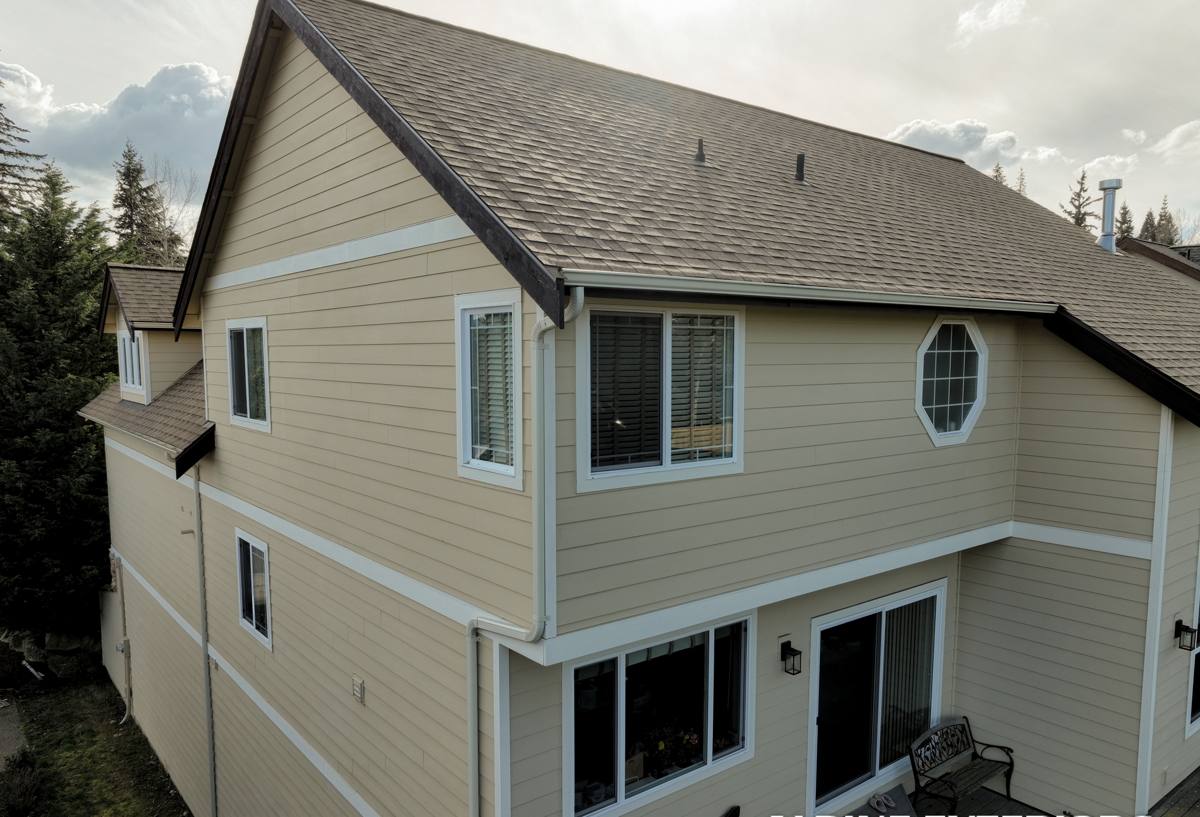
Why Hyde Park's Location Changes the Job
Being close to Tampa Bay isn't just a scenic detail — it changes what a roof has to survive. A handful of local realities drive nearly every decision we make on a Hyde Park roof:
- Hurricane-force wind exposure. Tampa sits in a wind-borne debris region, and older Hyde Park homes were often built before current wind-uplift codes existed. Fastener pattern, nail count, and deck attachment matter as much as the shingle brand.
- Intense, year-round UV. Florida sun doesn't take a winter break. UV breaks down asphalt oils and degrades cheap underlayments faster than in most of the country, which shortens the real-world life of a roof that looks fine on paper.
- Wind-driven rain. Storms here rarely fall straight down. Rain gets pushed sideways under ridge caps, around vents, and up under shingle tabs, which is why sealing details matter more than shingle choice alone.
- Salt air. Proximity to the bay accelerates corrosion on exposed metal — flashing, fasteners, vent stacks, and gutter hardware age faster here than they do further inland.
None of this means a Hyde Park roof needs to be exotic or overbuilt. It means the ordinary parts of the job — decking, underlayment, flashing, fastening, ventilation — have to be done correctly, because this climate punishes the shortcuts other regions can sometimes get away with.
What a Correct New Roof Installation Involves
Tear-Off and Deck Inspection
We don't install a new roof over an old one, and we don't recommend it in a hurricane wind zone — a second layer adds weight, traps moisture, and makes proper nailing into the deck harder to achieve. A full tear-off also lets us actually see the roof deck, which is the one part of the system a homeowner can never inspect from the ground or the attic. Soft spots, old water staining, and delaminated plywood get found and replaced at this stage, not discovered later as a leak.
Underlayment
This is the layer that does the real waterproofing work when wind-driven rain gets past the shingles — and in Hillsborough County, it will, eventually, on every roof. We use synthetic or self-adhering underlayment depending on the roof's slope, valleys, and exposure, with extra attention around eaves and valleys where water concentrates.
Flashing
Flashing around chimneys, walls, skylights, and roof-to-wall transitions is where most leaks actually start — not in the field of the roof. Salt air speeds up corrosion on lower-grade metal, so we use flashing material and fastener types suited to a coastal-influenced climate, not just whatever is cheapest.
Fastening for Wind Uplift
Nail pattern, nail placement, and nail count are code-regulated for a reason — this is the difference between shingles that stay attached in a tropical storm and shingles that peel off in a strong afternoon squall. We follow manufacturer and Florida Building Code fastening specs, not the minimum that happens to pass a quick visual check.
Ventilation
A hot, poorly ventilated attic cooks a roof from underneath and can void manufacturer warranties. Proper intake and exhaust balance matters more in Tampa's climate than in cooler regions, because attic temperatures here run higher for more months of the year.
Material Options for Hyde Park Homes
Most Hyde Park homes are well suited to architectural (dimensional) asphalt shingles, which offer a good balance of cost, wind rating, and appearance for the neighborhood's mix of house styles. Metal roofing is a strong option for homeowners who want a longer service life and better wind and heat performance, and it fits well on the neighborhood's bungalow and cottage-style rooflines. We generally steer away from lower-end 3-tab shingles for this area — their wind ratings and expected lifespan don't hold up as well against Hillsborough County storm exposure, and the labor cost to install them isn't meaningfully lower than a quality architectural shingle.
| Material | Typical Wind Rating | Expected Lifespan Here | Best Fit |
|---|---|---|---|
| Architectural asphalt shingle | 110–130 mph (product dependent) | 20–30 years with proper install | Most Hyde Park homes; good value and broad style match |
| Standing seam metal | 140+ mph (product dependent) | 40–50+ years | Homeowners prioritizing longevity, heat reflectivity, storm performance |
| 3-tab asphalt shingle | 60–80 mph (product dependent) | 15–20 years | Generally not recommended for this wind zone |
Actual wind ratings and warranty terms vary by manufacturer and product line — we'll go over the specific options and their published ratings during your estimate rather than quote numbers that may not apply to the exact product installed.
Our Process for a Hyde Park Roof Replacement
- On-site inspection. We walk the roof and attic, check the deck condition where accessible, and look at flashing, ventilation, and any prior repair patches.
- Written estimate. You get a clear scope of work and pricing before anything is scheduled — no vague allowances buried in the fine print.
- Material selection. We go over shingle or metal options suited to your home's style and your budget, including color and profile choices that fit the neighborhood.
- Permitting. Roof replacements in Tampa require a permit through the City of Tampa or Hillsborough County depending on the property. We handle that paperwork.
- Tear-off and deck repair. Full removal of the old roofing, deck inspection, and replacement of any damaged sheathing.
- Underlayment, flashing, and fastening. Installed to manufacturer specification and Florida Building Code wind-uplift requirements.
- Final inspection and cleanup. We walk the finished roof with you, arrange the required inspection, and do a full site and yard cleanup, including magnetic nail sweep.
Why Local Experience in Hyde Park Matters
A roofing crew that regularly works Hyde Park already knows things that save time and prevent problems on your project. We're familiar with the mix of older and newer roof decking common to the neighborhood's housing stock, which helps us give a more accurate estimate up front instead of finding surprises mid-job. We also know the permitting process with the local jurisdiction, which keeps the project moving instead of stalling on paperwork. And because we're already working in the area, scheduling, material delivery, and any follow-up service calls are simpler than bringing in a crew from outside the region for a one-off job.
Beyond logistics, there's a trust factor. A roof installed with the wrong assumptions about this climate — under-rated fasteners, cheap flashing, inadequate ventilation — can look fine for a year or two and then fail exactly when a storm tests it. Hillsborough County sees that pattern regularly after major wind events: roofs that passed a casual inspection but weren't actually built for the conditions they were about to face.
Signs a Hyde Park Roof Needs Replacement, Not Repair
- Shingles that are curling, cracking, or losing significant granule coverage across large sections of the roof
- Multiple past repairs in different areas rather than one isolated problem spot
- Visible sagging in the roofline or soft spots felt when walking the roof
- Daylight visible through the roof deck from inside the attic
- Persistent leaks that return after patching, especially around valleys or chimneys
- A roof approaching or past 20 years old with no major upgrades since installation
- Rising energy bills tied to poor attic ventilation or failing insulation contact from roof deterioration
If your roof shows only one or two of these signs in a limited area, a repair may genuinely be the more honest recommendation — we'll tell you that rather than push a full replacement you don't need yet.
What Affects the Cost of a New Roof in Hyde Park
Every roof is priced individually after an on-site inspection, but a few factors consistently move the number up or down for homes in this neighborhood:
- Roof size and complexity. Steep pitches, multiple valleys, dormers, and chimneys all add labor time compared to a simple gable roof.
- Deck condition. Older homes sometimes need sheathing replacement discovered only after tear-off, which is why we build inspection into the process rather than guessing from the ground.
- Material choice. Architectural shingles, premium shingle lines, and metal roofing all carry different material and labor costs.
- Ventilation upgrades. Adding or correcting ridge vents, soffit vents, or attic fans during the reroof adds modest cost but pays off in shingle life and energy performance.
- Permit and code requirements. Local wind-uplift and code compliance requirements affect fastening specs and sometimes underlayment requirements.
We'd rather walk your roof and give you real numbers than publish a broad range that doesn't reflect your actual home.
Get a Straight Answer on Your Hyde Park Roof
If your roof is showing its age, took storm damage, or you're just trying to get ahead of a problem before it becomes an emergency, we're happy to take a look. We'll give you an honest read on whether you need a full replacement or a repair, walk you through material options suited to Tampa's climate and Hyde Park's home styles, and put together a clear, no-pressure estimate — no obligation to move forward. Fill out the form below to schedule a free estimate.