 Tampa Roofing
 New Roof Installation Built for Town 'n' Country's Climate
Town 'n' Country sits close enough to Tampa Bay that homes here take a different kind of beating than roofs just a few miles inland. Between hurricane-season wind events, near-daily summer UV exposure, wind-driven rain that finds every weak seam, and a trace of salt air working its way through the neighborhood, a roof in this part of Hillsborough County ages faster than the manufacturer's brochure suggests. A new roof installation here isn't just about swapping old shingles for new ones — it's about building an assembly that's matched to what this specific area throws at it, year after year.
We install roofs across the Tampa area, but we spend a lot of time specifically in Town 'n' Country, and that matters. The right nailing pattern, underlayment choice, and ventilation setup for a home here isn't identical to what we'd spec for a home in a different wind zone or a different tree canopy. This page walks through what a correct installation actually involves, what tends to go wrong when it's rushed, and how our process works from first call to final inspection.
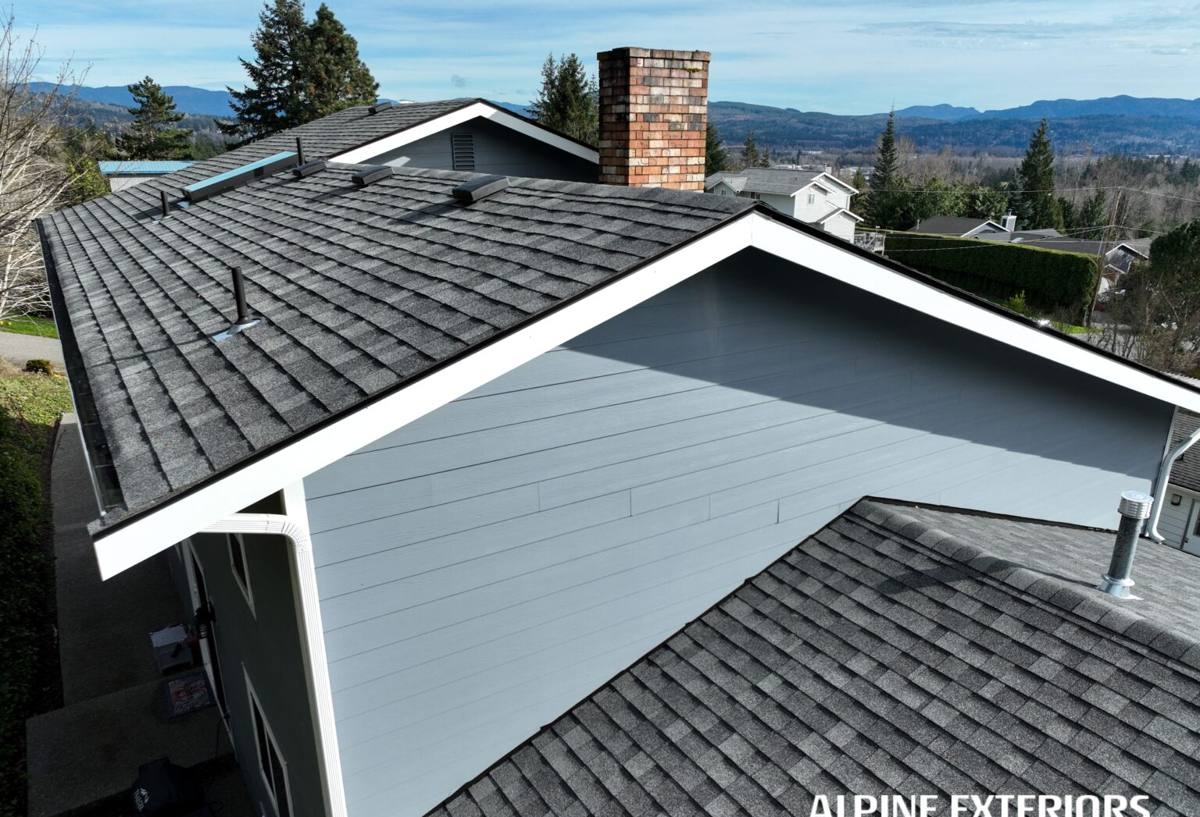
What Town 'n' Country Homes Actually Need From a New Roof
Wind Resistance That Matches the Real Exposure
Hillsborough County building code sets minimum wind-uplift requirements, and those minimums exist because this area sees hurricane-force gusts on a real, recurring basis — not as a hypothetical. A new roof here needs fastening patterns, starter strip application, and hip-and-ridge detailing that hold up under sustained uplift, not just the bare minimum to pass inspection. We treat code as the floor, not the target.
UV Durability
Florida sun is relentless on roofing materials almost all year. UV breaks down asphalt oils, causes granule loss on shingles, and accelerates the aging of underlayments that aren't rated for high-heat exposure. A roof spec'd for a milder climate will visibly wear faster here — chalking, curling, and premature granule loss show up years earlier than the warranty paperwork implies.
Wind-Driven Rain Protection
Straight-down rain is easy for almost any roof to shed. Wind-driven rain is the real test — it gets pushed sideways and upward under laps, around penetrations, and into any gap in the underlayment. This is why underlayment selection and flashing detail work matter as much as the shingle or metal panel itself, especially at valleys, chimneys, skylights, and roof-to-wall transitions.
Salt Air and Metal Corrosion
Town 'n' Country isn't oceanfront, but it's close enough to Tampa Bay that airborne salt is a real factor for exposed metal — fasteners, flashing, vents, and drip edge. Using the wrong grade of metal or fastener here means visible rust and corrosion well before the roof itself is due for replacement.
What a Correct New Roof Installation Involves
A quality roof replacement is a sequence of details, and skipping or rushing any one of them shortens the life of everything above it. Here's the order we follow and why each step matters:
- Tear-off and deck inspection. Every layer of old roofing comes off so we can actually see the deck. Soft spots, delaminated plywood, and old water damage get found and replaced here — not discovered as a leak two years later.
- Deck repair and preparation. Any compromised sheathing is cut out and replaced with matching thickness material, properly fastened to the rafters or trusses, not just tacked over the gap.
- Drip edge installation. Corrosion-resistant metal drip edge goes down at eaves and rakes before underlayment, directing water off the roof edge instead of behind the fascia.
- Underlayment. A synthetic or self-adhering underlayment goes down as the roof's true second line of defense — the layer that protects the deck if wind-driven rain gets past the shingles or panels.
- Flashing at every penetration. Valleys, chimneys, skylights, plumbing vents, and wall transitions each get properly formed and integrated flashing — the single most common source of leaks when installed carelessly.
- Field installation. Shingles, metal panels, or tile go down per manufacturer spec, with fastening patterns matched to Hillsborough County's wind-uplift requirements, not just a generic nailing schedule.
- Ventilation check. Intake and exhaust ventilation get balanced so the attic isn't trapping heat and moisture, which shortens shingle life and can void manufacturer warranties.
- Final walkthrough and cleanup. Nails and debris get cleared from the yard and gutters, and we walk the finished roof with you before calling the job done.
Choosing the Right Roofing Material for This Neighborhood
There's no single "best" roofing material — the right choice depends on your roof's slope, your budget, your home's structure, and how long you want to go before the next replacement. Here's an honest comparison of the main options we install:
| Material | Typical Lifespan | Wind Performance | Maintenance Notes |
|---|---|---|---|
| Architectural asphalt shingles | 20–30 years | Good, when rated and installed for high-wind zones | Moderate; periodic inspection after storms recommended |
| Standing seam metal | 40–50+ years | Excellent when properly fastened | Low; watch fastener and coating condition over time |
| Concrete or clay tile | 40–50+ years | Very good, but individual tiles can crack from impact | Moderate; underlayment beneath tile ages faster than the tile itself |
| Flat/low-slope membrane (TPO, modified bitumen) | 15–25 years | Good with proper adhesion and edge detailing | Moderate; seams and edges need periodic checks |
We'll walk you through which of these fits your home, your roof's pitch, and your budget honestly — including the trade-offs of each, not just the upside.
A Note on Product Choices
We don't install every product on the market, and that's intentional. Some materials that look appealing on paper come with installation sensitivities, moisture-trapping behavior, or warranty structures that make them a poor fit for our standard of workmanship in this climate. When we steer a homeowner away from a specific product, it's because we've set a professional standard for what we're willing to warranty our labor on — not a claim that the product is defective. We're happy to explain our reasoning on any specific material during your estimate.
Signs Your Town 'n' Country Roof Needs Replacing, Not Patching
- Shingles that are curling, cupping, or losing granules in large patches
- Multiple active leaks in different areas of the roof, not just one isolated spot
- Visible sagging anywhere on the roof deck or ridge line
- Daylight visible through the roof deck from inside the attic
- Roof is at or past 20–25 years old for asphalt shingles
- Repeated storm damage repairs on the same sections year after year
- Rising energy bills tied to poor attic ventilation or insulation failure at the roof line
- Insurance company flagging the roof's age or condition during a policy review
If you're only seeing one or two of these, a repair may still make sense. If several apply at once, a full replacement is usually the more cost-effective path — patching a roof that's failing in multiple places tends to cost more over time than doing the job once, correctly.
Our Process, Start to Finish
1. On-Site Inspection and Honest Assessment
We start with a hands-on inspection of your existing roof, attic ventilation, and deck condition where accessible. You get a straight answer about whether you need a full replacement or whether a repair genuinely makes sense first.
2. Written Estimate
You'll get a detailed, written scope of work and pricing — materials, labor, and what's included — before any work begins. No verbal-only quotes, no vague line items.
3. Permitting
Hillsborough County requires a permit for roof replacement, and we handle that process on your behalf, including scheduling the required inspections.
4. Material Delivery and Scheduling
We coordinate delivery timing so materials aren't sitting exposed to weather longer than necessary, and we give you a realistic install-day timeline based on your roof's size and complexity.
5. Installation
Most single-family roofs in Town 'n' Country are completed in one to a few days, weather permitting. We protect landscaping and gutters during tear-off and keep the site as clean as a roof job allows.
6. Final Inspection and Documentation
Once the county inspection passes, you get final documentation for your records — useful for insurance, home resale, and warranty registration.
Why Local Experience in Town 'n' Country Matters
A crew that regularly works this specific area already knows the practical realities that affect scheduling and quality: how quickly Hillsborough County permitting typically moves, what the local wind and rain patterns actually look like through hurricane season, and how homes in this neighborhood's age range tend to be built. That familiarity shows up in fewer surprises — not a marketing point, just the practical benefit of doing the work here repeatedly instead of treating every job as unfamiliar territory.
It also means we're reachable if something needs attention after a storm, not a company that only shows up for the sale. Roofing is a long-term relationship with your home, and being local to the Tampa area is part of what makes that possible.
What to Expect on Cost
Roof replacement pricing depends on several factors specific to your home, not a flat per-square-foot number that applies everywhere. The table below outlines what actually drives the cost up or down on a given project:
| Factor | Effect on Cost |
|---|---|
| Roof size and number of stories | Larger and taller roofs increase labor and material handling costs |
| Roof pitch and complexity | Steep or multi-plane roofs with many valleys take longer to install correctly |
| Material choice | Asphalt shingles are generally the most affordable; metal and tile cost more upfront but last longer |
| Deck condition | Rotted or damaged decking found during tear-off adds material and labor to replace |
| Layers of existing roofing | Multiple old layers increase tear-off time and disposal costs |
| Ventilation upgrades needed | Adding or correcting attic ventilation adds modest cost but protects the new roof's lifespan |
We'd rather walk your roof and give you real numbers than throw out a broad range that doesn't reflect your actual home. That's part of why we start every project with an in-person inspection instead of a phone estimate.
Ready to Talk About Your Roof?
If your Town 'n' Country home is due for a new roof, or you're not sure whether you need a repair or a full replacement, we're glad to take a look and give you a straight answer. Reach out for a free, no-pressure estimate using the form below — there's no obligation, just an honest assessment of where your roof stands.