 Tampa Roofing
 Asphalt Shingle Roofing Built for New Tampa's Climate
New Tampa sits inland from the bay but still takes a beating from the same weather that defines roofing work across Hillsborough County: long stretches of intense summer sun, sudden afternoon storms with heavy wind-driven rain, and the real possibility of hurricane-force gusts during the season. Asphalt shingle roofs remain the most common choice in New Tampa's newer subdivisions and established neighborhoods alike because, done correctly, they hold up well to all of it at a price that makes sense for most homeowners. The word "correctly" is doing a lot of work in that sentence, though — a shingle roof installed with shortcuts will show it here faster than almost anywhere else in the country.
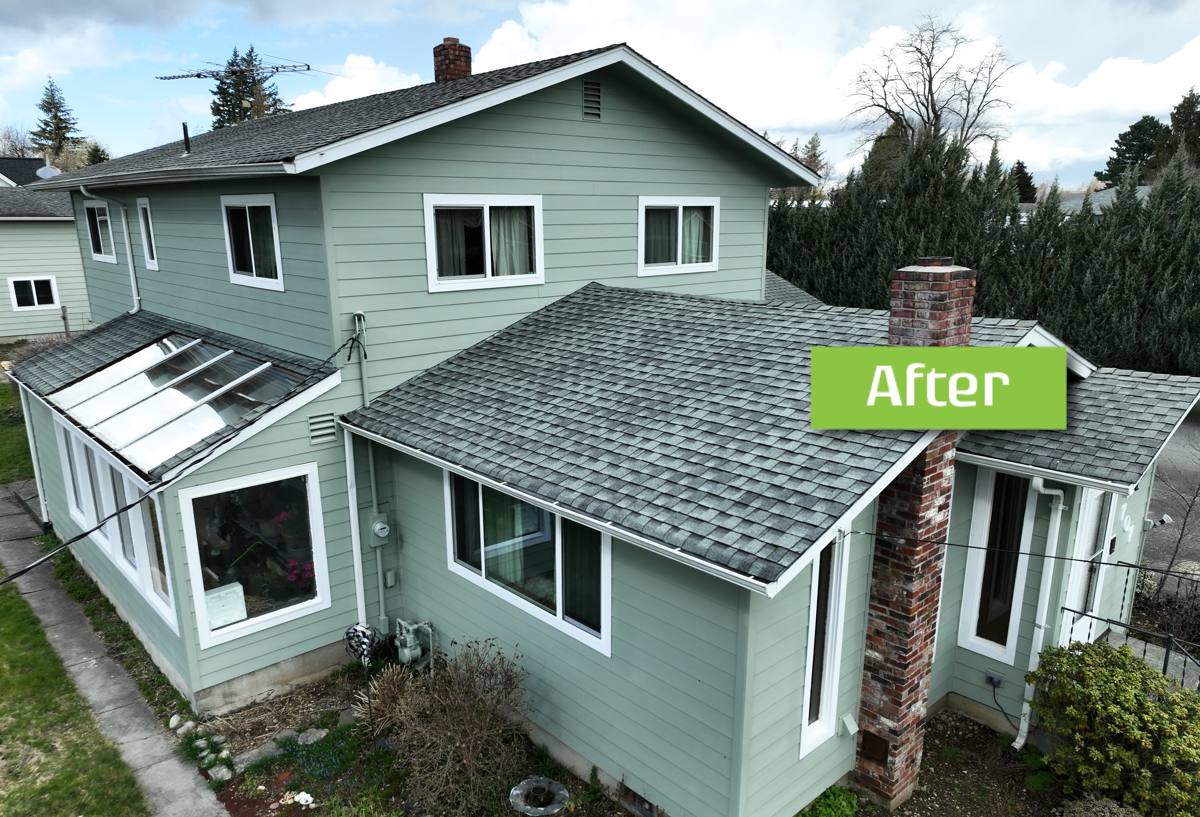
This page is about one thing: asphalt shingle roofing, done right, for homes in New Tampa. Not a general overview of roofing materials, and not a sales pitch for a product line. Just what your roof actually needs to hold up in this specific part of Florida, and how a crew that works these streets regularly approaches the job differently than one passing through.
What New Tampa's Weather Actually Does to a Shingle Roof
Every roofing material has a failure pattern, and shingles in this region tend to fail in predictable ways when the installation cuts corners:
- UV degradation: Florida's sun exposure is among the harshest in the continental U.S. Asphalt shingles rely on their granule coating to reflect UV and protect the asphalt underneath — once granules wear thin, the mat dries out, cracks, and loses its seal early.
- Wind-driven rain intrusion: It's rarely straight-down rain that causes leaks here. Wind pushes rain sideways and even upward under shingle edges, which is why flashing detail and starter strip placement matter more in Hillsborough County than in drier, calmer climates.
- Hurricane and tropical-storm wind loads: Even a storm that doesn't make direct landfall can bring sustained gusts strong enough to lift improperly nailed shingles. Nailing pattern and shingle wind rating aren't optional details on a Tampa-area roof.
- Heat cycling and attic temperatures: Attic spaces in New Tampa homes routinely run far hotter than outside air in summer. Poor ventilation bakes shingles from underneath, shortening their life regardless of how good the shingle itself is.
- Humidity and moisture retention: Even away from the immediate coastline, Tampa Bay's humid air keeps roof decks and underlayment damp longer after storms, which makes underlayment choice and deck ventilation more important than in drier regions.
None of this means shingles are the wrong choice for New Tampa — they're the dominant roofing material here for good reason. It means the installation has to account for these specific stresses rather than following a generic national spec.
What a Correct Shingle Installation Includes Here
The Deck Comes First
Before a single shingle goes down, the roof deck needs to be sound. In Hillsborough County's older New Tampa homes, we sometimes find soft or delaminated plywood from years of minor, unnoticed moisture intrusion. Installing new shingles over a compromised deck just hides the problem and shortens the life of the new roof. A correct job includes inspecting the deck, replacing any bad sheathing, and confirming proper fastening before underlayment goes on.
Underlayment That Matches the Climate
Synthetic or self-adhering underlayment provides a secondary water barrier if wind ever drives rain under the shingle layer. Given how often Tampa-area storms arrive with strong gusts, we treat underlayment as a real line of defense, not a formality, and pay particular attention to valleys, eaves, and any low-slope sections where water lingers longest.
Flashing and Sealing Details
Most shingle roof leaks in this area trace back to flashing, not the shingles themselves — around chimneys, skylights, sidewalls, and plumbing vents. Wind-driven rain finds any gap in these transitions. Correctly formed and properly lapped flashing, sealed with the right materials for our humidity and heat, is where a lot of the actual leak-prevention work happens.
Nailing Pattern and Wind Rating
Florida Building Code sets minimum wind-resistance standards, and Hillsborough County enforces permitting and inspection on reroofs to confirm compliance. We match the shingle's rated nailing pattern to local wind requirements rather than defaulting to a generic four-nail pattern that may not meet code or hold up in a real storm.
Ventilation
Balanced intake and exhaust ventilation keeps attic temperatures closer to outdoor levels, which protects shingles from the underside and helps the home's cooling system work less hard through Tampa's long summers. We check existing soffit and ridge ventilation on every reroof and correct it when it's undersized or blocked — a common issue in additions and older sections of New Tampa's housing stock.
Our Process on a New Tampa Roofing Job
- Inspection and estimate: We walk the roof, check the attic when accessible, and document deck condition, flashing points, and ventilation before quoting anything.
- Permitting: We pull the required Hillsborough County reroof permit and schedule the inspections it requires — this isn't optional on a full reroof, and skipping it can create real problems when you go to sell the home.
- Tear-off and deck check: Old shingles and underlayment come off completely so we can inspect the deck directly rather than guess at its condition.
- Repair as needed: Any soft, rotted, or delaminated sheathing gets replaced before underlayment goes down.
- Underlayment and flashing: Installed to current code and matched to the roof's specific valleys, penetrations, and edge conditions.
- Shingle installation: Installed to the manufacturer's wind-rated nailing pattern, with attention to starter strips, ridge caps, and exposure consistency.
- Ventilation correction: Intake and exhaust balanced where the existing setup falls short.
- Cleanup and magnetic sweep: Full site cleanup, including a nail sweep of the yard and driveway.
- Final walkthrough and inspection: We review the finished roof with you and coordinate the final county inspection.
Choosing the Right Shingle for New Tampa Conditions
Not every asphalt shingle product is built the same, and the right choice depends on your budget, your roof's exposure, and how long you plan to stay in the home. We'll talk through the honest trade-offs rather than push a single line.
| Shingle Type | Typical Wind Rating | Best For | Trade-offs |
|---|---|---|---|
| 3-tab shingles | Lower end of code minimums | Budget-conscious reroofs on standard slopes | Shorter lifespan under intense UV and wind; thinner profile shows wear sooner |
| Architectural (laminate) shingles | Mid to high, model-dependent | Most New Tampa homes; good balance of cost and durability | Higher upfront cost than 3-tab; still requires correct nailing and flashing to perform |
| Impact-rated (Class 4) shingles | High wind and impact resistance | Homes prioritizing storm resilience or seeking insurance credits | Highest material cost; benefit depends on correct installation, not the shingle alone |
Impact-rated shingles can sometimes qualify homeowners for a wind-mitigation insurance discount in Florida — worth asking your insurance agent about directly, since savings vary by carrier and policy.
Cost Factors Homeowners Should Understand
We won't quote a number without seeing the roof, but the main variables that move price on a New Tampa reroof are consistent:
- Roof size and pitch: Steeper roofs take longer to work safely and require more material overlap.
- Deck condition: Sheathing replacement is priced separately because it's only known once the old roof is off.
- Number of penetrations and valleys: More chimneys, skylights, and roof intersections mean more flashing labor.
- Shingle tier chosen: 3-tab, architectural, and impact-rated products carry different material costs.
- Ventilation upgrades: Adding or correcting soffit and ridge venting adds modest cost but pays back in shingle life and attic temperature.
- Permit and code requirements: Hillsborough County permit fees and any code-required upgrades are part of an honest estimate, not a surprise add-on.
Why Hiring a Crew That Already Works in New Tampa Matters
A roofing crew that regularly works New Tampa neighborhoods already knows the county's permitting process, the common deck and ventilation issues in the area's housing stock, and how HOA guidelines in some communities affect shingle color and style choices. That familiarity shows up in fewer surprises during the job — permits pulled correctly the first time, inspections scheduled without delay, and a crew that isn't learning Hillsborough County's requirements on your roof. It also means we're a known, local business if a warranty question or storm-related issue comes up years down the road, rather than an out-of-town crew that's moved on to the next state.
Maintaining Your Shingle Roof After Installation
A correctly installed shingle roof still benefits from basic upkeep, especially given how hard New Tampa's sun and storm season work on any roofing material.
- Have the roof visually inspected after any major storm with sustained high winds
- Clear debris from valleys and gutters so water doesn't pool against shingle edges
- Trim back overhanging branches that can abrade shingles or drop debris
- Watch for granule loss showing up in gutters, a sign of accelerating UV wear
- Check attic ventilation isn't blocked by insulation or storage
- Address small flashing or sealant issues promptly, before wind-driven rain finds them
- Schedule a professional inspection every couple of years, even with no visible problems
Signs Your New Tampa Roof May Need Attention
Homeowners often wait too long to call because shingle roof problems aren't always obvious from the ground. Watch for curling or cupping shingle edges, dark streaking or excessive granule loss, soft spots underfoot in the attic, daylight visible through the roof deck, or water stains on interior ceilings after heavy rain. Any of these, especially after a windstorm, is worth a prompt inspection rather than a wait-and-see approach — small flashing or seal failures are inexpensive to fix early and expensive to ignore.
Get an Honest Look at Your Roof
If you're planning a reroof, dealing with storm damage, or just want an honest assessment of where your current shingle roof stands, we're happy to take a look. The estimate is free, there's no pressure, and you'll get a straight answer about what your roof actually needs — simply fill out the form below to get started.