 Tampa Roofing
 Board & Batten Siding in New Tampa: What the Climate Demands
New Tampa homes deal with a specific combination of stresses that most siding products were never engineered for: long stretches of intense UV exposure, sudden downpours that drive rain sideways during summer storms, high humidity that never really lets up, and the occasional hurricane-force wind event that tests every fastener and seam on the exterior of a house. Board and batten siding, with its bold vertical lines and deep shadow reveals, is one of the most popular exterior styles going into New Tampa's newer construction and remodel projects right now. Done right, it looks sharp for decades. Done with the wrong material or a rushed installation, it becomes a recurring maintenance headache within a few years.
We install board and batten exclusively in James Hardie fiber cement, and we install it specifically with Hillsborough County's climate in mind. This page covers what that actually means for a New Tampa home — not generic siding advice, but the details that matter for this exact style, in this exact area.
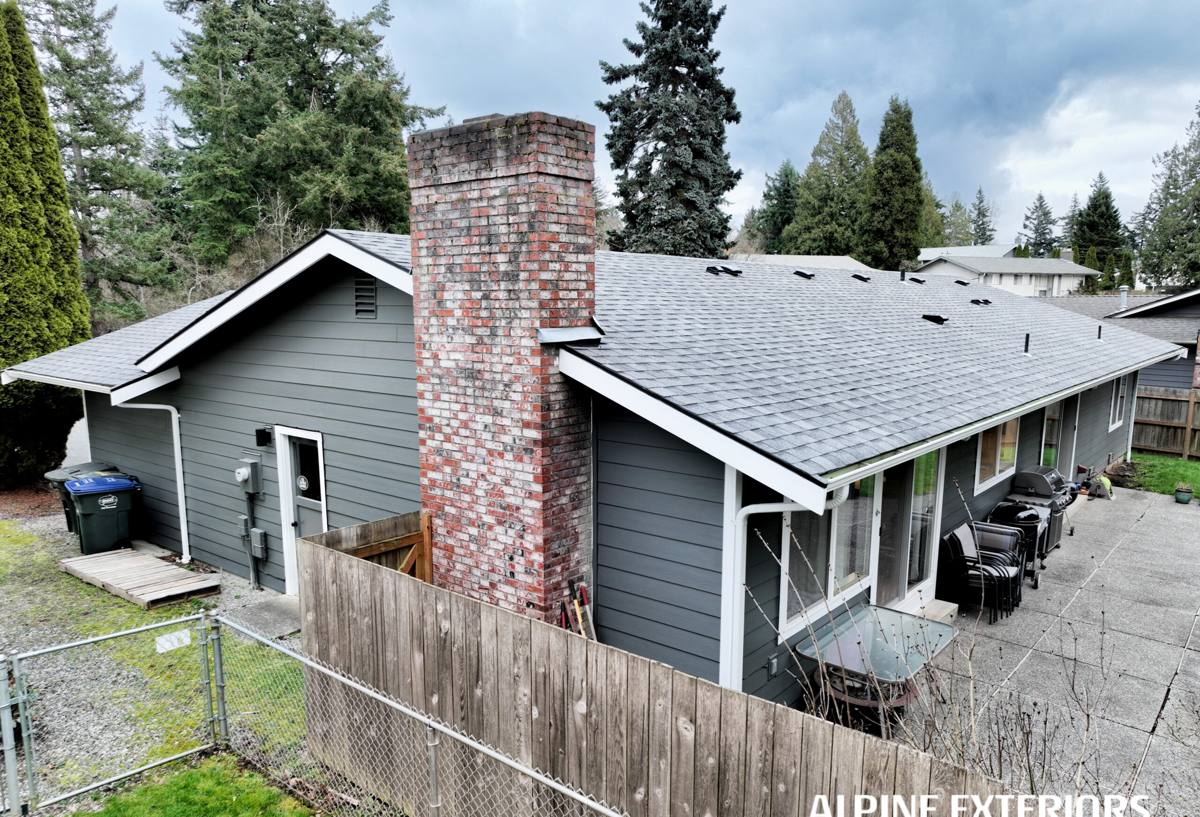
Why Board & Batten Is a Good Fit for New Tampa — When It's Built Right
Board and batten's vertical board-and-strip pattern creates a clean, modern look that pairs well with the mix of contemporary and traditional Florida architecture common throughout New Tampa's newer developments. It also has a functional advantage in wet climates: when installed with proper drainage behind the boards, vertical siding sheds wind-driven rain more predictably than some horizontal profiles, because water has a shorter, more direct path down and off the wall rather than pooling along long horizontal laps.
That advantage only holds up if the installation includes a real drainage plane, correct batten spacing, and material that won't absorb and hold moisture at the joints. That's where the product choice becomes the whole story.
What Tampa's Climate Actually Does to Siding
- UV exposure: Year-round Florida sun fades and chalks poor-quality paint finishes, and it dries out and cracks wood-based products over time.
- Wind-driven rain: Summer storms and tropical systems push water horizontally into wall assemblies, not just straight down — vertical siding needs flashing and drainage details that account for this, not just gravity.
- Humidity: Near-constant moisture in the air keeps wall assemblies damp longer after rain events, which is exactly the condition that rots wood substrates and swells engineered wood products at cut edges and joints.
- Hurricane-force wind: Fastener pull-through and panel failure during high-wind events come down to installation quality and substrate strength as much as the product itself.
- Salt air influence: Even well inland from the Gulf, salt-laden air moving through the Tampa Bay region accelerates corrosion on fasteners and trim if the wrong hardware is used.
Why We Install James Hardie for Board & Batten — and Not the Alternatives
Board and batten can be built from several materials: vinyl, engineered wood (like LP SmartSide), primed spruce or cedar, or fiber cement. We made a standing decision as a company to install only James Hardie fiber cement, across every siding style we offer, including board and batten. That decision is worth explaining honestly rather than just stating.
Vinyl Board & Batten
Vinyl board and batten is affordable and low-maintenance in the sense that it doesn't need repainting. But it's a thin plastic product that expands and contracts significantly with Tampa's heat swings, which can cause visible warping or buckling on south- and west-facing walls over time. In hurricane-force wind events, vinyl panels are also more prone to cracking or blowing off than a heavier, mechanically fastened material. For a style like board and batten, where straight vertical lines and crisp shadow lines are the whole visual point, warped vinyl is especially noticeable.
Engineered Wood (LP SmartSide and Similar Products)
Engineered wood siding has real strengths — it's lighter than fiber cement and easier to cut on site. But it's still a wood-based product at its core, treated with resins to resist moisture. In a climate with Tampa's humidity and rain exposure, any breach in the factory coating — a cut edge, a fastener hole, a scratch during installation — creates a path for moisture intrusion, and once moisture gets into engineered wood, it swells and can delaminate. That risk is manageable with excellent installation and diligent caulking maintenance, but it's an ongoing maintenance burden we chose not to build our business around in a wet, storm-prone market.
Primed Spruce or Cedar
Real wood board and batten has a warmth and authenticity that manufactured products try to replicate. But solid wood in Hillsborough County's humidity is a genuine long-term commitment: it needs repainting on a real schedule, it's vulnerable to rot at end grain and joints, and it's a food source for wood-destroying insects that are active year-round in this region. We're honest with homeowners who want that look — it's achievable, but it comes with a maintenance calendar that most people underestimate when they're picturing the finished product rather than the tenth year of ownership.
Why Fiber Cement Wins for This Application
James Hardie fiber cement is a mix of cement, sand, and cellulose fiber. It doesn't expand and contract with heat the way vinyl does, it doesn't rot or delaminate from moisture exposure the way wood-based products can, and it's non-combustible. For board and batten specifically, the material's rigidity holds a straight, crisp vertical line that doesn't sag or warp, and the factory-applied ColorPlus finish is baked on and warranted against fading — which matters enormously under Tampa's UV load. It's also engineered in an HZ5 formulation for high-humidity, high-moisture climates like ours, which isn't marketing language — it reflects real formulation differences aimed at regions like the Gulf Coast.
| Material | UV/Fade Resistance | Moisture Behavior | Wind Performance | Maintenance |
|---|---|---|---|---|
| Vinyl | Fair — can chalk, fades faster in strong sun | Doesn't rot, but warps with heat | Weaker fastening; brittle in impacts | Low, but limited repair options |
| Engineered Wood | Good with intact coating | Vulnerable if coating is breached | Good when fastened to spec | Moderate — caulk/coating upkeep |
| Primed Wood | Poor without regular repainting | Rot-prone in humidity, insect risk | Good structurally | High — repainting cycle required |
| James Hardie Fiber Cement | Excellent — factory ColorPlus warranty | Excellent — moisture and rot resistant | Strong when installed to spec | Low — no repainting cycle needed |
What a Correct Board & Batten Installation Involves
Board and batten is deceptively simple-looking but unforgiving of shortcuts, because every board is a visible line — there's nowhere for a bad seam or crooked reveal to hide.
The Details That Determine Whether It Lasts
- Drainage plane and weather-resistive barrier: A continuous water-resistive barrier behind the siding, with proper laps and integration at windows and doors, so any moisture that gets past the boards has a way out instead of soaking into the sheathing.
- Furring or rainscreen gap: Board and batten performs best with an air gap behind it that lets the assembly dry out after rain events rather than trapping moisture against the wall.
- Fastener pattern and spacing: Hardie's published fastening schedules specify nail type, spacing, and embedment depth. In a hurricane-exposed market like Hillsborough County, following that schedule exactly is what keeps panels attached during high-wind events — not a general sense of "nailed it down well."
- Batten spacing and reveal consistency: The visual appeal of board and batten depends entirely on straight, evenly spaced vertical lines. That takes careful layout planning before the first board goes up, not adjustment as you go.
- Flashing at penetrations: Every window, door, hose bib, and light fixture is a place water can get behind the siding if it's not flashed correctly — this is where most real-world siding failures actually originate, regardless of the material used.
- Corrosion-resistant fasteners and trim hardware: Given the salt air influence across the Tampa Bay region, using fasteners and trim rated for coastal exposure protects against premature rust staining and hardware failure.
Our Process for New Tampa Board & Batten Projects
- On-site assessment: We walk the exterior, check the existing wall assembly and any moisture or rot issues, and talk through where board and batten will and won't work well on your specific elevations.
- Design and layout plan: We map out board width, batten spacing, and reveal lines before ordering material, so the finished look is intentional rather than improvised mid-installation.
- Tear-off and prep: Removal of existing siding where applicable, inspection and repair of sheathing, and installation of a continuous, properly lapped weather-resistive barrier.
- Installation to Hardie's published specifications: Correct fastener schedule, drainage detailing, and flashing at every penetration — not shortcuts that save a day of labor but cost a homeowner a repair five years later.
- Final walkthrough: We review the finished work with you, line by line, before we consider the job done.
Why Hiring a Crew That Already Works New Tampa Matters
Siding installation quality varies enormously by crew experience, and that gap shows up specifically in humid, storm-exposed markets like this one. A crew that mostly installs in drier climates may not default to a rainscreen gap, may under-flash penetrations because it's never bitten them before, or may not think twice about fastener corrosion resistance because it's never mattered where they usually work. A crew that works Hillsborough County regularly builds those habits in as standard practice, because the climate here doesn't forgive skipping them.
There's also a permitting and wind-load dimension: Hillsborough County's building requirements reflect Florida's hurricane exposure, and a local crew is used to meeting those requirements as a matter of course rather than treating them as an unfamiliar checklist.
Questions Worth Asking Any Contractor Before You Hire
- Do you install a weather-resistive barrier and rainscreen gap behind board and batten, or just house wrap and boards?
- What fastener type and spacing schedule do you follow, and is it documented in your proposal?
- Are you a licensed and insured contractor in Hillsborough County, and can you provide proof?
- Who handles the manufacturer warranty registration, and what does that warranty actually cover?
- Can you walk me through how you'll flash my windows, doors, and any wall penetrations before work begins?
What This Means for Your Home
Board and batten is a strong, distinctive choice for a New Tampa home — but the style only delivers on its looks and durability when the material and the installation both match the climate it's going into. We install James Hardie fiber cement because it's engineered for exactly the conditions Hillsborough County throws at an exterior: intense sun, humidity, wind-driven rain, and storm-force wind, without the maintenance burden or moisture risk that comes with the alternatives.
If you're considering board and batten siding for a New Tampa home, we're happy to walk the property, talk through what a correct installation looks like for your specific house, and give you a straightforward, no-pressure estimate. There's a form right below this page to get that conversation started.