 Tampa Roofing
 Siding That Has to Work Year-Round in New Tampa
New Tampa sits inland from the bay but still takes the full brunt of a Hillsborough County summer: months of intense UV exposure, near-constant humidity, sudden afternoon downpours, and the real possibility of hurricane-force wind and wind-driven rain during storm season. Homes here also deal with subtler, slower damage — moisture that never fully dries out between storms, and siding materials that were never engineered for this climate breaking down years ahead of schedule.
We install James Hardie fiber cement siding exclusively, and New Tampa is one of the areas where that decision matters most. This page covers what local homes actually need from their siding, what a correct installation looks like, and why the climate here makes the choice of both product and installer more important than most homeowners realize until something goes wrong.
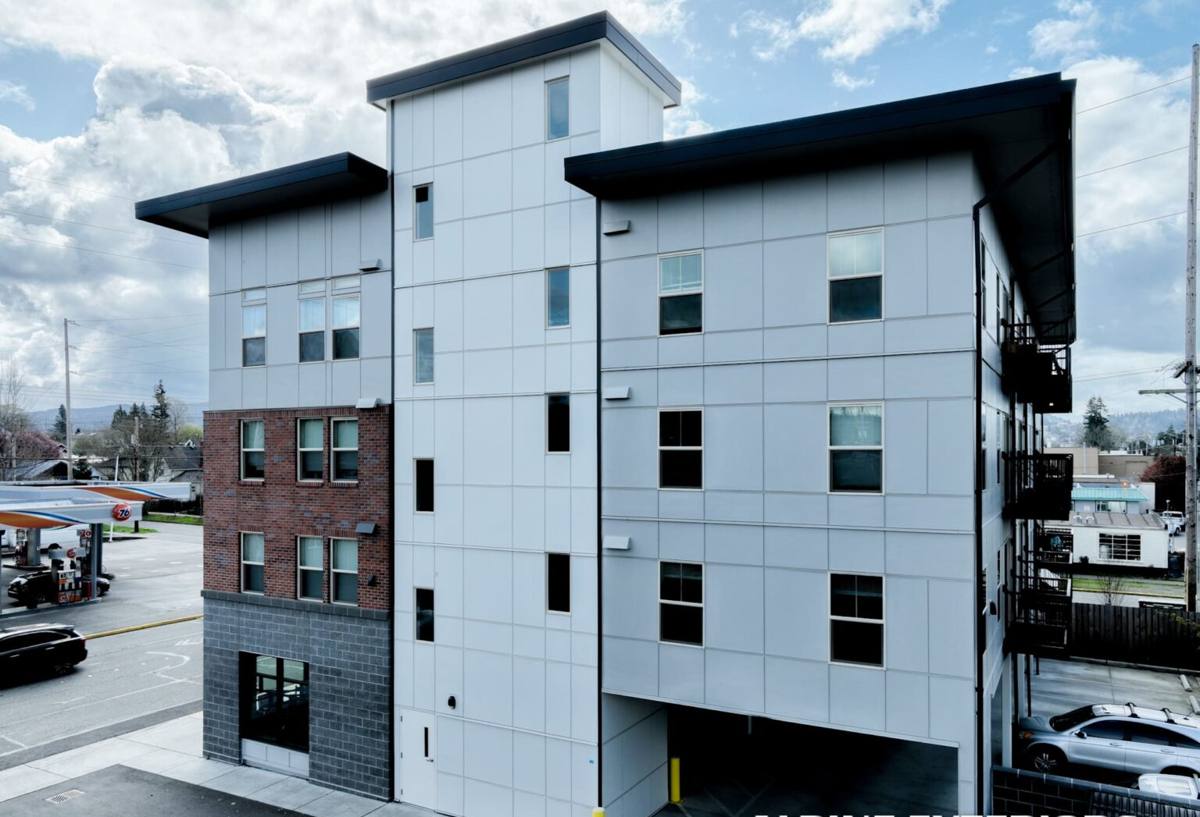
What This Climate Does to the Wrong Siding
Wind-Driven Rain and Hurricane Exposure
Wind-driven rain doesn't just hit siding — it gets forced sideways and upward into seams, laps, and fastener penetrations that were only ever designed to shed water falling straight down. During tropical storms and hurricanes, that pressure difference can push water behind panels that looked fine for years. Once moisture gets trapped behind siding, the problem usually isn't the siding surface — it's whatever is underneath it.
Year-Round UV and Heat
Florida doesn't give siding an off-season. Constant UV exposure breaks down pigments, coatings, and the surface of some siding materials faster than in cooler climates, which shows up as fading, chalking, or premature wear. Materials that rely on field-applied paint are especially exposed, since that finish is doing all the work of protecting the substrate underneath.
Humidity and Moisture Cycling
Between the afternoon storms, the humidity, and the heat, siding in this area spends a lot of time damp and a lot of time baking. Materials that absorb or swell with moisture go through repeated expansion and contraction, which stresses seams, fasteners, and paint film over time — even without a single named storm involved.
Salt Air Influence
New Tampa is inland, but Tampa Bay's salt air still reaches homes across Hillsborough County on prevailing winds. Combined with humidity, that salt exposure accelerates corrosion on fasteners and trim and adds to the general wear load on exterior materials.
Why We Install Only James Hardie Fiber Cement Here
We don't install vinyl, LP SmartSide, Cemplank, Allura, primed spruce, or cedar. That's not a marketing position — it's a decision we made after weighing how those products actually perform under years of Florida sun, storms, and humidity versus how James Hardie's fiber cement system performs.
Fiber cement is non-combustible and dimensionally stable, meaning it doesn't expand and contract with humidity the way wood-based products do. James Hardie's HZ5 product line is specifically engineered for climate zones like ours — hot, humid, and hurricane-exposed — rather than a one-size-fits-all product sold nationwide. For a New Tampa home, that engineering difference is the whole point.
ColorPlus Factory Finish
Most James Hardie siding we install uses the ColorPlus finish, which is baked on at the factory under controlled conditions rather than brushed or sprayed on site. That matters in this climate specifically because a factory finish resists UV fading and holds up to the moisture cycling described above far better than field-applied paint, and it comes backed by its own finish warranty separate from the substrate warranty.
What Correct James Hardie Installation Actually Involves
James Hardie makes a strong product, but the difference between siding that performs for decades and siding that fails in five years usually comes down to installation, not the material itself. Manufacturer specifications exist for a reason, and skipping them is the most common way a good product underperforms.
- Correct starter strip and clearance from grade, roofing, decks, and patios to avoid wicking moisture up into the panel
- Proper fastener type, spacing, and embedment — not just "close enough" nailing
- Weather-resistant barrier installed and lapped correctly behind the siding, not just under it
- Flush, sealed flashing at every window, door, and penetration so wind-driven rain has nowhere to enter
- Correct butt joint treatment and caulking at panel seams, sized for the expansion the manufacturer specifies
- Proper gapping and sealant at trim, corners, and transitions rather than sealing everything tight with no room to move
- Field-cut edges sealed per manufacturer instruction, especially at inside corners and rake edges
- Verification that fastener corrosion resistance matches the coastal-influenced environment
Every one of those items is specified by James Hardie for a reason, and every one of them is easy to shortcut if a crew is used to installing a different product, or installs Hardie infrequently. In a climate that tests siding as hard as this one does, those details are the difference between a 30-year warranty that actually holds and a callback in year three.
Our Process for a New Tampa Siding Project
1. On-Site Assessment
We walk the exterior, check the condition of what's currently there, and look at the specific exposures on your home — which elevations take the most sun, which take the most wind-driven rain, and where moisture damage is most likely to already exist behind the surface.
2. Scope and Product Selection
We go over which James Hardie profile and ColorPlus color fit the home and the neighborhood, and explain the trade-offs plainly — there's no upsell to a product we don't believe fits your project.
3. Tear-Off and Substrate Check
Old siding comes off and we inspect the sheathing underneath before anything new goes on. Covering up rot or hidden moisture damage with new siding just hides the problem — we address what we find before installation continues.
4. Weather Barrier and Flashing
This is the step that actually keeps water out, and it's invisible once the siding goes on. We install and lap the weather-resistant barrier and flashing to manufacturer spec at every window, door, and penetration.
5. Installation to Manufacturer Spec
Panels go up following James Hardie's fastening, clearance, and joint requirements — not a generalized "how we've always done it" approach carried over from a different siding product.
6. Final Inspection
We walk the finished job checking seams, caulking, trim, and clearances before we call it done.
Cost Factors for James Hardie Siding in New Tampa
Every home is different, but these are the factors that most affect the scope and cost of a Hardie siding project in this area:
| Factor | Why It Affects Cost |
|---|---|
| Home size and elevation count | More square footage and more corners, gables, and trim detail means more material and labor |
| Current siding removal | Tear-off of existing vinyl, wood, or damaged siding adds labor beyond a direct install |
| Substrate condition | Rotted or moisture-damaged sheathing found during tear-off needs repair before new siding goes on |
| Product line and profile | HardiePlank lap siding, HardieShingle, and HardiePanel carry different material and labor requirements |
| Trim and accessory scope | Corner boards, window trim, and fascia work add to the total scope |
| Home access and site conditions | Landscaping, fencing, and multi-story sections can affect labor time |
Why a Crew That Already Works New Tampa Matters
A crew that regularly works James Hardie installations in this part of Hillsborough County has already dealt with this area's specific mix of newer construction, HOA aesthetic requirements, and the wind and moisture exposures that come with our storm season. That familiarity shows up in small but real ways — knowing what inspectors here expect, knowing how to sequence a job around Florida's afternoon storm pattern, and knowing which details on a home's exposure need the most attention before hurricane season arrives.
It also matters because we install James Hardie and only James Hardie. A crew that splits its time between multiple siding brands is, by definition, not building the same depth of specialization in any one system's installation requirements. Our whole process is built around one product line, which means fewer surprises and fewer shortcuts.
Maintenance and Warranty Expectations
Correctly installed James Hardie siding with a ColorPlus finish is low-maintenance compared to painted materials — no repainting cycle driven by UV fading in a climate that doesn't let up. Normal upkeep is periodic washing to remove pollen, salt residue, and general grime, and a visual check of caulking and trim after major storms. James Hardie's product warranty and the ColorPlus finish warranty are both transferable, which is worth confirming in writing at the time of installation, along with documentation that installation followed manufacturer specification — that documentation is what protects a warranty claim later if it's ever needed.
If you're weighing a siding replacement or repair for a New Tampa home, we're happy to walk the property, explain what we see, and put together a straightforward, no-pressure estimate — just fill out the form below.