 Tampa Roofing
 Metal Roofing in New Tampa: Built for This Climate, Not Just Any Climate
New Tampa homes deal with a specific combination of stresses that a lot of roofing material simply wasn't designed around: long stretches of intense UV exposure, sudden and heavy afternoon thunderstorms, wind-driven rain that finds its way under poorly sealed edges, and the periodic threat of hurricane-force winds coming off the Gulf. Add in Hillsborough County's humidity, which never really lets a roof dry out completely, and you've got a set of conditions that will expose any shortcut in materials or installation within a few years.
Metal roofing, done correctly, holds up well against all of that. But "metal roofing" isn't one product — it's a category, and the difference between a system that lasts 40-plus years in this climate and one that fails early usually comes down to the details: panel type, fastening method, underlayment, and how the edges, penetrations, and transitions are handled. This page is about what that looks like specifically for homes in New Tampa.
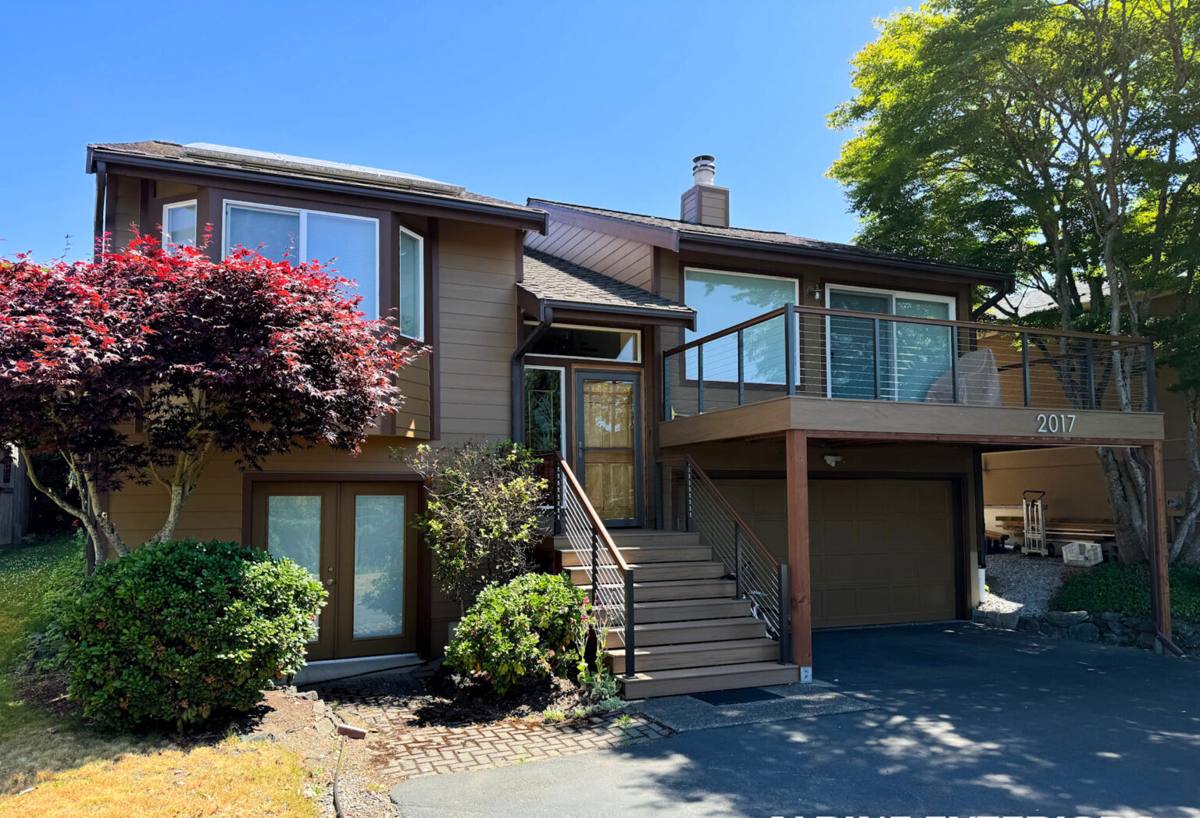
What New Tampa's Climate Actually Demands From a Roof
Wind
New Tampa isn't on the coast, but it's still well within the path of tropical systems that move through the Tampa Bay area most hurricane seasons. Wind uplift at the eaves, rakes, and ridge is where most metal roof failures start — not in the field of the roof, but at the edges where wind gets underneath a panel or trim piece that wasn't fastened to spec.
UV and heat
Florida sun is hard on any roofing material, and unshielded exposure over years will fade coatings and degrade sealants faster than in most parts of the country. Metal panels with a quality baked-on finish handle this far better than roofs relying on surface coatings that wear off, but the finish quality matters as much as the metal itself.
Wind-driven rain
Afternoon storms in this area don't fall straight down — they come in sideways. That means underlayment quality, panel overlap, and flashing detail around vents, skylights, and chimneys matter more here than in drier, calmer climates. A roof that would be fine in a mild rain climate can leak here if those details are cut short.
Humidity and moisture cycling
Hillsborough County's humidity means roof assemblies rarely get a chance to fully dry out. Trapped moisture under a metal roof — from poor ventilation or the wrong underlayment choice — can cause deck rot and fastener corrosion from underneath, even while the metal itself looks fine from the street.
What a Correct Metal Roof Installation Involves
A metal roof is only as good as the system underneath it. For New Tampa homes, we treat these as non-negotiable:
- Deck inspection and repair — any soft, rotted, or delaminated decking gets replaced before anything goes on top of it. Installing over a compromised deck just hides a problem that will resurface.
- High-quality underlayment — given how often this roof will see wind-driven rain, we use underlayment rated for that exposure, not a builder-grade minimum.
- Proper fastening for wind zone — fastener spacing and type are matched to the local wind load requirements, not a generic pattern from a different climate.
- Correct panel overlap and seam sealing — this is where water intrusion actually happens if it's going to happen.
- Flashing at every penetration and transition — vents, chimneys, skylights, valleys, and wall-to-roof transitions are where leaks start on almost every roof, metal or otherwise.
- Ventilation — balanced intake and exhaust ventilation keeps the attic from cooking in the summer heat and helps the roof assembly manage humidity instead of trapping it.
Panel Types and How They Fit New Tampa Homes
| Panel Type | Typical Use | Notes for This Climate |
|---|---|---|
| Standing seam | Whole-roof replacement, higher-end residential | Concealed fasteners reduce points of failure; strong wind and water performance; higher upfront cost |
| Exposed-fastener panels | Budget-conscious residential, accessory structures | Lower cost, but fasteners need periodic inspection since sealant washers can wear over time in this heat |
| Metal shingles/shakes | Homes wanting a traditional look with metal performance | Good option where architectural style calls for a shingle appearance; installation detail at overlaps is critical |
| Stone-coated steel | Homes wanting a tile or shake appearance | Heavier than standard panels; good impact resistance; verify structural compatibility on older homes |
We don't push one panel type as the answer for every home. The right choice depends on the roof's slope, the home's architecture, your budget, and how long you plan to own the home. We'll walk through the honest trade-offs for your specific roof rather than defaulting to whatever's easiest to install.
Coating and Finish Matters More Here Than People Think
In a climate with this much UV exposure, the paint or coating system on a metal panel does a lot of the long-term work. Lower-grade finishes chalk, fade, and can start to break down within a decade under constant Florida sun. Higher-grade finishes are formulated specifically to resist UV degradation and hold color longer. When we go through options with a homeowner, we're upfront about which finishes are built for this level of sun exposure and which are better suited to milder climates — it affects both appearance and how long the coating protects the metal underneath.
Common Failure Points We See on Metal Roofs in This Area
Most of the metal roof problems we get called out for in New Tampa trace back to a handful of recurring issues:
- Fasteners backed out or sealant washers degraded from heat cycling, allowing water entry at exposed-fastener panels
- Flashing that was undersized or improperly lapped at valleys and wall transitions
- Panels installed with insufficient overlap for the roof's actual slope and wind exposure
- Ventilation that was never balanced correctly, leading to heat buildup and moisture issues in the attic
- Edge and eave trim that wasn't fastened to withstand uplift, which is often the first thing that fails in a high-wind event
None of these are inherent flaws in metal roofing — they're installation shortcuts. This is why the crew doing the work matters as much as the material specified.
Our Process for New Tampa Metal Roof Projects
- On-site inspection — we assess the existing roof, deck condition, ventilation, and any problem areas before recommending a system.
- Honest scope and options — we explain panel types, coatings, and cost factors relevant to your roof specifically, not a one-size answer.
- Deck prep — any necessary repairs happen before installation starts, not discovered and rushed mid-project.
- Underlayment and flashing installation — the parts that don't show but determine whether the roof actually keeps water out.
- Panel installation — fastened and overlapped to spec for wind exposure common to this area.
- Final inspection — checking seams, flashing, fastening, and ventilation before we consider the job done.
Cost Factors Homeowners Should Understand
| Factor | Why It Affects Cost |
|---|---|
| Panel type | Standing seam runs higher than exposed-fastener panels due to labor and material |
| Roof complexity | Valleys, dormers, and multiple roof planes increase flashing and labor time |
| Deck condition | Rot or damage found during tear-off adds repair costs before installation can proceed |
| Coating grade | Higher-grade UV-resistant finishes cost more upfront but last longer under Florida sun |
| Ventilation upgrades | Adding or correcting attic ventilation during the reroof adds cost but pays off in roof and energy performance |
We give straightforward, itemized estimates so you can see what you're paying for and why — not a flat number with no explanation behind it.
Why Hiring a Crew That Already Works in New Tampa Matters
A contractor who works regularly in this part of Hillsborough County already knows the wind exposure realities, the humidity's effect on materials, and which installation details actually hold up here versus in a milder climate. That local experience shows up in the small decisions — fastener spacing, underlayment choice, flashing detail — that determine whether a metal roof performs for decades or starts causing problems in year five. It also means faster response if something needs a follow-up look after a storm, since we're not traveling in from outside the area.
Signs Your Current Roof May Be Ready for a Metal Upgrade
- Frequent granule loss or curling on an aging asphalt shingle roof
- Recurring leaks around penetrations despite repairs
- Visible fastener backout or rust streaking on an existing metal roof
- Rising cooling costs that may point to poor roof reflectivity or attic ventilation
- Storm damage that's prompting a full reroof rather than a patch
If you're weighing metal roofing for a New Tampa home, we're happy to take a look and walk you through what makes sense for your roof and budget — no pressure, no obligation. Use the form below to request a free estimate.