 Tampa Roofing
 Siding Built for New Tampa's Climate, Not Just Its Curb Appeal
New Tampa sits inland from the bay but still takes the full brunt of a Gulf Coast climate: long stretches of intense UV exposure, thick summer humidity, sudden downpours that come in sideways on a gust front, and the real possibility of hurricane-force wind during storm season. Most of the neighborhood's housing stock went up during a wave of master-planned community development, which means a lot of homes are wearing their original siding or a first replacement that's now aging out at roughly the same time. When that siding was vinyl, engineered wood, or a lower-grade composite, Hillsborough County's climate tends to expose its weaknesses faster than it would in a milder region.
Siding on a New Tampa home isn't decorative trim — it's the exterior's primary defense against moisture intrusion, UV degradation, and wind pressure. Get the material or the installation wrong, and problems show up as fading, warping, soft spots around windows, or panels that come loose in the next tropical system. Get it right, and the siding should be one of the lowest-maintenance parts of the house for decades.
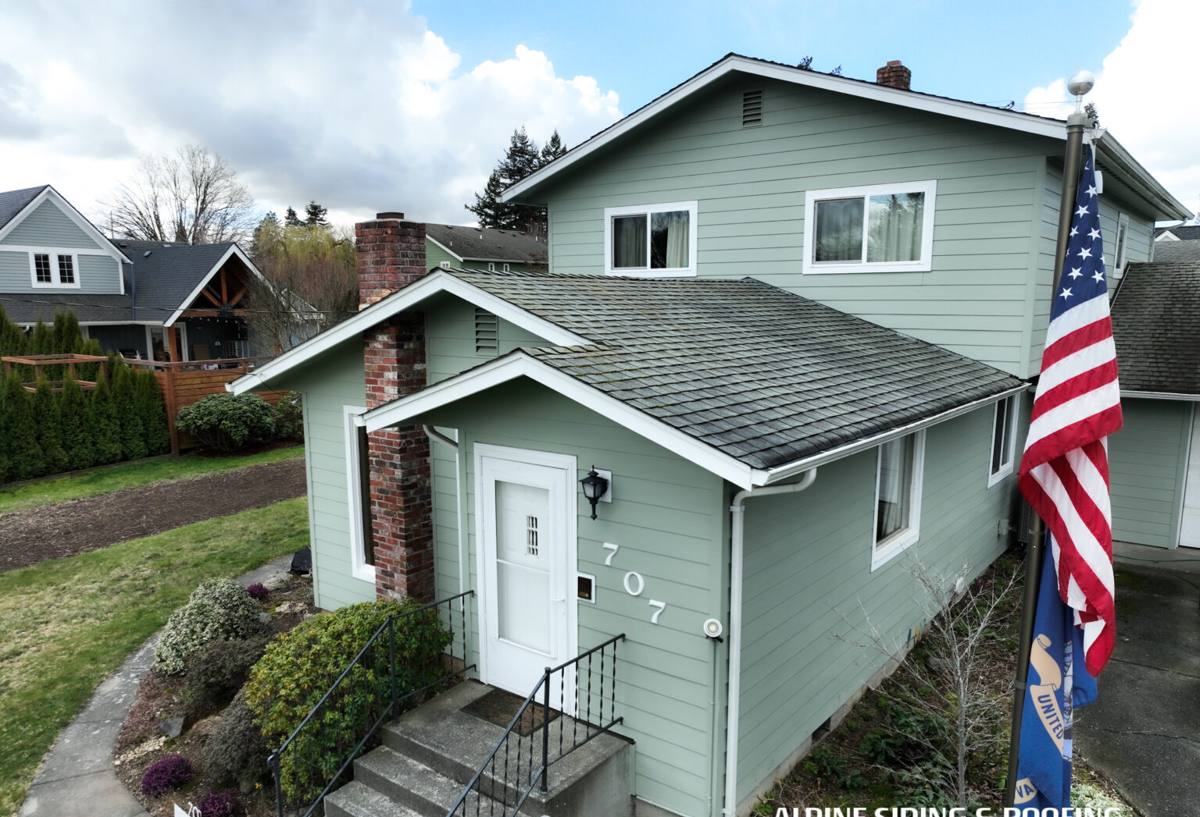
What Hillsborough County's Climate Actually Does to Siding
Year-Round UV Load
Tampa gets sun exposure most northern markets don't see even in peak summer. Paint and low-grade factory finishes chalk, fade, and lose adhesion faster under this kind of constant UV load. South- and west-facing walls take the worst of it, and mismatched fading between elevations is one of the most common complaints we hear about older siding jobs.
Humidity and Wind-Driven Rain
Afternoon storms in this area rarely fall straight down — wind pushes rain horizontally into walls, seams, and penetrations. Siding that isn't installed with the right clearances, flashing, and drainage plane will trap moisture behind it, and Florida's humidity means that trapped moisture doesn't dry out quickly. That's when you get swelling, delamination, or hidden rot in the sheathing behind the siding, long before the siding itself looks obviously bad from the curb.
Hurricane-Force Wind
New Tampa isn't waterfront, but it's still squarely inside Hillsborough County's wind zone and gets the same tropical storm and hurricane exposure as the rest of the Tampa Bay area. Siding that isn't rated and fastened for local wind pressure can lift, crack, or blow off in gusts well below a major hurricane's peak winds — and once one panel goes, wind gets behind the whole wall system.
Salt Air
Even set back from the water, prevailing coastal winds carry salt-laden air well inland across the Tampa Bay area. Salt accelerates corrosion on fasteners and trim and speeds up the breakdown of finishes that weren't engineered to resist it.
Why We Install Only James Hardie Fiber Cement Siding
We made a deliberate decision to install James Hardie fiber cement exclusively — not vinyl, not LP SmartSide or other engineered wood products, not primed spruce or cedar. That's not a marketing position; it's a response to what we consistently see this climate do to the alternatives.
Vinyl siding is affordable and easy to install, and in milder climates it holds up reasonably well. In Tampa's UV and heat, though, vinyl tends to fade, warp, and become brittle years faster than it would up north, and it isn't rated for the same wind pressures as fiber cement. Engineered wood products like LP SmartSide use wood strand cores that are stronger than old-style hardboard, but any wood-based siding is still more sensitive to sustained moisture exposure than fiber cement — and sustained moisture is exactly what a humid, storm-prone climate delivers. Primed spruce or cedar require the most ongoing maintenance of all: regular repainting, caulking, and inspection to keep water out, which is a hard ask in a climate this aggressive.
James Hardie fiber cement is non-combustible, dimensionally stable in heat and humidity, and comes with a factory-applied ColorPlus finish that's baked on and warrantied against fading in a way field-applied paint isn't. Hardie also engineers specific product lines for humid climates — its HZ10 formulation is built for exactly the conditions Central Florida sees. When it's installed to manufacturer spec, it's the product we're comfortable putting our name behind for a New Tampa roof line.
| Siding Material | Wind/Impact Performance | Moisture Behavior | Maintenance | Typical Lifespan Here |
|---|---|---|---|---|
| James Hardie fiber cement | Engineered for high wind zones; rated fastening patterns | Dimensionally stable; resists swelling and rot | Occasional wash; ColorPlus finish holds color | 30-50 years |
| Vinyl | Lower wind rating; can crack or blow off in gusts | Doesn't rot, but traps moisture behind if installed poorly | Low, but fades and becomes brittle in UV | 15-25 years |
| Engineered wood (LP SmartSide, etc.) | Decent when new, spec-dependent | Vulnerable to prolonged moisture exposure at seams/cuts | Moderate; edge sealing and inspection matter | 20-30 years |
| Primed wood (spruce/cedar) | Weakest wind performance untreated | Most moisture-sensitive; prone to swelling and rot | High; repainting and caulking every few years | 15-25 years with upkeep |
What a Correct Siding Installation Actually Involves
The siding material only performs as well as the installation behind it. Most of the failures we get called out to inspect on other companies' work trace back to shortcuts in the parts you can't see once the job is finished.
The Weather-Resistive Barrier
Before any siding goes up, the wall needs a properly lapped and sealed weather-resistive barrier. In a climate with this much wind-driven rain, gaps or improperly overlapped seams here are where water gets behind the siding, no matter how good the siding itself is.
Flashing and Drainage
Windows, doors, and any wall penetration need flashing detailed to shed water outward, not into the wall cavity. Fiber cement planks need a drainage gap and weep path so any incidental moisture that does get behind the siding can escape instead of sitting against the sheathing.
Clearances
Hardie's own installation specs call for minimum clearances from grade, roof lines, decks, and other abutting surfaces. Siding installed tight to a patio slab or a roof deck without the required gap will wick moisture and fail early, regardless of the product.
Fastening for Wind
Fastener type, spacing, and embedment all change based on local wind exposure. A crew that treats Hillsborough County the same as a low-wind inland market is under-fastening for the pressures this area actually sees.
Joints and Caulking
Butt joints, corners, and trim need to be sealed with a product compatible with fiber cement and rated for exterior exposure — and sealed in a way that still allows the assembly to shed water rather than trap it.
How Our Process Works
- On-site assessment. We inspect the existing siding, sheathing, and wall assembly, not just the surface. Soft spots, prior water damage, and window/door flashing condition all get checked before we quote anything.
- Scope and product selection. We walk you through the relevant Hardie product line, plank profile, and ColorPlus color options for your home, and explain what's involved in the specific installation your walls need.
- Written estimate. You get a clear scope of work — what's being removed, what's being repaired underneath if needed, and what's going up — before any work starts.
- Prep and repair. Any compromised sheathing or framing found once old siding comes off gets addressed before new siding goes on. Covering up a moisture problem is how New Tampa homeowners end up with the same failure twice.
- Installation to manufacturer spec. Weather barrier, flashing, clearances, fastening pattern, and joint sealing are all done to Hardie's published requirements for this wind and moisture exposure.
- Final walkthrough. We go over the finished job with you, including care guidance and what the warranty covers going forward.
Why Hiring a Crew That Already Works in New Tampa Matters
Siding installation quality depends heavily on details that are specific to where the house sits, not just the product going on the wall. A crew that regularly works New Tampa and the broader Tampa Bay area already knows the wind exposure category the area falls under, the permitting expectations from the county, and the kind of moisture problems that show up on homes of a given age and construction type here. That familiarity shows up in fewer surprises mid-project and fewer callbacks after storm season.
Many New Tampa neighborhoods are part of planned communities with architectural review or HOA guidelines governing exterior changes, including siding color and style. A contractor unfamiliar with that process can slow a project down or create friction with your association; one who's done it before knows what documentation and lead time to plan for.
Local experience also means faster access to the specific Hardie planks, trim, and ColorPlus colors that are actually stocked for this market, rather than delays waiting on special orders.
Signs Your Siding Needs Attention
- Visible warping, buckling, or panels that look wavy from a distance
- Soft or spongy spots when you press on the siding near the bottom of walls or under windows
- Cracked, chalky, or unevenly faded paint, especially on south- and west-facing walls
- Gaps opening up at seams, corners, or where siding meets trim
- Peeling paint or bubbling on interior walls that back up to exterior siding — often a sign of moisture intrusion
- Visible mold, mildew, or staining that keeps returning after cleaning
- Siding that moved, cracked, or came loose during the last storm season
Cost Factors for a New Tampa Siding Job
| Factor | Why It Affects Cost |
|---|---|
| Home size and wall complexity | More square footage and more corners, gables, and dormers mean more material and labor |
| Condition of the sheathing underneath | Rot or water damage found during tear-off requires repair before new siding can go on |
| Plank profile and trim details | Lap width, trim style, and accent details all affect material and install time |
| ColorPlus finish selection | Factory-finished color options vary in cost from standard field-painted trim |
| Access and site conditions | Landscaping, fencing, or tight lot lines can add labor time |
| HOA or design review requirements | Some communities require approved color/style selections before work can start |
Maintenance and Warranty
One of the practical advantages of James Hardie fiber cement in this climate is how little it asks of you afterward. A periodic rinse to clear off pollen, salt residue, and grime is typically all that's needed — there's no repainting cycle the way there is with wood siding. Hardie backs its fiber cement with a long-term limited warranty, and the ColorPlus finish carries its own separate finish warranty, both of which are only meaningful if the installation itself was done to spec. That's part of why correct installation isn't optional in a climate this demanding — it's what makes the warranty coverage actually hold up if you ever need it.
Get a Straightforward Estimate
If your New Tampa home's siding is aging, showing storm damage, or you're planning ahead of the next hurricane season, we're happy to take a look and give you an honest read on what it needs. There's no pressure and no obligation — just a clear assessment and a written estimate for James Hardie siding installed to hold up in this climate. Use the form below to get started.