 Tampa Roofing
 Window Replacement Built for New Tampa's Climate
New Tampa homes take a beating that homeowners further inland rarely deal with. Between summer thunderstorms that roll in almost daily, hurricane season pressure swings, and sun exposure that runs nearly year-round, windows here age faster than the manufacturer's brochure suggests. A window that's rated for a mild climate somewhere else is not automatically the right choice for a home in Hillsborough County. Replacement here isn't just about swapping out an old unit for a new one — it's about matching the frame, glass, and installation method to what this specific climate does to a house over ten, twenty, and thirty years.
This page covers what actually matters for window replacement in New Tampa: what the climate does to windows, what Florida code requires, how to pick the right product for your home, and what a correct installation looks like from start to finish.
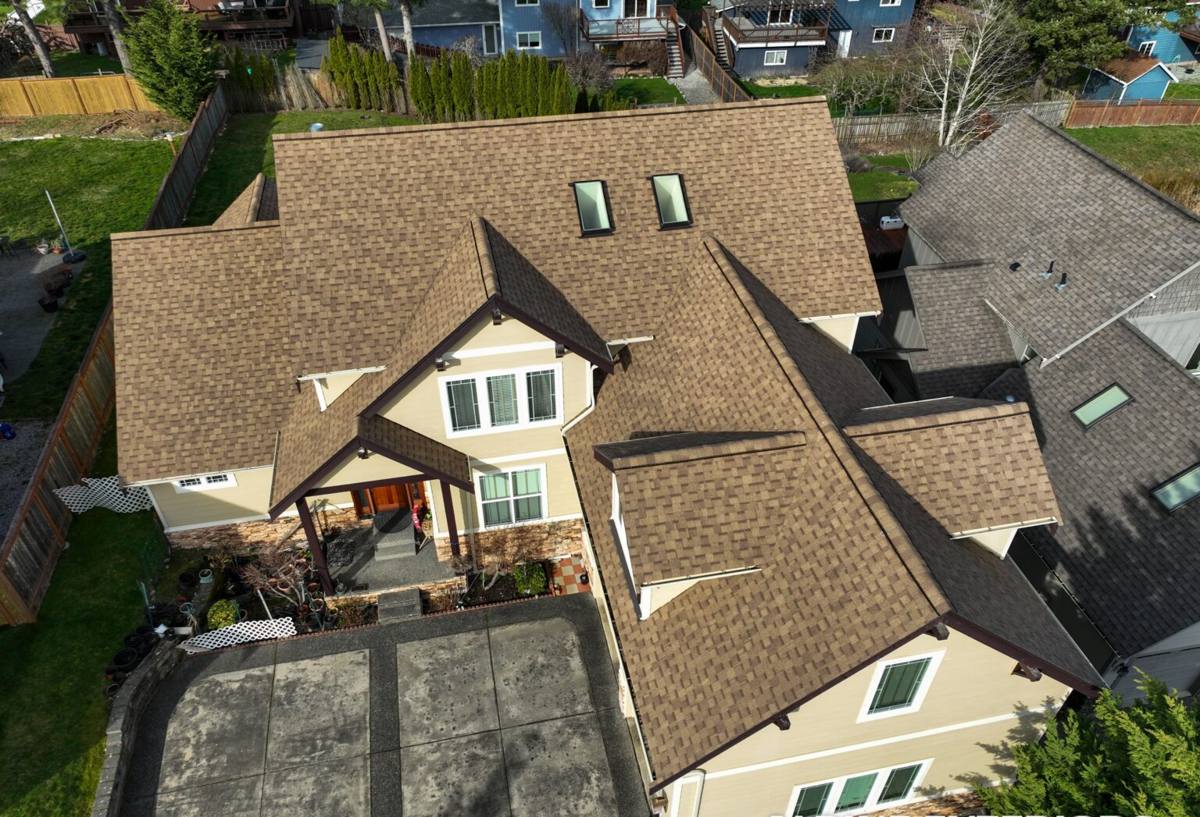
What Hillsborough County's Climate Does to Windows Over Time
UV and Heat
Florida sun is intense and consistent. Ordinary glass and cheaper vinyl frames break down under sustained UV exposure — seals dry out, vinyl can warp or discolor, and interior finishes fade faster than homeowners expect. Heat gain through old or poorly rated glass also pushes air conditioning costs up, which matters in a region where cooling runs most of the year.
Wind-Driven Rain
Tampa-area storms don't just drop rain — they drive it sideways under enough pressure to find any weak point in a window's seal or flashing. A window that looks fine from the outside can still be letting water into the wall cavity behind it, which leads to hidden rot and mold long before anyone notices a stain.
Hurricane Pressure Cycling
Even when a storm doesn't make direct landfall, Hillsborough County regularly sees tropical systems that put sustained wind loads and rapid pressure changes on a home's envelope. Windows that are aging, poorly sealed, or not rated for the local wind zone are one of the more common failure points during these events — and a failure at one window can compromise the whole structure's pressure balance.
Salt-Laden Air
New Tampa sits inland from the Gulf, but Tampa Bay's salt-influenced air still moves through the region, especially during onshore weather patterns. Over years, that exposure contributes to corrosion on lower-grade hardware, hinges, and fasteners — another reason material quality matters more here than it would in a drier, non-coastal climate.
Florida Building Code and What It Means for Your Replacement
Hillsborough County is not part of Florida's High-Velocity Hurricane Zone (that designation applies to Miami-Dade and Broward counties), but it does fall under the Florida Building Code's wind-borne debris region requirements. In practical terms, that means new and replacement windows here have to meet specific wind-load and impact standards, and the work typically requires a permit and inspection — it's not a job you can treat as simple cosmetic work.
- Replacement windows must carry a wind-load rating appropriate to your home's location and exposure category.
- Homes in the wind-borne debris region generally need either impact-rated glass or an approved protective covering (like code-rated shutters) for openings.
- Permits and inspections apply to most window replacement work — skipping this step can create problems later at resale or with insurance.
- Products used should carry current Florida Product Approval or Miami-Dade NOA documentation, even outside the HVHZ, since it's a reliable proof of testing.
A crew unfamiliar with these requirements may sell you a window that looks right but isn't actually approved for your zone. That's a problem you don't discover until a permit gets flagged or, worse, until a storm tests it.
Choosing the Right Window for a New Tampa Home
There's no single "best" window — the right choice depends on your home's exposure, your budget, and how much of the storm-protection burden you want the glass itself to carry versus shutters or panels. Here's how the common frame materials compare for this climate:
| Frame Material | Heat & UV Performance | Maintenance | Typical Trade-Off |
|---|---|---|---|
| Vinyl (quality-grade) | Good insulator, doesn't conduct heat | Low — no painting or sealing needed | Can soften or warp over decades under constant sun if it's a lower-grade product |
| Aluminum | Strong but conducts heat/cold readily | Low, but hardware can corrode over time near the Bay | Slim sightlines and strength, at the cost of thermal efficiency |
| Fiberglass | Excellent — stable in heat, low expansion/contraction | Low | Higher upfront cost than vinyl |
| Wood/wood-clad | Good insulator | Highest — needs ongoing sealing and inspection in humid climates | Classic appearance, but more upkeep in Florida's humidity |
Glass Packages
For most New Tampa homes we recommend impact-rated laminated glass with a Low-E coating. The lamination is what protects the opening from wind-borne debris, while the Low-E coating cuts heat gain and UV transmission — which shows up directly in your cooling bills. Homeowners who already have code-rated shutters or panels sometimes choose non-impact glass instead, which can lower upfront cost, but it means someone has to actually deploy the protection before every storm. That's a real trade-off worth thinking through honestly, not a decision to make on price alone.
What a Correct Window Replacement Installation Involves
The window unit itself is only part of the job. Most window failures we see in this climate trace back to installation shortcuts, not product defects. A correct installation includes:
- Removing the old unit down to the rough opening and inspecting the framing and sill for hidden water damage or rot before anything new goes in.
- Correcting any substrate damage found — installing over a compromised opening just hides the problem behind new trim.
- Installing proper flashing, integrated with the home's existing weather-resistive barrier, so water is directed out and away from the wall cavity.
- Setting the window level, plumb, and square, then securing it per the manufacturer's tested installation instructions — the fastening schedule matters as much as the window's rating.
- Sealing with the correct backer rod and sealant at all sides, sized for expansion and contraction.
- Verifying operation, drainage, and a clean, finished interior and exterior trim-out.
- Pulling the required permit and scheduling the county inspection before the job is called complete.
Skipping any one of these steps can leave a technically "code-rated" window performing far below its rating once it's actually in your wall.
Our Process for New Tampa Window Replacement
- On-site assessment. We look at each opening individually — sun exposure, wind exposure, existing frame condition, and any water intrusion history matter more than a generic estimate over the phone.
- Product recommendation. We walk through frame and glass options based on your home, your budget, and your storm-protection preferences, not a one-size push toward the highest-margin product.
- Permitting. We handle the Hillsborough County/City of Tampa permit paperwork so the job is documented and inspection-ready from day one.
- Installation. Each opening is prepped, flashed, set, and sealed to manufacturer specification — not just caulked and trimmed over.
- Inspection and walkthrough. We schedule the required inspection and walk the finished work with you before considering the job done.
Signs Your New Tampa Home Needs Window Replacement
- Condensation or fogging between panes — a sign the seal has failed and the insulating gas is gone.
- Windows that are difficult to open, close, or lock, especially after humid weather.
- Visible daylight or a draft around the frame when the window is closed.
- Soft wood, staining, or a musty smell in the wall or sill area near a window.
- Frames that are original to a home built before current wind-load codes took effect.
- Noticeably higher cooling bills without another clear explanation.
What Affects the Cost of a Window Replacement Project
| Factor | How It Affects Cost |
|---|---|
| Number and size of openings | Larger and more numerous windows increase material and labor time |
| Impact-rated vs. non-impact glass | Impact-rated laminated glass costs more upfront but removes the need for separate storm protection |
| Frame material | Vinyl is typically the most economical; fiberglass and wood cost more |
| Existing framing condition | Hidden rot or water damage found during removal adds repair work before the new window can go in |
| Permitting and inspection | A fixed cost of doing the work correctly and legally in Hillsborough County |
We give straightforward, itemized estimates rather than a single vague number, so you can see exactly what you're paying for and where you have options to adjust scope or product tier.
Why It Matters to Hire a Crew That Already Works in New Tampa
Window replacement rules, wind zones, and permitting offices are local. A crew that regularly works in Hillsborough County already knows the county's inspection process, what documentation the permit office expects, and how local exposure conditions should factor into product selection — that's not something a contractor coming from outside the area picks up on their first job here. It also means faster scheduling for follow-up service, warranty questions, or storm-season prep, since we're not driving in from across the state.
If you're weighing whether it's time to replace aging windows or want a straight answer on what your home actually needs for this climate, we're happy to take a look. Fill out the form below for a free, no-pressure estimate — we'll walk your home, answer your questions honestly, and give you options instead of a sales pitch.