 Tampa Roofing
 Composite Decking Built for Riverview's Climate
Riverview sits in the humid subtropical belt of Hillsborough County, which means any deck here spends its life fighting the same three things: sun, moisture, and wind. Summers bring long stretches of intense UV exposure that fades and dries out untreated wood. The wet season brings wind-driven rain that finds its way into every gap in a poorly flashed ledger board. And when a tropical system or hurricane-force wind event pushes through the Tampa Bay area, a deck that wasn't fastened and braced correctly is one of the first outdoor structures to fail. Composite decking doesn't fix bad structural work by itself, but paired with a correctly built frame, it holds up to this climate far better than untreated lumber.
We work on homes throughout the Riverview area regularly, and the decks we get called to repair almost always fail for the same reasons: fasteners that weren't rated for coastal humidity, a ledger attached without proper flashing, or joist spacing that wasn't tightened up for composite board spans. None of that is a knock on composite as a material — it's a knock on installs that treated it like a drop-in replacement for wood without adjusting the details that actually matter in this climate.
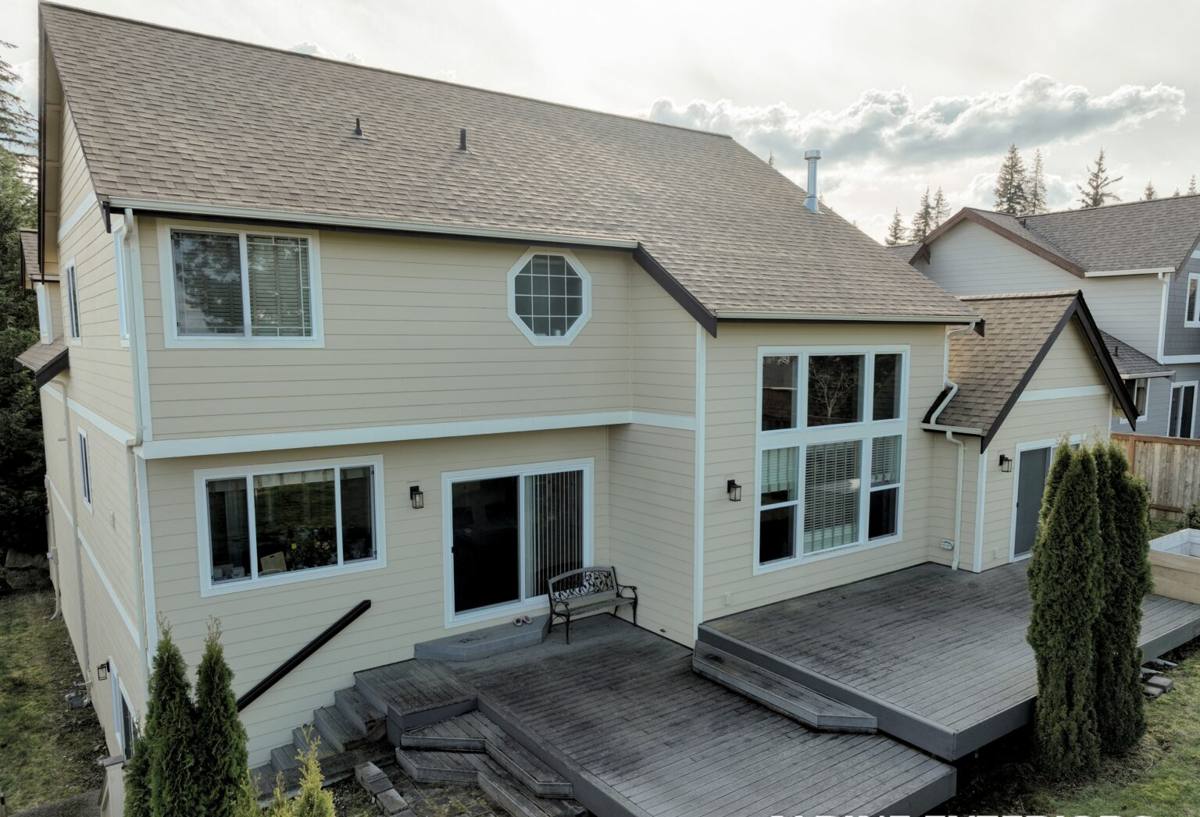
What Riverview Homes Actually Need From a Deck
Moisture Management First
Hillsborough County's humidity doesn't take a break, and afternoon storms are a near-daily feature for months at a time. A deck built on grade or close to it needs proper drainage under the structure, joist tape or another moisture barrier on the top of every joist, and enough airflow underneath to keep the substructure from staying damp for days after a storm. This matters even more for composite boards, since trapped moisture under a capped board can encourage mold and mildew growth on the substructure even though the board surface itself resists it.
Wind Resistance Second
Any deck attached to a house in this region needs hardware rated for the wind loads Hillsborough County code requires — hurricane ties or engineered connectors at the ledger, proper joist hangers rather than toe-nailed joists, and railing posts anchored well past a cosmetic screw pattern. A composite deck surface is only as strong as the frame under it, and that frame is what actually keeps the structure in place during a wind event.
UV and Heat Stability Third
Composite boards vary a lot in how they handle constant Florida sun. Lower-grade or uncapped composite can fade, chalk, or soften over years of direct UV exposure. Capped composite boards with a UV-stabilized outer layer hold color and surface integrity far longer, which matters on a deck that's going to see full sun exposure most of the year in Riverview's climate.
What a Correct Composite Deck Installation Involves
A composite deck is a system, not just a set of boards. Doing it right in this region means paying attention to details that a lot of quick installs skip:
- A ledger board properly flashed and through-bolted to the house structure, not lag-screwed into siding
- Joist hangers and hardware rated for coastal/high-humidity exposure, not standard interior-grade fasteners
- Joist spacing tightened to the composite manufacturer's span rating — composite typically needs closer spacing than wood
- A ventilation gap and drainage path under the deck so water doesn't pool against footings or joists
- Hidden fastener systems or manufacturer-specified screws that account for thermal expansion in composite boards during hot Florida days
- Post footings sized and set to local frost-free depth and wind-load requirements, not just "deep enough to look solid"
- Proper gapping between board ends for expansion, since composite moves more than people expect in extreme heat
Skipping any one of these doesn't usually cause an immediate problem — it causes a problem two or three years in, after a few named storms and a few summers of expansion and contraction have worked on it.
Comparing Composite Options for a Riverview Deck
| Factor | Uncapped Composite | Capped Composite |
|---|---|---|
| UV Fade Resistance | Moderate — fades faster under constant Florida sun | Strong — outer cap layer is UV-stabilized |
| Moisture/Mildew Resistance | Can absorb some moisture at cut edges | Better sealed against humidity and algae growth |
| Upfront Cost | Lower | Higher |
| Long-Term Maintenance | Occasional cleaning, may need edge sealing | Minimal — periodic washing |
| Warranty Structure | Typically shorter, more limited | Typically longer, covers fade and stain more fully |
We generally recommend capped composite for Riverview installs because the extra upfront cost is offset by less maintenance and better performance against sun and humidity over the life of the deck. That said, budget and use case matter — a shaded deck under mature tree cover doesn't take the same UV beating as one in full afternoon sun, and we'll talk through that honestly during an estimate rather than upselling a product a given yard doesn't need.
Our Process for a Riverview Composite Deck
1. On-Site Assessment
We look at the actual site conditions — sun exposure, drainage, existing structure if it's a rebuild, and how the deck ties into the house. Riverview lots vary in grading and drainage, so this step actually changes the plan more often than people expect.
2. Design and Material Selection
We walk through board options, railing systems, and layout based on how the space will actually be used, not just what looks good in a catalog photo.
3. Permitting
Deck construction in Hillsborough County typically requires a permit, and inspections check structural connections and footing depth. We handle that process rather than leaving it on the homeowner.
4. Build
Footings, framing, hardware, and flashing go in first — this is the part of the job that determines how the deck performs in a storm, long before the first composite board is laid.
5. Decking and Finish Work
Boards, railing, and any fascia or skirting go on last, with fastener spacing and gapping set for Florida's heat swings.
6. Final Walkthrough
We go over the finished deck with the homeowner, including basic care and what to expect from the material over time.
Mistakes We See on Existing Decks in the Area
When we're called out to repair or replace an older deck in Riverview, the same issues show up repeatedly:
- Ledger boards attached directly through siding without flashing, leading to hidden water damage behind the house wall
- Joist spacing built for wood, then composite boards installed on top without adjusting for the wider span
- Standard interior screws or nails used instead of coated, corrosion-resistant fasteners
- No ventilation gap under low decks, trapping humidity against the frame year-round
- Railing posts attached with surface screws instead of through-bolted connections capable of handling wind load
None of these are visible from the surface when the deck is new. They show up as soft spots, rust streaks, or a railing that wobbles a few years down the line — usually right after the kind of wind event that Tampa Bay sees on a regular basis.
Maintaining a Composite Deck in Hillsborough County Humidity
Composite decking is genuinely lower-maintenance than wood, but "low-maintenance" isn't "no-maintenance" in this climate. Pollen, oak tannin, and humidity combine to grow surface algae and mildew faster here than in drier regions. A periodic wash with a soft-bristle brush and a mild cleaner keeps boards looking right and prevents buildup from becoming a slip hazard on a wet deck. Keeping gutters and downspouts directing water away from the deck footprint also matters more here than in drier climates, since standing water near footings during the wet season is a common source of long-term settling issues.
Why a Crew That Already Works Riverview Makes a Difference
A deck built by a crew unfamiliar with local conditions can look identical to one built correctly — until the first major storm season or the first few years of full Florida sun expose the shortcuts. Working regularly in Riverview and the wider Tampa area means we already know the drainage patterns common to the area's lots, the wind-load expectations Hillsborough County inspectors look for, and which hardware actually holds up against this level of humidity rather than looking fine on installation day and corroding within a couple of seasons. That familiarity shows up in decisions made before a single board is cut — footing depth, hardware grade, ledger flashing — not just in the finished look.
If you're weighing options for a new deck or need an honest look at whether an existing one is holding up the way it should, we're happy to come take a look. Fill out the form below for a free, no-pressure estimate.