 Tampa Roofing
 New-Construction Windows Are a Different Job Than Replacement
"New-construction window" isn't a marketing term — it describes a specific product and a specific installation method. These windows have a nailing fin (also called a flange) around the frame that gets fastened directly to the wall sheathing before the house wrap, stucco, or siding goes on. That's different from a replacement or "pocket" window, which gets inserted into an existing frame after the exterior finish is already in place. If you're building new in Riverview, doing an addition, or replacing a window during a stucco or siding job that's already open to the studs, you want a crew that treats this as a new-construction install, not a retrofit.
The distinction matters because the two jobs fail in different ways. A replacement window that leaks usually has a caulk or sealant problem. A new-construction window that leaks almost always has a flashing or sequencing problem — something was installed out of order, and now water has a path behind the wall. That's a much bigger repair.
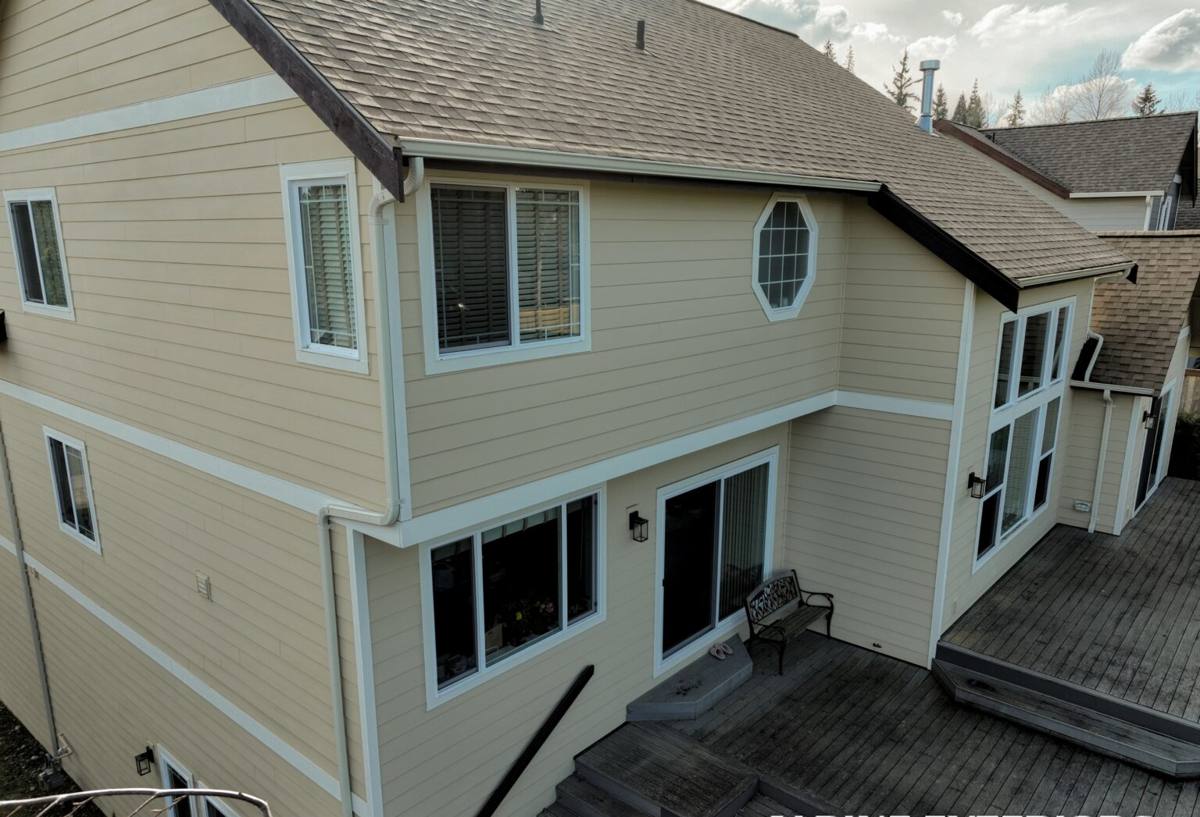
What Riverview's Climate Actually Demands
Riverview sits in Hillsborough County, inland from Tampa Bay along the Alafia River corridor, but it still gets the same weather the rest of the Tampa Bay area deals with every year: hurricane-force wind events, intense year-round UV exposure, and heavy wind-driven rain during summer storms and tropical systems. Homes closer to the bay also pick up salt-laden air, which accelerates corrosion on hardware and fasteners over time.
For a new-construction window, that combination means three things have to be right from day one, because they're nearly impossible to fix later without pulling the window:
- Wind resistance — the frame, glass, and anchoring have to meet Florida Building Code wind load requirements for the site's design pressure, not just "feel sturdy."
- Water management — flashing has to shed wind-driven rain outward and downward even when rain is being pushed sideways into the wall, not just falling straight down.
- UV and heat durability — frame materials, seals, and low-E glass coatings need to hold up to sustained Florida sun without warping, yellowing, or losing their seal.
Skip any one of these during the rough-in stage of construction, and the problem doesn't show up as a drafty window — it shows up as rot, mold, or a stucco crack a year or two later.
Florida Building Code and Wind-Borne Debris Considerations
Hillsborough County is not designated High-Velocity Hurricane Zone (that's Miami-Dade and Broward), but it is within the state's wind-borne debris region, and the Florida Building Code sets minimum wind pressure and, in many cases, impact resistance requirements based on your specific site, elevation, and exposure category. That means the correct window spec for a Riverview home isn't a single generic answer — it depends on the home's design pressure rating, which your builder or a licensed contractor pulls from the code tables or an engineer's calculation for the lot.
This is also where shutters or panels come into the conversation. If a window isn't impact-rated, code typically requires it to be protected by an approved shutter system. Many homeowners choose impact-rated glass instead specifically to avoid the hassle of deploying and storing shutters every storm season — that's a legitimate trade-off to weigh, not a requirement in every case.
Permits and Inspection
New-construction window installs in unincorporated Hillsborough County or the City of Tampa go through permit review and inspection, whether they're part of a new home build or a mid-construction swap. A contractor who pulls the permit correctly and schedules the inspection at the right point in the build (after the window is set and flashed, before it's covered by exterior finish) saves you from the headache of an inspector asking to open up finished work later.
What a Correct Install Actually Involves
The window itself is only part of the job. The flashing and sequencing around it are what keep water out for the next twenty-plus years. A correct new-construction install, done in the right order, looks like this:
- Rough opening checked for square, level, and correct size before the window ever arrives on site.
- Sill pan flashing installed first, sloped to drain outward, so any water that gets past the window has somewhere to go besides the framing.
- Window set, shimmed for square and plumb, and fastened through the nailing fin per the manufacturer's fastening schedule — not just a few nails wherever convenient.
- Side and head flashing tape applied in the correct shingle-lap order (sides before head) so water always sheds over the layer below it, never under.
- Integration with the house wrap or weather-resistive barrier, taped and lapped so the whole wall assembly works as one continuous water barrier.
- Interior and exterior sealant applied at the specified joints only — over-sealing can trap moisture instead of releasing it.
Every step in that sequence exists because Florida gets wind-driven rain, not just vertical rain. Skip the sill pan, reverse the flashing lap order, or rely on caulk to do a flashing detail's job, and the window will look fine for months before a problem shows up inside the wall.
Frame and Glass Options — What We Recommend and Why
For new-construction homes in the Riverview area, the frame material and glass package should match both the budget and how exposed the home is to sun and storm. Here's how the common options stack up:
| Option | Best for | Trade-offs |
|---|---|---|
| Impact-rated vinyl | Most new-construction homes; good balance of cost and storm protection | Slightly bulkier sightlines than aluminum; quality varies a lot by manufacturer |
| Impact-rated aluminum | Larger openings, modern architectural styles | Higher cost; conducts more heat unless thermally broken |
| Non-impact + code shutters | Budget-conscious builds where shutter storage/deployment is acceptable | Lower upfront cost, but adds a manual task before every storm |
| Low-E insulated glass | Every option above — this is a glass coating, not a frame type | Slightly higher glass cost, pays back in cooling costs under constant Florida sun |
We spec low-E glass on nearly every job regardless of frame material, because the UV and heat load in this part of Florida is constant, not seasonal. As a matter of our own installation standards, we're selective about which vinyl product lines we install — some lower-cost extrusions don't hold their shape or seal integrity under years of direct Florida sun, and we'd rather steer a homeowner toward a frame we know performs than install something that looks fine on day one.
Our Process for Riverview New-Construction Jobs
Whether we're working directly with a homeowner on a custom build or as a sub to a general contractor, the process runs the same way:
- Plan review: we look at the elevations and window schedule before ordering anything, checking sizes against the rough openings and confirming the wind pressure rating required for the site.
- Product selection: we walk through frame and glass options against your budget and how exposed the home is (open lot vs. shaded, closer to the bay vs. further inland).
- Coordination: on new builds, window install has to happen at the right point in the framing schedule — too early and the opening isn't ready, too late and it holds up the dry-in. We coordinate directly with the builder's schedule.
- Install and flashing: done to the sequence above, with photos taken of the flashing before it gets covered, so there's a record of what's behind the wall.
- Inspection: we schedule and stand for the required inspection so nothing has to be reopened later.
Mistakes We See on Local New-Construction Jobs
Most of the window problems we get called to fix on newer Riverview homes trace back to a handful of repeat issues: flashing tape lapped in the wrong order, sill pans skipped entirely because "the window has its own weep holes," fasteners driven through the fin at the wrong spacing so the frame can flex under wind load, and sealant used to cover a flashing mistake instead of fixing it. None of these show up on a walkthrough. They show up as a water stain on drywall a year or two after move-in, or a soft spot in the stucco around a window.
What to Ask Before You Hire
- Do you pull the permit and stand for the flashing/rough-in inspection yourselves?
- What's your fastening schedule for the nailing fin, and does it match the manufacturer's spec?
- What wind pressure rating are you specifying for this lot, and how was it determined?
- Do you install sill pan flashing on every opening, or only on some?
- Can you show me the flashing sequence before it's covered by stucco or siding?
Why Local Experience on Riverview Homes Matters
Riverview has grown fast, with a mix of production-built subdivisions and custom homes, and builders in this area use a fairly consistent set of framing and stucco practices. A crew that already works these neighborhoods knows the typical rough opening tolerances, how the local building department likes flashing documented, and which product lines hold up under this specific stretch of Tampa Bay weather versus which ones cause callbacks. That familiarity shows up as fewer surprises mid-install and fewer change orders once the window's already ordered and on site.
If you're building new, adding on, or coordinating windows for a construction project in Riverview, we're happy to take a look at your plans and walk through options at no cost and no pressure — just fill out the form below to get started.