 Tampa Roofing
 New Roof Installation in Riverview
Riverview has grown fast over the past two decades, and that growth means a lot of roofs in this part of Hillsborough County are now hitting the age where a repair stops making financial sense and a full replacement takes over. Whether your home is an older property near the historic core of Riverview or a newer build in one of the area's many subdivisions, the roof over your head has to deal with the same conditions every other roof in the Tampa Bay area deals with: long stretches of intense UV exposure, sudden torrential downpours, and the real possibility of hurricane-force winds during storm season. A correctly installed roof isn't just about covering the house — it's about building an assembly that can take that punishment year after year without failing at the worst possible moment.
Why Riverview's Climate Demands More From a Roof
Riverview sits inland from Tampa Bay, but it's still well within the reach of tropical systems, and it shares the same subtropical climate as the rest of the region. That means a roof here is working against several forces simultaneously, not just one.
UV and Heat Cycling
Florida sun is relentless. Asphalt shingles, underlayment, and sealants all degrade faster under constant UV exposure than they would in a milder climate. Add in the daily heat-up-and-cool-down cycle — hot attics during the day, cooler nights — and materials expand and contract repeatedly, which accelerates wear on fasteners, flashing, and shingle adhesive over time.
Wind-Driven Rain and Hurricane Exposure
Hillsborough County sees tropical storms and hurricanes on a fairly regular cadence, and wind-driven rain is one of the most common ways a roof fails — not because the shingles blow off outright, but because water gets forced sideways under improperly sealed edges, valleys, or flashing. A roof built for Riverview has to handle both straight-down summer downpours and horizontal, wind-pushed rain during a named storm.
Humidity and Salt Air Influence
While Riverview isn't directly on the coast, it's close enough to Tampa Bay that salt-laden air and high humidity still play a role in accelerating corrosion on exposed metal fasteners, flashing, and roof vents. Humidity also raises the stakes on ventilation — a poorly ventilated attic traps moisture, which shortens the life of both the roof deck and the roofing material above it.
What a Correct New Roof Installation Actually Involves
A new roof is more than shingles nailed to plywood. Every layer of the system has a job to do, and skipping or rushing any one of them is where most premature roof failures start.
Tear-Off and Deck Inspection
We remove the existing roofing material down to the deck rather than layering over it. This lets us actually see the plywood or OSB underneath, identify any soft spots, water staining, or rot, and replace damaged sections before anything new goes down. Installing new roofing over a compromised deck just hides a problem — it doesn't fix it.
Underlayment Selection
Underlayment is your roof's backup layer of defense if water ever gets past the shingles. In a climate like ours, we lean toward synthetic or self-adhering underlayment in the areas most exposed to wind-driven rain — valleys, eaves, and around penetrations — because it holds up better to heat and provides a more reliable water barrier than older felt products.
Flashing and Sealing Details
Flashing around chimneys, skylights, vents, and wall transitions is where a huge percentage of roof leaks originate. Correct flashing installation — not just caulk over old metal — matters more in Hillsborough County than in drier climates, because wind-driven rain will find any gap that a straight-down rain would never reach.
Fastening for Wind Resistance
Florida's building code requires specific nailing patterns and, depending on your roof's wind zone, additional fastening requirements to meet wind uplift resistance standards. This isn't optional or a place to cut corners — it's the difference between a roof that stays intact in high wind and one that starts losing shingles at the edges and ridge lines first.
Ventilation
A properly balanced intake-and-exhaust ventilation system keeps your attic from turning into a heat trap and helps manage moisture. Poor ventilation shortens shingle life from underneath, which is a failure homeowners rarely see coming because it's invisible from the ground.
Comparing Common Roofing Materials for Riverview Homes
There isn't a single "best" roofing material for every home — it depends on your budget, your roof's slope and structure, and how long you want the roof to last before the next replacement. Here's an honest breakdown of the main options we install locally.
| Material | Typical Lifespan | Wind Performance | Maintenance | Relative Cost |
|---|---|---|---|---|
| 3-Tab Asphalt Shingles | 15-20 years | Lower wind rating | Low, but shorter service life in full sun | Lowest |
| Architectural (Dimensional) Shingles | 25-30 years | Higher wind rating than 3-tab | Low | Moderate |
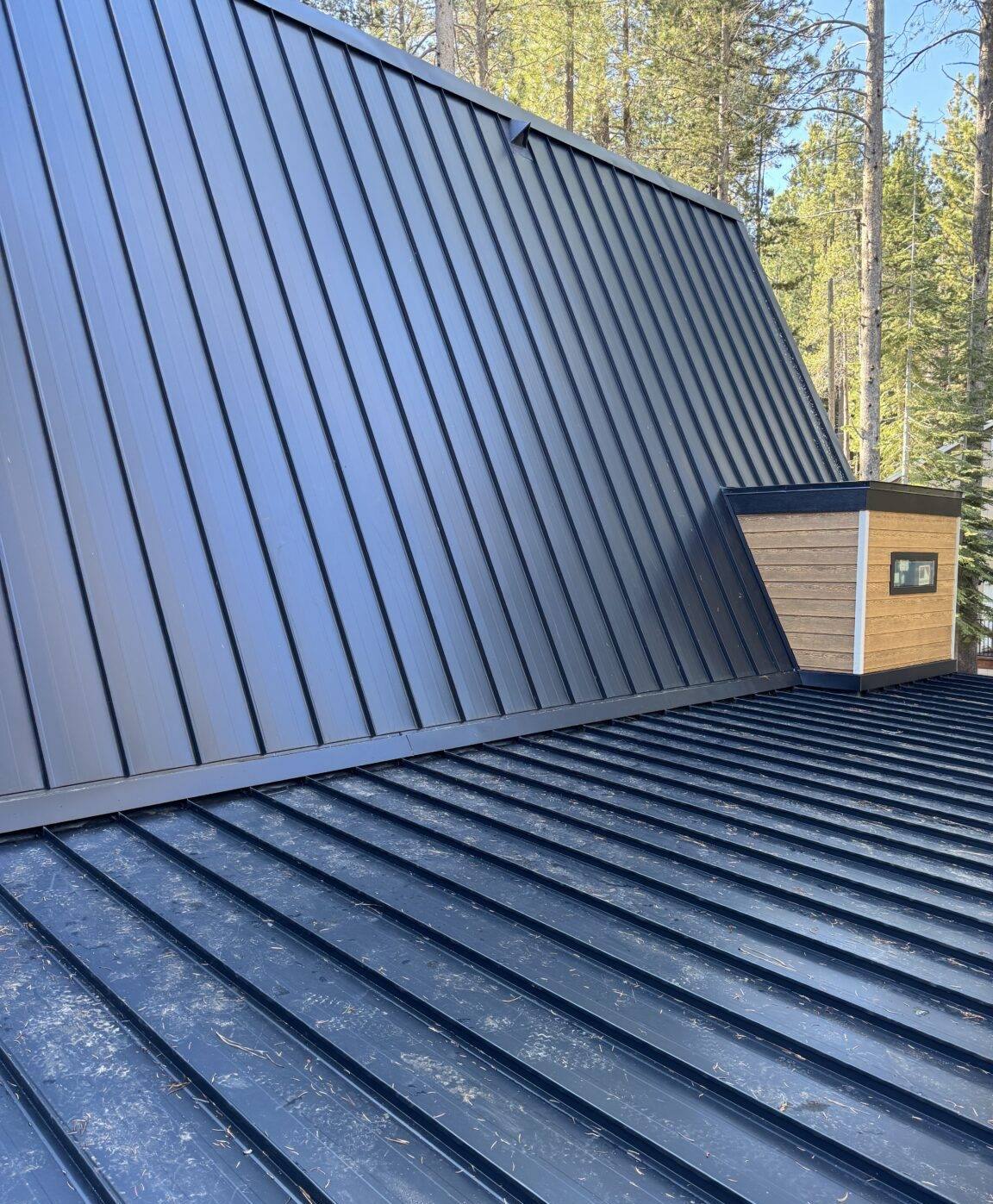
| Metal Roofing | 40-50+ years | Excellent, when properly installed | Very low | Higher upfront |
| Tile (Concrete or Clay) | 50+ years | Strong, but underlayment failure is the weak point | Moderate — underlayment needs eventual replacement | Highest |
Architectural shingles remain the most common choice for Riverview homes because they balance upfront cost, wind performance, and a service life that reasonably matches the climate. Metal is a strong option for homeowners planning to stay long-term and wanting to minimize future replacement cycles. Tile roofs look great and last a long time structurally, but their underlayment is doing most of the actual waterproofing work — when that layer fails, the tile itself often outlives it, which is why tile roof maintenance and eventual underlayment replacement should factor into the long-term cost picture.
Our Installation Process
We keep the process straightforward because a new roof is a significant investment and you deserve to know exactly what's happening at each stage.
- On-site inspection and estimate. We walk the roof, check the deck condition where accessible, measure the roof planes, and talk through material options based on your budget and goals.
- Written scope and pricing. You get a clear breakdown of materials, labor, and what's included — no vague allowances that turn into surprise costs later.
- Permitting. Hillsborough County requires permits for full roof replacements, and we handle that process as part of the job.
- Material delivery and site protection. We stage materials and protect landscaping, driveways, and the areas around your home before work begins.
- Tear-off and deck repair. Old roofing comes off, the deck gets inspected, and any damaged sections are replaced.
- Underlayment, flashing, and installation. Each layer goes down in the correct order, with attention to the details that matter most in wind-driven rain conditions.
- Cleanup and magnetic nail sweep. We clear debris and sweep the property for stray fasteners before we consider the job finished.
- Final walkthrough and documentation. We review the completed work with you and provide documentation for your records and warranty.
What to Check Before You Sign With Any Roofing Contractor
- Active Florida roofing license and general liability/workers' comp insurance
- A written, itemized estimate — not a verbal number or a single lump sum
- Confirmation that the contractor pulls its own permit with Hillsborough County
- Clarity on manufacturer warranty terms versus workmanship warranty terms
- A physical local presence or verifiable local project history, not just an out-of-town crew passing through after a storm
- No pressure to sign same-day or pay the full amount upfront
Why It Matters to Hire a Crew That Already Works Riverview
A crew that regularly works in Riverview and the surrounding Hillsborough County area already understands the local permitting process, knows what wind zone requirements apply here, and has seen firsthand how roofs in this specific area age and fail. That familiarity shows up in the details — the right underlayment choice for our humidity, the fastening pattern that accounts for our wind exposure, and the flashing work that holds up against wind-driven rain rather than just straight-down showers. It also means we're not disappearing after the job is done. If a warranty question or a minor issue comes up down the road, you're dealing with a contractor that's still working in your neighborhood, not chasing the next storm to a different state.
Signs Your Riverview Home May Need a New Roof
Not every roofing issue means a full replacement, but certain signs are strong indicators that repair isn't going to cut it anymore.
- Shingles that are curling, cupping, or losing significant granule coverage
- Multiple areas of granule buildup in gutters
- Visible daylight through the roof deck from inside the attic
- Soft or spongy spots when walking the roof
- Recurring leaks in different locations after repairs
- A roof that's approaching or past the expected lifespan of its material
- Storm damage severe enough that insurance has flagged replacement rather than repair
What Affects the Cost of a New Roof in Riverview
Every roof is different, and pricing depends on more than just square footage. The factors below are what actually move the number up or down.
| Cost Factor | How It Affects Price |
|---|---|
| Roof size and complexity | More planes, valleys, and penetrations mean more labor and material |
| Roof pitch | Steeper roofs require more safety equipment and time, raising labor cost |
| Deck condition | Rotted or damaged plywood/OSB adds repair cost discovered during tear-off |
| Material choice | Ranges from budget-friendly asphalt shingles to higher-cost metal or tile |
| Number of layers being removed | Multiple layers of old roofing increase tear-off labor and disposal cost |
| Ventilation and flashing upgrades | Bringing older systems up to current standards adds material and labor |
Because of this range of variables, any contractor quoting a firm number without seeing your roof in person should be treated with caution. A proper estimate starts with an actual inspection.
If your Riverview home is due for a new roof, we're glad to come take a look and walk you through your options with a free, no-pressure estimate — just fill out the form below.