 Tampa Roofing
 Why Riverview Roofs Take a Beating
Riverview sits in the Tampa Bay area of Hillsborough County, which means every roof here lives under the same set of stresses year-round: relentless subtropical UV, long hurricane seasons, wind-driven rain, and salt-laden air that moves across the whole bay region even away from the immediate coastline. None of that is unusual for this part of Florida, but it adds up faster than most homeowners expect, and it means a roof replacement done right here has to account for conditions that a roofer working in a milder climate simply doesn't plan for.
Sun and Heat Cycles
Tampa's near year-round sun bakes roofing materials day after day. Asphalt shingles lose surface granules over time from UV exposure and heat cycling, which accelerates aging and leaves the underlying asphalt more brittle and more prone to cracking. A roof that would last decades in a cooler climate simply doesn't get that long here — which is exactly why material choice and installation quality matter more in Riverview than in most parts of the country.
Wind and Wind-Driven Rain
Hurricane season runs roughly June through November, and a storm doesn't need to make direct landfall in Hillsborough County to stress a roof. Sustained wind and wind-driven rain from storms passing well offshore or through other parts of the state can still lift shingles, drive water sideways under flashing, and find any gap in an aging roof system. A roof replacement in Riverview has to be built assuming that kind of wind and rain is a "when," not an "if."
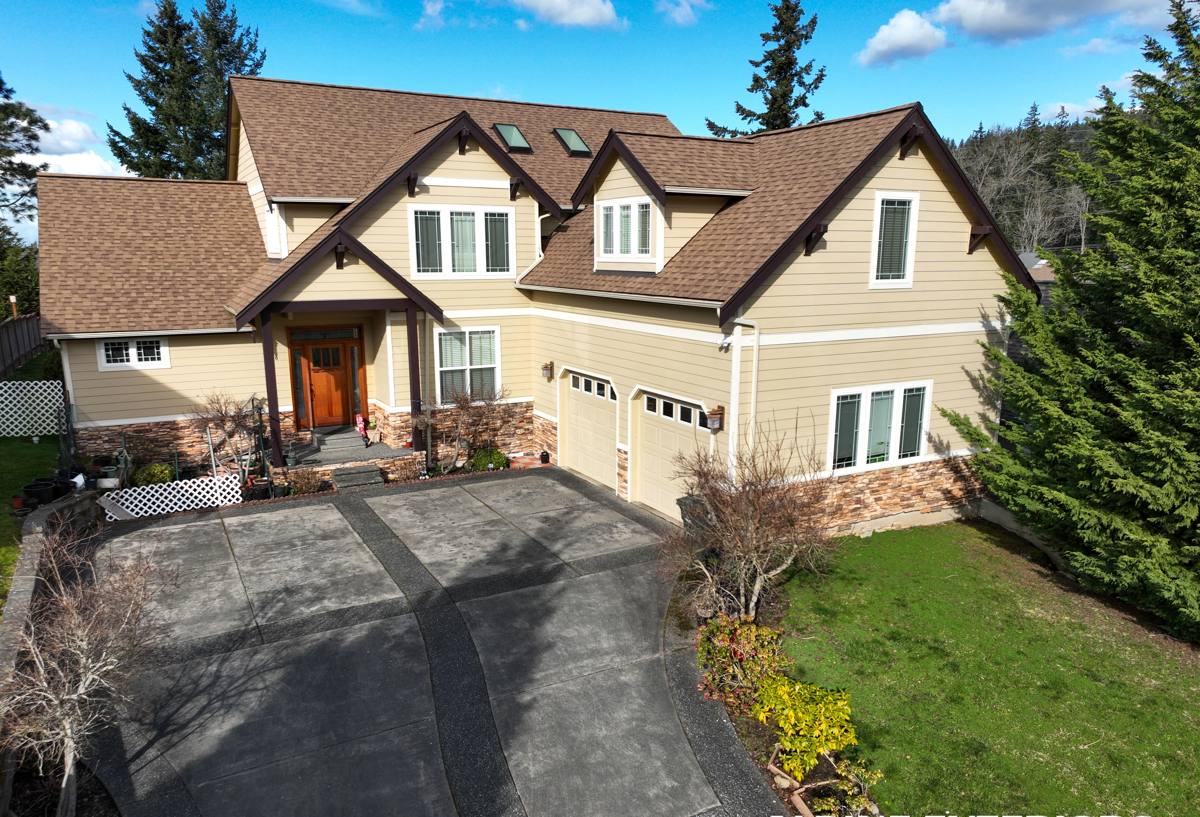
Signs a Riverview Roof Has Reached the End of Its Service Life
Not every roof problem calls for full replacement — some are legitimately repairable. But certain signs mean patching is just delaying a bigger, more expensive failure:
- Heavy granule loss (shingles look bald or granules collect in gutters)
- Shingles that are curling, cupping, or cracking across large sections of the roof
- Missing or lifted shingles after wind events, especially if it keeps happening
- Soft or spongy spots when walked on, which usually means decking damage underneath
- Ceiling stains, attic moisture, or musty odors that point to a leak already in progress
- Rising cooling bills, which can mean failing attic ventilation or insulation exposed to heat
- A roof approaching or past its material's expected service life, especially if it's never been replaced
If you're seeing two or more of these, it's worth getting an honest inspection before spending more money chasing individual repairs on a roof that's already past the point of it being worthwhile.
What a Proper Roof Replacement Actually Involves
A correct roof replacement is not just stripping off old shingles and nailing down new ones. It's a system, and every layer of that system has to work together to handle Florida wind and rain. That includes full tear-off to bare decking, inspection and repair of the deck itself, new underlayment, new drip edge and flashing at every valley, chimney, vent, and wall intersection, proper attic ventilation, and finally the finish material — installed to current code, not however is fastest.
The Deck Underneath Matters As Much As What's On Top
Once the old roofing is stripped away, the decking underneath gets inspected for rot, delamination, and soft spots — problems that are invisible from above but that no amount of good shingle work can compensate for. Valleys and areas around old flashing are common trouble spots because that's where wind-driven rain tends to collect and work its way in over the years. Any damaged sheathing should be replaced before a single course of new material goes down, not covered over.
Building Code and Wind Requirements
Hillsborough County enforces Florida Building Code wind-resistance requirements that dictate things like nailing patterns, underlayment type, and in many cases a sealed roof deck to create a secondary water barrier. This isn't an upsell — it's the baseline standard for any roof replacement done correctly in this area, and it's a major part of what actually determines how a roof performs the next time a storm rolls through.
Choosing a Roofing Material for Riverview's Climate
There's no single "best" roofing material for every home — the right choice depends on budget, roof design, and how much long-term maintenance a homeowner wants to take on. Here's how the common options compare for this climate specifically:
| Material | Typical Lifespan | Wind/Storm Performance | Heat & UV Tolerance | Maintenance |
|---|---|---|---|---|
| Architectural asphalt shingles | 20–30 years | Good with proper wind-rated installation | Moderate; granule loss over time | Low to moderate |
| Metal panel roofing | 40–50+ years | Excellent when properly fastened | High; reflects heat well | Low |
| Concrete or clay tile | 40–50+ years | Very good, but individual tiles can crack from wind-thrown debris | Very high | Moderate (occasional tile replacement) |
Higher upfront cost for metal or tile often gets offset over time by longer service life and lower maintenance, but a well-installed architectural shingle roof is still a solid, cost-effective choice for a lot of Riverview homes. What matters most in any case is that the installation — flashing, fastening, underlayment — meets the standard the material is rated for. A premium material installed carelessly will underperform a mid-range material installed correctly.
Our Roof Replacement Process
- Inspection and estimate — we assess the current roof, decking condition where visible, and ventilation, and give you a clear, itemized estimate
- Material selection — we walk through the trade-offs above based on your budget and goals
- Permitting — we handle the Hillsborough County permit process before work starts
- Scheduling — timed around weather windows, since a tear-off shouldn't sit exposed during an active storm system
- Tear-off and deck inspection — full removal down to the decking, with any damaged sheathing replaced
- Underlayment and flashing — new underlayment, drip edge, and flashing at every penetration and valley
- Material installation — installed to manufacturer specification and local wind code
- Cleanup and final walkthrough — full site cleanup, magnetic sweep for debris, and a walkthrough covering warranty paperwork
What Drives the Cost of a Riverview Roof Replacement
Costs vary enough between homes that we don't quote a number without seeing the roof, but the main factors are consistent:
| Factor | Why It Matters |
|---|---|
| Roof size (in squares) | More material and labor for larger roof areas |
| Roof pitch and complexity | Steep or cut-up roofs with many valleys take longer and are harder to work safely |
| Material choice | Asphalt, metal, and tile carry different material and labor costs |
| Decking condition | Rotted or delaminated sheathing found during tear-off adds repair cost |
| Existing layers | Multiple old layers mean more tear-off labor and disposal |
| Permit and inspection fees | Set by Hillsborough County, not the contractor |
As a broad range, a straightforward asphalt shingle replacement on an average single-family home in this area often lands in the lower five figures, with metal or tile running higher depending on the roof's size and complexity. Anyone quoting a firm number without inspecting your roof and decking first isn't giving you a real estimate — they're guessing.
Why It Matters to Hire a Crew That Already Works in Riverview
A roofing crew that regularly works in Riverview and greater Hillsborough County already understands the local permitting process and typical turnaround, is familiar with the HOA guidelines that apply to many communities in the area, and knows what county inspectors look for on a wind-rated roof system. That local familiarity translates directly into fewer delays and fewer surprises during your project.
Insurance and Wind Mitigation
After a roof replacement, it's worth scheduling a wind mitigation inspection — features like a properly sealed roof deck, reinforced roof-to-wall connections, and code-compliant fastening can qualify a home for meaningful discounts on windstorm insurance premiums. That only works if those features were actually installed correctly the first time, which is another reason installation quality isn't something to shop around on price alone.
Questions Worth Asking Before You Sign
- Are you licensed and insured to work in Hillsborough County, and can you provide proof?
- Will you pull the permit yourselves, or is that left to me?
- What underlayment and flashing details are included, not just the shingle or panel brand?
- Do you inspect and replace damaged decking as part of the base price, or is that a separate charge if found?
- What does the manufacturer's warranty require in terms of installation, and does your workmanship warranty match it?
A contractor who answers these clearly and specifically, without hesitation, is usually one who does this work correctly and often.
If your Riverview home's roof is showing its age or storm damage, we're glad to take a look and give you a straightforward, no-pressure assessment of your options. Fill out the form below for a free estimate.