 Tampa Roofing
 Riverview's Climate Is Hard on Siding — Here's Why
Riverview sits in southeast Hillsborough County, close enough to Tampa Bay and the Gulf that homes here deal with the same coastal-adjacent weather pattern as the rest of the metro: long, humid summers, intense year-round UV exposure, wind-driven rain that comes in sideways during afternoon storms, and the occasional direct hit or near-miss from a tropical system or hurricane. Add in the salt-laden air that drifts inland on prevailing winds, and you have a combination that ages cheap or poorly-installed siding fast.
None of this is unique to Riverview — it's the reality for every neighborhood in the Tampa area. But it matters because siding is not a cosmetic afterthought here. It's the primary barrier between your home's structure and a climate that spends eight months a year trying to get past it. A product or installation that would hold up fine in a drier, milder region can fail early in Hillsborough County conditions.
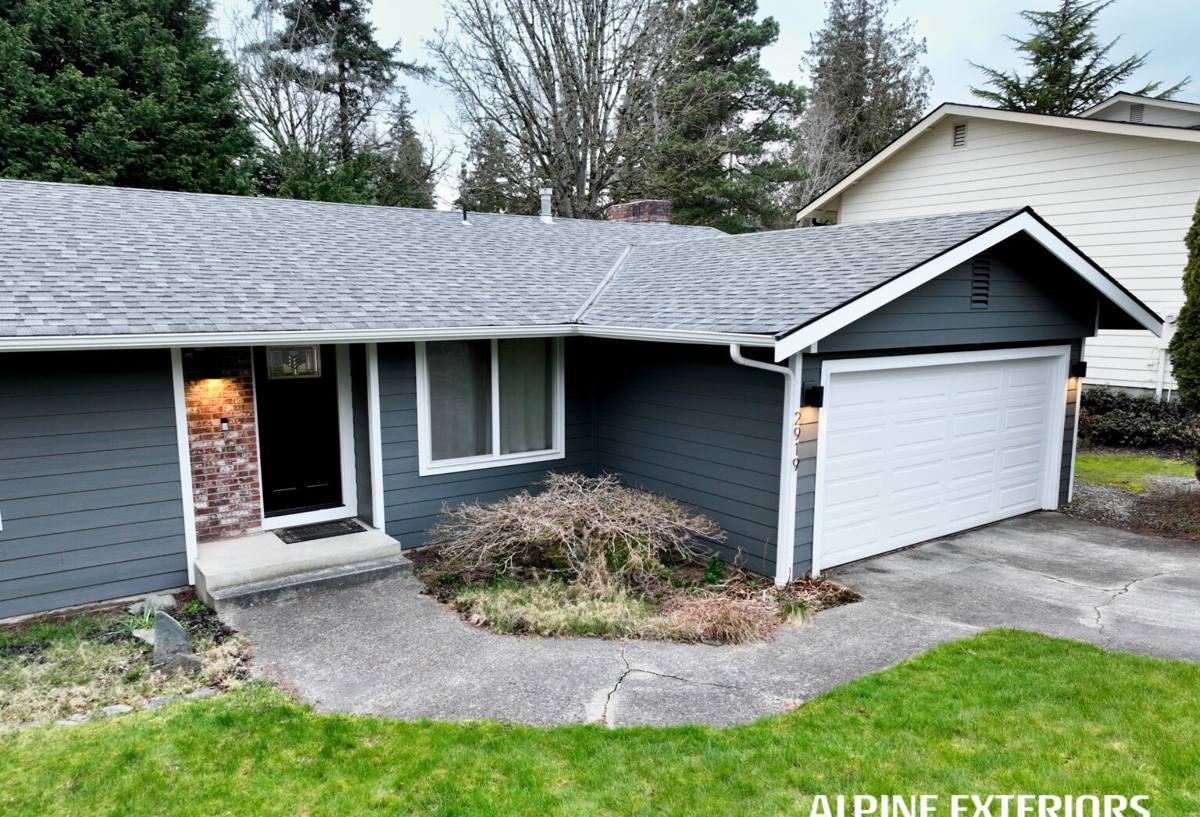
What We See Failing on Riverview Homes
When we get called out to look at siding problems in Riverview, the causes are almost always the same handful of things, repeating on different streets and different house styles:
- Moisture intrusion at seams and butt joints — wind-driven rain finds any gap in caulking or flashing and pushes water behind the siding, not just onto it.
- UV breakdown of paint and coatings — Florida sun is relentless; factory or field-applied finishes that aren't engineered for this UV load chalk, fade, and crack years ahead of schedule.
- Swelling, delamination, or rot in wood-based or engineered wood products once moisture gets past the surface.
- Warping and buckling from humidity cycling — materials that expand and contract with moisture, installed without the right gaps and fasteners, eventually distort.
- Salt-air corrosion on fasteners and trim, especially on homes closer to the bay side of the county.
Most of these aren't purely "the material's fault" or purely "the installer's fault" — they're usually both. The wrong product makes a marginal install fail faster; the wrong install makes even a good product underperform. That's why we treat product selection and installation method as one decision, not two.
Why We Only Install James Hardie Fiber Cement
We don't install vinyl, LP SmartSide, primed spruce, cedar, or other fiber cement brands like Allura or Cemplank. That's a deliberate standard, not a lack of options. In a climate like Tampa's, the material differences that show up on paper turn into real differences on a house within a few Florida summers.
Fiber cement as a category resists moisture, insects, and fire better than wood-based sidings, and it doesn't soften or expand the way vinyl and engineered wood products can under heat and humidity. James Hardie is the fiber cement manufacturer we've standardized on specifically because of how their products are engineered for humid, high-UV, storm-prone climates — and because their factory-applied ColorPlus finish is baked on under controlled conditions rather than field-painted, which matters enormously in a region where UV degrades coatings faster than almost anywhere else in the country.
James Hardie also offers HZ5 product lines engineered specifically for climates like ours — humid, hot, and hurricane-exposed — along with a strong transferable warranty that reflects real confidence in long-term performance, not just a marketing line. We'd rather install one product correctly and stand behind it than offer a menu of options we know perform unevenly in this climate.
What This Means If You're Comparing Quotes
If another contractor quotes vinyl or an engineered wood product for your Riverview home, that's not necessarily dishonest — it may just reflect a different standard than ours. Our position is that in Hillsborough County's climate, the long-term maintenance burden and failure risk of those products outweighs the upfront savings for most homeowners. We're happy to explain the trade-offs directly if you're weighing options.
What a Correct Siding Installation Actually Involves
Siding failures in Florida are rarely about the siding panel itself giving out — they're about what's underneath it, or what's happening at the seams. A correct install pays as much attention to the parts you never see as the parts you do.
Before the First Panel Goes Up
- Full removal of old siding and inspection of the sheathing underneath for existing water damage or rot
- Repair or replacement of any compromised sheathing before moving forward — covering damage instead of fixing it just locks the problem inside the wall
- Installation of a code-compliant weather-resistive barrier, lapped and sealed correctly
- Proper flashing at every window, door, and roofline intersection — this is where most water intrusion actually starts
During Installation
- Correct fastener type, spacing, and depth per James Hardie's published installation specs — this is what the transferable warranty depends on
- Proper gapping at joints and butt seams to allow for expansion without trapping moisture
- Caulking and sealing only where Hardie's install guide calls for it, not as a substitute for correct flashing
- Attention to corners, trim, and penetrations (vents, hose bibs, light fixtures) where water most often finds a way in
Skipping or rushing any of these steps is how a house ends up with siding that looks fine for two years and then starts showing streaking, staining, or soft spots at year four or five.
Material Comparison for Hillsborough County Conditions
| Factor | Vinyl | Engineered Wood (LP-type) | James Hardie Fiber Cement |
|---|---|---|---|
| Moisture resistance | Doesn't rot, but seams can trap water behind it | Vulnerable if the protective coating is compromised | Engineered to resist moisture damage and won't rot |
| UV / fade resistance | Can fade and become brittle over time | Field or factory paint fades under intense Florida sun | Factory-baked ColorPlus finish built for high-UV climates |
| Wind/impact performance | Can crack or blow off in high wind if not rated correctly | Moderate; depends on product and install | Rated for high-wind regions, including hurricane-prone areas |
| Fire resistance | Combustible | Combustible | Non-combustible |
| Typical warranty structure | Varies widely by brand | Varies, often prorated | Strong transferable warranty from Hardie |
This is a general comparison, not a claim about any specific competing product line — the point is that the category-level trade-offs consistently favor fiber cement, and specifically James Hardie's engineering, for a climate like ours.
Our Process for Riverview Projects
A siding installation for a Riverview home follows the same disciplined sequence on every job:
- On-site inspection — we look at your current siding, sheathing condition, trim, and any trouble spots before quoting anything.
- Honest scope and estimate — what needs replacing, what (if anything) can be repaired, and a clear cost range with no pressure to decide on the spot.
- Removal and substrate check — old siding comes off, sheathing gets inspected and repaired as needed.
- Weather barrier and flashing — installed to spec before a single Hardie panel goes up.
- Hardie installation — fastened, gapped, and sealed per manufacturer specification to keep the warranty valid.
- Final walkthrough — trim, caulking, and finish details checked with you before we call the job done.
Because we work across the greater Tampa area, our crews already know how Hillsborough County's permitting and inspection process works, and we size every job with local wind-load and moisture conditions in mind rather than treating Riverview like a generic install location.
Signs Your Riverview Home May Need New Siding Soon
- Visible warping, buckling, or gaps between panels
- Soft or spongy spots when you press on the siding
- Paint that's peeling, bubbling, or chalking heavily
- Persistent streaking or dark staining, especially near seams
- Rising energy bills with no other explanation — failing siding lets conditioned air escape
- Visible mold or mildew growth that returns quickly after cleaning
If you're seeing more than one of these, it's worth having someone look before small problems become sheathing damage.
Maintenance and Long-Term Performance
Correctly installed James Hardie siding is low-maintenance, not no-maintenance. Plan on periodic rinsing to clear salt residue and pollen, prompt caulk touch-ups if you notice gaps forming, and a visual check after any major storm. Because the ColorPlus finish is factory-applied, you're not signing up for a repaint cycle every few years the way you might with field-painted materials — that's one of the practical, day-to-day advantages homeowners notice most.
Why Hiring a Crew That Already Works Riverview Matters
Siding installation quality depends heavily on whether the crew understands the conditions they're building for. A contractor who mostly works in a different climate, or who installs whatever product a homeowner requests without pushing back on fit, is more likely to make choices that look fine on installation day and cause problems two or three years later. Working consistently in the Tampa area — including communities like Riverview — means we're not guessing at wind ratings, flashing details, or how humidity will treat a given product. We're applying the same standard we'd want on our own homes.
If your Riverview home needs new siding, or you're just not sure whether what you have is holding up, we're glad to take a look. Reach out for a free, no-pressure estimate using the form below.