 Tampa Roofing
 Window Installation in Riverview, Florida
Riverview has grown fast over the past two decades, and that growth shows in the mix of homes here — older concrete block houses from the area's earlier days sitting alongside newer construction from the neighborhood's many subdivisions. Both types of homes eventually run into the same problem: the windows that came with the house, whether original builder-grade units or a previous owner's mid-grade replacements, start failing to keep up with what Tampa Bay weather demands of them. Foggy glass, windows that won't stay open, rising cooling bills, and drafts around the frame are the usual signs that it's time to talk about replacement rather than another repair.
We're a Tampa-based crew, and Riverview is part of our regular service area — not a stretch job we take occasionally. That matters more than most homeowners realize when it comes to windows, because correct installation in this climate is unforgiving of shortcuts.
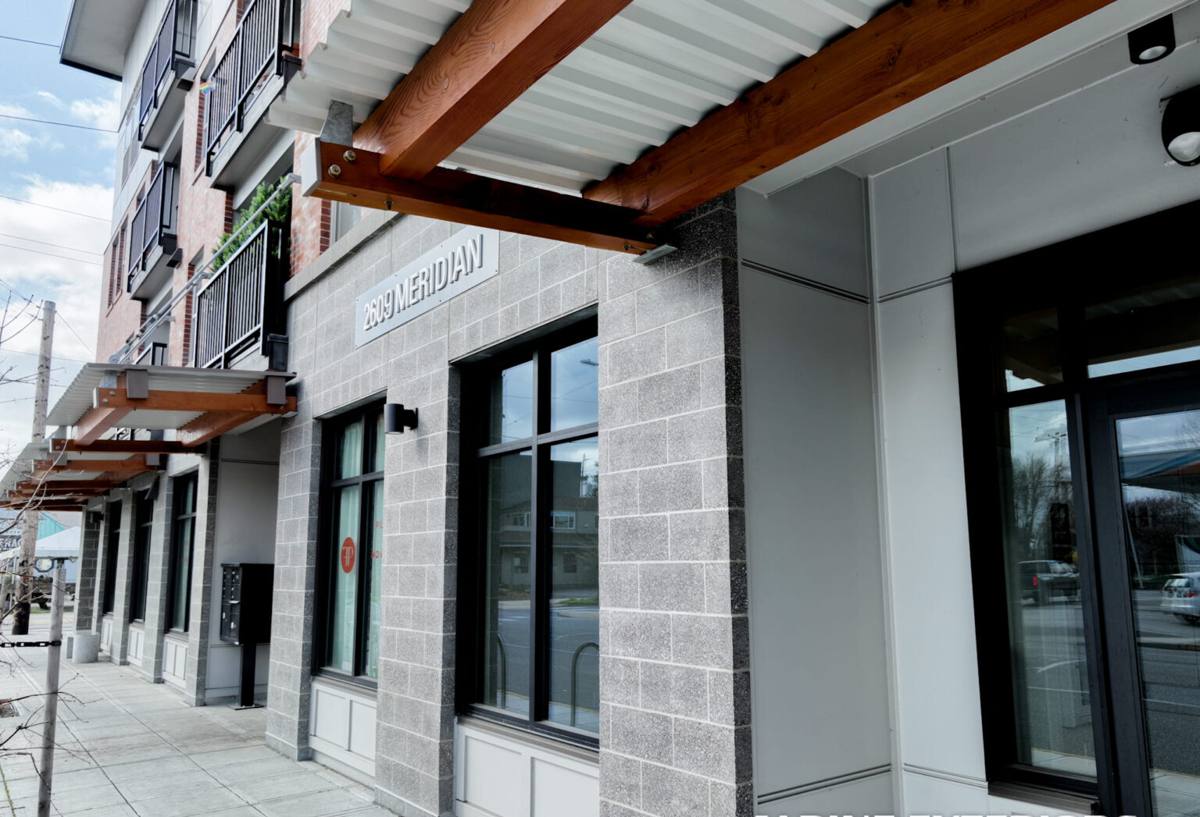
Why Riverview's Climate Is Hard on Windows
Hillsborough County sits in a spot that gets the full range of what Florida weather can throw at a house. Over a window's lifespan, several forces work against it at once:
- Hurricane-force wind loads — even homes well inland from the coast need windows rated to handle sustained wind pressure and, in many cases, windborne debris impact.
- Intense, year-round UV exposure — constant sun breaks down cheap vinyl, dries out weatherstripping, and fades interior finishes faster than in most of the country.
- Wind-driven rain — Florida storms rarely fall straight down. Rain gets pushed sideways into frames and gaps, which is why flashing and sealant detail matters as much as the window unit itself.
- Salt air influence — Riverview isn't beachfront, but Tampa Bay is close enough that airborne salt still contributes to corrosion on hardware, screws, and lesser-grade metal components over time.
None of these forces are dramatic on their own, day to day. What they do is compound. A window that's slightly under-rated for wind, sealed with a bead of caulk instead of proper flashing, will hold up fine in a normal thunderstorm and then fail during the exact event it needed to survive.
What "Correct" Window Installation Actually Involves
A lot of window problems in this area trace back not to the window itself but to how it was put in. Installation quality is the difference between a window that performs for fifteen-plus years and one that starts leaking within a couple of storm seasons.
The Rough Opening and Existing Structure
Before a new window goes in, the rough opening needs to be checked for square, level, and soundness. In older Riverview homes, that sometimes means dealing with settled framing or block that's shifted slightly over the decades. Skipping this step and just forcing a new window into an out-of-square opening is one of the most common causes of operational problems and premature seal failure.
Flashing and Water Management
This is the step most likely to get shortcut, because it's invisible once the window is in. Proper flashing directs any water that gets past the window frame back out and away from the wall assembly, rather than letting it track down inside the wall cavity. Given how much wind-driven rain this area sees, this step alone accounts for a large share of the difference between a dry wall and a hidden mold problem two years later.
Fastening and Wind Rating
Florida building code sets requirements for how a window is fastened into the structure and what wind pressure it needs to withstand, based on the home's location and exposure. Riverview falls within Hillsborough County's permitting jurisdiction, and installers need to fasten to the correct schedule — not just "enough screws to hold it in" — to actually deliver the wind resistance the window is rated for on paper.
Sealing and Insulation
The gap between the window frame and the rough opening needs to be insulated and air-sealed correctly — not overpacked with expanding foam that can bow the frame, and not left with gaps that let conditioned air escape. This is a big part of why two homes with the "same" replacement windows can have noticeably different cooling bills.
Signs a Riverview Home Needs New Windows
| Sign | What It Usually Means |
|---|---|
| Foggy or cloudy glass between panes | The seal on a dual-pane unit has failed and moisture has gotten between the glass layers; not repairable, only replaceable |
| Windows that stick, won't latch, or are hard to open | Frame has warped from heat/UV exposure or the house has settled, shifting the opening out of square |
| Visible daylight or drafts around the frame | Failed weatherstripping or sealant, or an installation that was never sealed correctly |
| Water staining on the wall or sill after storms | Flashing or sealant failure allowing wind-driven rain intrusion |
| Noticeably higher cooling bills than similar-sized homes | Poor glass performance or air leakage around aging frames |
| Single-pane or original builder-grade windows in an older home | Likely well past the point where efficiency and storm performance justify keeping them |
Choosing the Right Windows for This Area
We don't push one brand as a cure-all, because the right choice depends on the home and the budget. What we do insist on for Riverview installs is windows rated appropriately for Hillsborough County's wind zone requirements, with glass packages that account for the amount of direct sun Florida homes take on year-round. Low-E coated, impact-rated glass is the standard we recommend for most replacement jobs here — it cuts down on solar heat gain, blocks a significant share of UV that fades furniture and flooring, and in many cases eliminates the need for separate hurricane shutters or panels on those openings.
Frame Material Trade-Offs
Vinyl frames are the most common choice for good reason — reasonable cost, no repainting, decent insulating properties. Our standard is to use vinyl products built with UV-stabilized compounds, because lower-grade vinyl left in direct Florida sun for years can become brittle and discolored faster than homeowners expect. Aluminum frames are stronger for large openings but conduct heat more readily unless thermally broken, which matters in a climate where the AC runs most of the year. Fiberglass costs more upfront but holds up extremely well against UV and temperature swings if that's within budget. We'll walk through what fits your specific home rather than defaulting to whatever's easiest to install.
Our Process for a Riverview Window Job
- On-site assessment — we look at existing window condition, framing, and any problem areas before quoting anything.
- Product selection — we go over frame material, glass package, and wind rating options that fit the home and the budget, no upselling to the most expensive line by default.
- Permitting — window replacement in Hillsborough County typically requires a permit; we handle that paperwork rather than leaving it on the homeowner.
- Removal and opening prep — old units come out, the opening gets checked and corrected as needed before anything new goes in.
- Installation — proper flashing, correct fastening schedule for the wind rating, and full sealing per manufacturer and code specs.
- Final inspection and walkthrough — we check operation on every window and walk the homeowner through it before calling the job done.
What to Check Before Hiring Any Window Crew
- Are they licensed to pull permits in Hillsborough County, and will they actually pull one?
- Do they specify the wind rating of the products they're quoting, or just the brand name?
- Will they explain their flashing and sealing approach, or wave it off as "standard"?
- Do they work in your specific neighborhood regularly, or is this a one-off trip for them?
- Is the estimate written with specific products and scope, or vague line items?
- What does the warranty actually cover — labor, product, or both — and for how long?
Why a Local Crew Matters for This Job
Window installation is one of those jobs where local knowledge shows up in small decisions that add up. A crew that regularly works Riverview and the surrounding Tampa area already knows what Hillsborough County's permitting office expects, has a feel for how the area's older block homes versus newer builder-grade construction behave differently during installation, and isn't guessing at wind zone requirements from a manual. That familiarity translates into fewer surprises, fewer inspection delays, and a job that's sealed and fastened the way this climate actually requires — not the way it would be done in a part of the country that doesn't deal with hurricane season every year.
Maintenance After Installation
New windows aren't entirely maintenance-free, especially in this climate. Rinse frames and tracks periodically to clear salt residue and dust, check weep holes to make sure they're not blocked (they let water drain out of the frame), and inspect exterior caulking annually since UV exposure breaks down sealants faster here than in milder climates. A quick visual check before hurricane season each year is worth the ten minutes it takes.
If your Riverview home has windows that are fogging, sticking, leaking, or just running your cooling bills higher than they should be, we're happy to take a look. Estimates are free and there's no pressure to move forward — just a straight assessment of what your home actually needs.