 Tampa Roofing
 Roofing Built for Town 'n' Country's Climate
Town 'n' Country is an established residential community in Hillsborough County, just west of downtown Tampa, and the roofs here work harder than roofs almost anywhere else in the country. Between June and November, tropical systems push hurricane-force gusts and wind-driven rain across the neighborhood. The other eight months bring relentless, nearly overhead UV exposure that bakes shingles and dries out sealants. Add in the salt-laden air that drifts inland off Tampa Bay and the Gulf, and you have three separate stress factors working on the same roof, year-round, without much of a break.
None of that means a roof is doomed to fail early. It means repairs have to be done correctly the first time, with materials and techniques matched to this specific climate — not generic patch jobs pulled from a roofing playbook written for a drier, calmer part of the country.
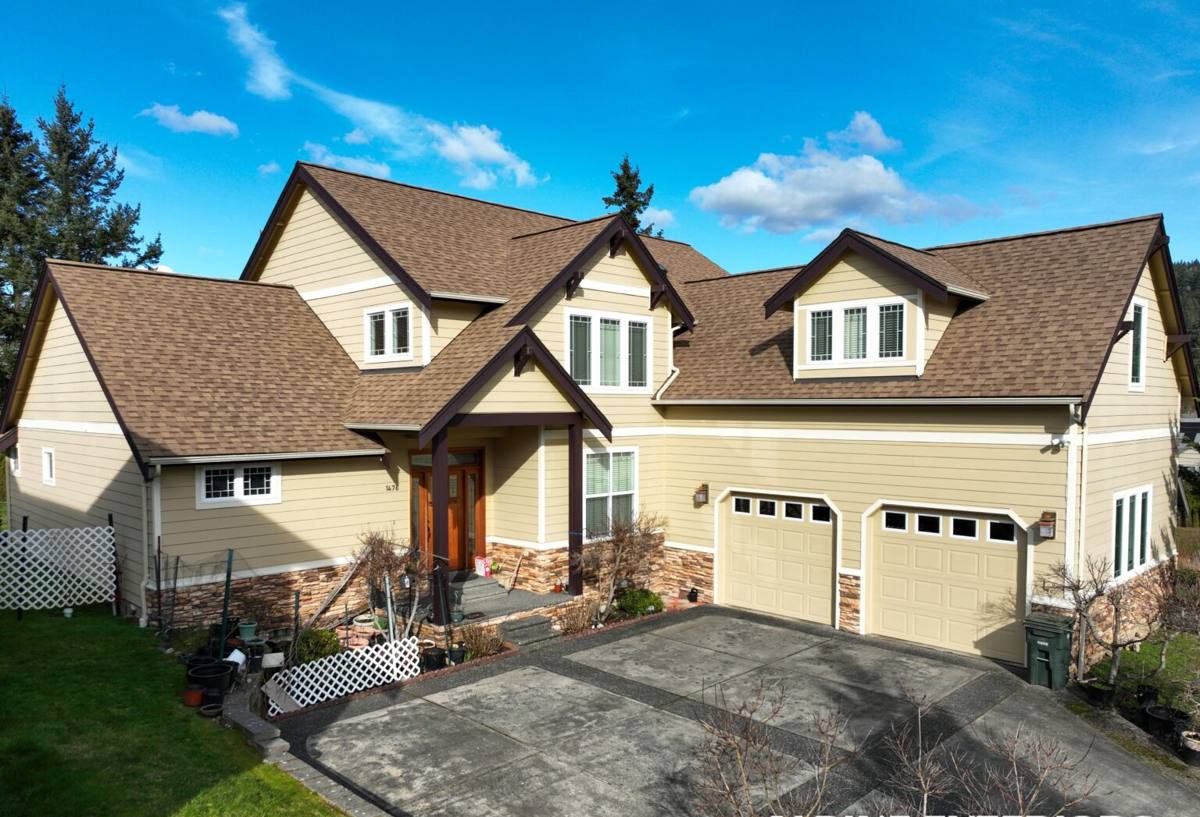
How Tampa Bay Weather Actually Damages a Roof
Wind and Uplift
Hurricane and tropical-storm-force winds don't just tear shingles off in dramatic fashion — most of the damage is quieter than that. Repeated gusts work at shingle tabs and flashing edges, loosening the seal strip that's supposed to keep shingles locked flat. Once that bond breaks, wind can get underneath and lift the shingle on every subsequent storm, even a routine summer squall. Over a few storm seasons, a roof that looks intact from the ground can have dozens of compromised tabs.
UV and Heat
Central Florida sun is intense and consistent. Asphalt shingle granules shield the underlying asphalt from UV breakdown, but that granule layer wears thin over time, especially on south- and west-facing slopes. Once granule loss exposes the asphalt mat, it dries, curls, and becomes brittle much faster. Heat cycling — hot afternoons followed by sudden downpours — also stresses sealants and flashing joints, which expand and contract far more here than in milder climates.
Wind-Driven Rain
A roof doesn't have to be missing shingles to leak. Wind-driven rain can travel sideways and even slightly upward under loose or aging shingles, finding gaps around vents, chimneys, skylights, and valleys that would never leak in a straight downpour. This is one of the most common reasons Town 'n' Country homeowners find a ceiling stain after a storm even though the roof "looked fine."
Salt Air Corrosion
Proximity to Tampa Bay means airborne salt reaches roofs and metal components well inland. Nails, flashing, vent boots, and fastener heads corrode faster here than in non-coastal markets, which is why the quality of the metal and fasteners used in a repair matters just as much as the shingles themselves.
Signs Your Town 'n' Country Roof Needs Repair
Most roof failures give warning signs long before a full leak develops. Homeowners who catch these early save significant money by avoiding water damage to decking, insulation, and interior finishes.
- Shingles that look cupped, curled, or are visibly missing granules (bald patches on the shingle surface)
- Granules collecting in gutters or at downspout outlets after rain
- Soft spots or slight sagging when walking the roof (a sign of decking damage underneath)
- Cracked, lifted, or missing flashing around chimneys, skylights, and roof-to-wall junctions
- Ceiling stains, especially ones that appear or worsen after windy storms rather than steady rain
- Daylight visible through the roof deck from inside the attic
- Rusted or lifted nail heads and deteriorated pipe boots (the rubber collar around plumbing vents is often the first thing to fail)
- Visible storm damage: shingles found in the yard, dented vents, or displaced ridge caps
If any of these sound familiar, it's worth having the roof looked at before the next storm rather than after.
What a Correct Roof Repair Actually Involves
A repair that only addresses the visible symptom often fails again within a season or two. A repair that holds up in Hillsborough County's climate accounts for what's underneath the surface layer, not just what's on top of it.
Diagnosis Before Patching
Every legitimate repair starts with tracing the actual water path, which is frequently not directly above the interior stain. Water can travel along rafters or decking before dripping down, so an honest inspection follows the leak to its true entry point — usually a compromised seal, flashing joint, or fastener — rather than just re-sealing wherever the stain appears indoors.
Matching the Repair to the Roofing System
A repair needs to work with the existing roofing system, not against it. That means matching shingle type, profile, and where reasonably possible, color and age of the surrounding material, so the patch doesn't become its own weak point or an eyesore. Tile roofs require different handling still — cracked or slipped tiles need to be reset or replaced without damaging the surrounding field, and the underlayment beneath the tile (which does most of the actual waterproofing) has to be inspected, not assumed to be fine just because the tile looks intact.
Flashing and Sealant Work
Flashing is the single most common source of hidden leaks, and it's also the piece most likely to be skipped in a rushed repair. Proper work means removing and replacing deteriorated flashing, not just running new sealant over old metal. Sealant is a supplement to correct flashing, never a substitute for it.
Deck Inspection
Any time shingles are pulled back for a repair, the decking underneath should be checked for soft, delaminated, or water-stained plywood. Patching over damaged decking hides a structural problem and guarantees a callback.
Repair by Roof Type
Town 'n' Country has a mix of roofing systems, and the right repair approach depends heavily on which one you have.
| Roof Type | Common Failure Points | Repair Considerations |
|---|---|---|
| Asphalt Shingle | Wind-lifted tabs, granule loss, curling, cracked seals | Matching shingle profile and color; re-sealing tabs; checking decking underneath |
| Concrete/Clay Tile | Cracked or slipped tiles, failed underlayment | Careful tile removal and reset to avoid breaking adjacent tiles; underlayment condition matters more than the tile itself |
| Metal | Loosened fasteners, seam separation, corrosion at cut edges | Fastener replacement with corrosion-resistant hardware; proper sealant at panel seams |
| Low-Slope/Flat Sections | Ponding water, membrane seams, flashing at transitions | Membrane-specific patching; correcting drainage rather than just sealing the symptom |
Many Town 'n' Country homes actually have more than one of these systems on the same roof — a shingle main roof with a low-slope section over a porch or addition, for example — which is another reason a generalist repair crew needs real experience across roof types, not just one.
Our Repair Process
- Inspection and photo documentation. We walk the roof (weather permitting) and document the condition of shingles, flashing, vents, and any visible deck issues.
- Honest diagnosis. We explain what's actually causing the problem, in plain language, before recommending any work — including telling you if a repair genuinely isn't the right call.
- Written scope and estimate. You get a clear description of the work and materials involved before anything starts, not a vague verbal quote.
- The repair itself. This includes removing and replacing damaged materials (not just covering them), correcting flashing, and re-sealing with materials rated for Florida heat and UV exposure.
- Cleanup and final check. We clear debris, check gutters for displaced granules or nails, and do a final walk-through of the completed work.
Repair vs. Replacement: Making the Right Call
Not every roof problem needs a full replacement, but not every roof should keep getting patched either. The honest answer depends on a handful of factors we walk through with every homeowner.
| Factor | Leans Toward Repair | Leans Toward Replacement |
|---|---|---|
| Roof age | Well within expected lifespan for the material | At or beyond typical service life for that roofing type |
| Extent of damage | Isolated area (one slope, one flashing point, a few shingles) | Widespread granule loss, multiple leak points, storm damage across several sections |
| Decking condition | Solid, no soft spots found | Soft, delaminated, or water-damaged decking in multiple areas |
| Prior repair history | First or infrequent repair | Recurring leaks in different spots despite past repairs |
| Insurance/storm claim | Damage limited and localized | Adjuster documents wind or hail damage warranting full replacement |
We'll never push a full replacement when a targeted repair genuinely solves the problem — but we'll also tell you plainly if we think a repair is a short-term fix on a roof that's near the end of its useful life. That's a maintenance-and-cost conversation, not a sales pitch.
Why Local Experience in Town 'n' Country Matters
A crew that regularly works in this specific area understands things a roofer unfamiliar with the neighborhood might miss: the typical age and construction of homes in the community, the roofing systems most common to the area, and the real-world wear patterns caused by the combination of coastal humidity, salt exposure, and storm frequency specific to this part of Hillsborough County. That familiarity shows up in faster, more accurate diagnosis and fewer surprises once a repair is underway.
There's also a practical, non-glamorous benefit: local crews can typically respond faster after a storm, when timing matters most for preventing a small leak from turning into interior water damage, mold, or insulation loss. Waiting weeks for a repair crew that has to travel in from outside the area is a real risk during Tampa's storm season.
Materials and Workmanship Standards
The materials used in a repair matter as much as the labor. We use fasteners and flashing rated to resist coastal corrosion, sealants formulated for high-UV, high-heat climates rather than general-purpose products, and shingles or tiles that are matched as closely as possible to your existing roof to avoid a patchwork appearance. Where a manufacturer's product has known trade-offs — for example, certain sealant types that require more frequent reapplication in intense UV, or fastening systems that are more installation-sensitive than others — we'll tell you that upfront and explain why we chose (or avoided) it, rather than letting you find out the hard way after a callback.
Maintaining Your Roof Between Repairs
A repair lasts longer when it's not fighting neglect on the rest of the roof. A few habits go a long way in this climate:
- Clean gutters and downspouts regularly so water doesn't back up under the roof edge during heavy rain
- Trim back overhanging branches that scrape shingles in wind and drop debris onto the roof
- Have the roof inspected before hurricane season each year, not just after a storm has already caused damage
- Check the attic occasionally for daylight, damp insulation, or musty odors between scheduled inspections
- Address small issues (a lifted shingle tab, a cracked pipe boot) promptly rather than waiting for them to become leaks
Between the hurricane season winds, the year-round UV, and the salt air coming off Tampa Bay, a Town 'n' Country roof needs consistent attention — not a one-time fix and years of ignoring it.
Get a Straightforward Assessment
If you're dealing with a leak, storm damage, or just want an honest read on your roof's condition before the next storm season, we're happy to take a look. Fill out the form below for a free, no-pressure estimate — we'll tell you exactly what we find and what it would take to fix it right.