 Tampa Roofing
 New Roof Installation Built for Seminole Heights Homes
Seminole Heights sits close enough to Tampa Bay that salt-laden air, intense UV exposure, and wind-driven rain are a daily reality for every roof in the neighborhood. Add Hillsborough County's hurricane risk and the humid, storm-heavy summers that define Central Florida weather, and it's clear that a roof here needs to be installed differently than a roof in a drier, cooler climate. A new roof installation isn't just about swapping old shingles for new ones — it's about building an assembly that can shed water fast, stay fastened down in high wind, and hold up to year after year of relentless sun.
Many homes in this part of Tampa were built decades ago, and their roof framing, ventilation, and decking reflect building standards from a very different era. When we install a new roof here, we're not just replacing the visible layer — we're addressing everything underneath it that determines whether the new roof will actually perform.
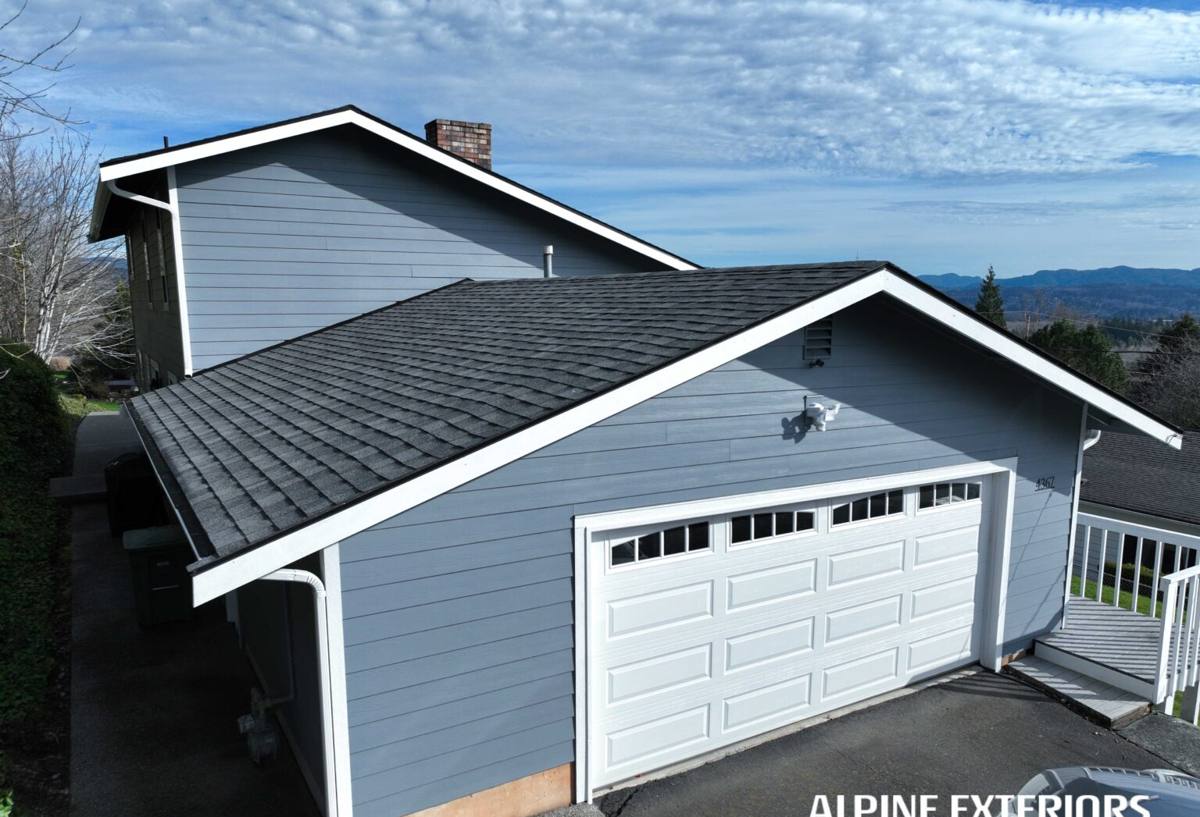
What Tampa's Climate Demands From a Roof
Hurricane and High-Wind Exposure
Hillsborough County sits within a hurricane-prone region, and Seminole Heights is not exempt from tropical storm and hurricane wind loads. Florida's building code accounts for this with specific wind-uplift requirements, but code minimums are just that — a minimum. A properly installed roof relies on correct nailing patterns, enhanced fastening at edges and corners (where uplift forces concentrate), and underlayment that stays sealed even if shingles are damaged.
Year-Round UV Exposure
Tampa doesn't get much of a winter break from the sun. Roofing materials are constantly baked by UV radiation, which accelerates the breakdown of asphalt oils in shingles and causes some lower-quality products to become brittle years before their rated lifespan. Material selection and proper attic ventilation both play a role in slowing this aging process.
Wind-Driven Rain
It's not just how much rain Tampa gets — it's how that rain arrives. During storms, wind pushes rain sideways and upward under normal roofing laps, which is why underlayment, flashing, and sealed penetrations matter as much as the shingles or metal panels themselves.
Salt Air Corrosion
Being close to Tampa Bay means airborne salt reaches roofing components — fasteners, flashing, vents, and metal accessories — and accelerates corrosion compared to inland areas. Choosing corrosion-resistant hardware isn't optional here; it's a baseline requirement for a roof that's meant to last.
What a Correct New Roof Installation Actually Involves
A new roof is a system, not a single product. Skipping or rushing any layer shortens the life of the whole assembly, even if the shingles on top look fine for a few years.
- Tear-off and deck inspection: Removing the old roofing down to the deck so we can see the actual condition of the plywood or OSB underneath — soft, delaminated, or water-stained decking gets replaced before anything new goes down.
- Deck repair and preparation: Damaged sheathing is cut out and replaced, and the deck is re-nailed to current fastening standards where needed.
- Underlayment: A synthetic or self-adhering underlayment is installed as the roof's true waterproof barrier — this is what protects the home if wind-driven rain gets past the surface layer.
- Flashing: New metal flashing at valleys, walls, chimneys, and any roof-to-wall transitions, since old, corroded, or reused flashing is one of the most common causes of leaks after a re-roof.
- Ventilation: Intake and exhaust ventilation sized correctly for the attic, which reduces heat buildup and moisture — both of which shorten a roof's life in this climate.
- Field material installation: Shingles, tile, or metal panels installed to manufacturer specs and Florida's high-wind fastening requirements, not just "standard" nailing patterns.
- Accessories: Drip edge, ridge vents, pipe boots, and other components matched for corrosion resistance given the salt air exposure.
Choosing the Right Roofing Material for Seminole Heights
There's no single "best" roofing material for every home — the right choice depends on the home's structure, the homeowner's budget, and how much wind and impact resistance matters given the specific lot and tree cover.
| Material | Typical Lifespan | Wind Performance | Considerations for This Area |
|---|---|---|---|
| Architectural asphalt shingles | 20–30 years | Good, with proper high-wind fastening | Most common choice; look for a wind rating suited to hurricane-prone counties |
| Standing seam metal | 40–50+ years | Excellent | Higher upfront cost; strong resistance to wind uplift and long-term UV wear |
| Concrete or clay tile | 40–50+ years | Very good when properly fastened | Heavier — requires structural check; common on some FL homes but less so on older Seminole Heights framing |
| 3-tab asphalt shingles | 15–20 years | Fair | Lower cost, but shorter lifespan under intense UV and storm exposure |
We walk homeowners through these trade-offs honestly rather than pushing a single product. A roof that's overbuilt for a budget-conscious homeowner isn't a win, and a roof that's underbuilt for the storm exposure here isn't either.
Signs Your Seminole Heights Roof Needs Full Replacement, Not a Repair
Not every roof problem calls for a full tear-off. But there's a point where patching individual issues stops making financial sense and a new installation becomes the smarter long-term investment.
- Shingles that are curling, cracking, or losing granules across large sections of the roof, not just one isolated spot
- Multiple past repairs in different areas, suggesting the underlying materials are simply worn out
- Visible sagging in the roofline, which can point to deck or structural issues
- Daylight visible through the attic or recurring leaks after every significant storm
- A roof approaching or past its expected service life, especially if it's never had underlayment or flashing upgraded
- Granules consistently collecting in gutters, a sign the shingles are breaking down from UV exposure
Our Process, Start to Finish
1. On-Site Inspection and Honest Assessment
We start by physically inspecting the roof, attic, and decking — not just estimating from the street. This tells us the true condition of what's underneath, which affects both the scope of work and the price.
2. Clear, Written Estimate
You get a written scope of work and price before anything is scheduled, including material options at different price points so you can make an informed decision rather than guessing.
3. Permitting and Code Compliance
Hillsborough County requires permits for roof replacement, and code enforcement in this region reflects the area's hurricane risk. We handle the permitting and make sure the installation meets current wind and fastening requirements — not the requirements from whenever the last roof went on.
4. Tear-Off and Deck Assessment
Old roofing comes off, the deck gets inspected in daylight, and any necessary repairs are addressed before installation begins — not discovered and rushed through afterward.
5. Installation
Underlayment, flashing, ventilation, and the finish material go on in sequence, following manufacturer specifications and the fastening patterns required for this wind zone.
6. Final Walkthrough and Cleanup
We walk the finished roof with you, address any questions, and make sure the property — gutters, landscaping, driveway — is cleaned of debris and nails before we consider the job done.
Why Local Experience in Seminole Heights Matters
A roofing crew that regularly works in this neighborhood understands the mix of home ages and roof styles here, how Hillsborough County's permitting and inspection process actually runs in practice, and which failure points tend to show up first given the area's specific combination of heat, humidity, salt air, and storm exposure. That familiarity translates into fewer surprises during the project and a roof that's built with this specific environment in mind, rather than a generic installation dropped into a climate it wasn't really planned for.
It also means faster response when something needs attention after a storm. Having a crew that already knows the neighborhood — rather than one dispatched from far outside the area — matters when Tampa Bay is under a tropical storm or hurricane watch and time is short.
Cost Factors for a New Roof in This Area
Every roof is priced based on its own specifics, but a few factors consistently move the price up or down for homes in this part of Tampa:
| Factor | Why It Affects Cost |
|---|---|
| Roof size and pitch | More square footage and steeper pitches require more material and labor time |
| Deck condition | Rotted or delaminated decking found during tear-off adds replacement cost |
| Material choice | Asphalt shingles, metal, and tile carry very different material and labor costs |
| Roof complexity | Valleys, dormers, chimneys, and multiple roof planes increase flashing and labor work |
| Wind-rated fastening requirements | Hurricane-zone fastening specs can require more labor time than standard installation |
| Ventilation upgrades | Older homes often need added or corrected attic ventilation as part of the job |
We break these factors down line by line in every estimate so homeowners understand exactly what they're paying for and why, rather than receiving a single lump-sum number with no explanation.
Maintaining Your New Roof Long-Term
A correctly installed roof still benefits from basic upkeep given how hard this climate is on roofing materials. A simple annual or post-storm check can catch small issues — a lifted shingle tab, a cracked pipe boot, debris in a valley — before they become leaks. Keeping gutters clear also matters more here than in drier climates, since clogged gutters combined with sudden heavy downpours can force water back under roofing edges.
If your Seminole Heights home is due for a new roof, we're glad to take a look and give you a straightforward, no-pressure assessment of what your roof actually needs. Fill out the form below to schedule a free estimate.