 Tampa Roofing
 Seminole Heights Roofs Work Harder Than Most
Seminole Heights is one of Tampa's older, established neighborhoods, and that shows up on the roofline. You'll find a real mix of roof ages and types here — some original construction, some replaced in the last decade, some patched together over the years by whoever owned the house before. Hillsborough County's climate doesn't treat any of them gently. Hurricane-force winds during storm season, intense UV exposure nearly every month of the year, wind-driven rain that finds any weak point in a roof system, and salt-laden air drifting in off Tampa Bay all combine to age roofing materials faster here than they would in a drier, milder climate.
Roof repair in this neighborhood isn't just about patching a leak and moving on. It's about understanding how a specific roof, on a specific house, has been affected by years of Tampa weather — and fixing the actual cause, not just the visible symptom.
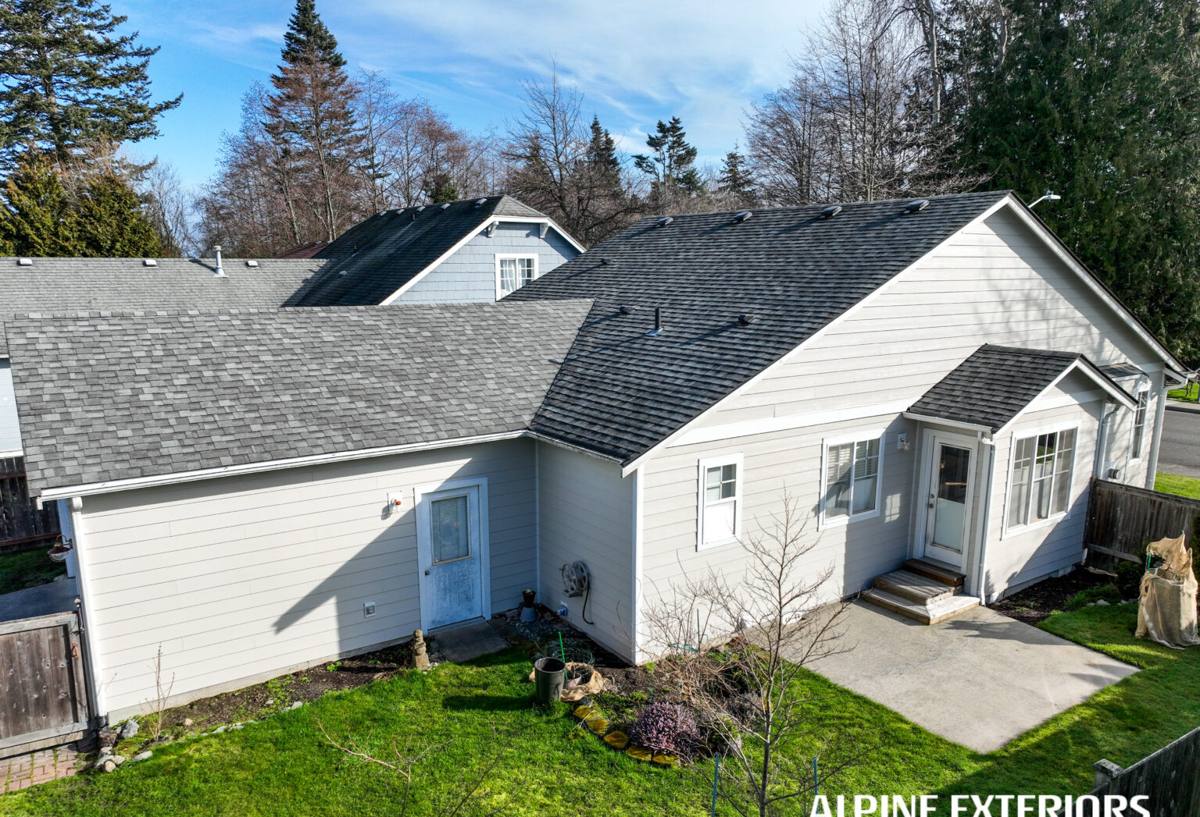
What "Roof Repair" Really Covers
Homeowners often call us about one problem — a stain on the ceiling, a missing shingle after a storm — but a proper repair visit usually involves diagnosing several smaller issues that are related. Roofs fail as systems, not as single components, so a repair has to account for how flashing, underlayment, shingles, and ventilation all interact.
Common Issues We See on Seminole Heights Homes
- Cracked or curling shingles from prolonged UV exposure and heat cycling
- Lifted or missing shingles after high-wind events
- Failed flashing around chimneys, vent stacks, and roof-to-wall transitions
- Nail pops and sealant failure at penetrations
- Granule loss and thinning on older asphalt roofs
- Soft or discolored decking under leak points from wind-driven rain intrusion
- Corrosion or fastener issues on older metal roofing sections
Because many homes in this area have gone through multiple owners and possibly multiple past repairs, we also frequently find shortcuts from previous work — flashing that was caulked over instead of properly replaced, or shingles nailed in without matching the original pattern. Part of an honest repair is flagging that kind of prior work so you know what you're actually dealing with.
Signs You Need a Repair — Not a Full Replacement
Not every roof problem means a new roof. A well-timed repair can add years of service life to a roof that's otherwise sound. Here's what typically points to a repair rather than a replacement:
- Damage is limited to one section or slope of the roof
- The roof deck underneath is still solid, not soft or delaminated
- Shingles elsewhere on the roof are still flat, granulated, and flexible
- The leak traces back to a single flashing or penetration point
- The roof is less than roughly two-thirds through its expected service life
- There's no widespread structural sagging or multiple layers of prior roofing
If several of those don't hold true — for example, if shingles across the whole roof are brittle and granule loss is widespread — a repair may only buy a short amount of time before you're facing the same issue somewhere else on the roof. We'll tell you honestly if that's the situation instead of repeatedly patching a roof that's past the point of cost-effective repair.
What a Correct Repair Actually Involves
A repair done right isn't just replacing what's visibly damaged. It means:
- Identifying the true entry point of water, which is often several feet from where the stain shows up inside
- Removing enough surrounding material to inspect the decking and underlayment condition, not just the surface layer
- Replacing or re-flashing penetrations correctly, with proper step flashing and counterflashing rather than relying on sealant alone
- Matching shingle type, weight, and as close to color as reasonably possible so the repair doesn't stand out or create a mismatched wear pattern over time
- Re-securing fasteners to current wind-resistance standards, not just replacing what was there before
- Checking attic ventilation near the repair area, since poor airflow accelerates shingle aging from the underside
Sealant-only fixes are common in this trade because they're fast and cheap, but in a climate with sustained UV exposure and wind-driven rain, sealant is a short-term patch at best. It dries out, cracks, and fails — often within a season or two — which means the same leak returns, usually after it's done more hidden damage to the decking underneath.
Underlayment and Flashing: The Part You Don't See
Most of what actually keeps water out of a home isn't the shingles — it's the underlayment and flashing beneath them. When we open up a repair area, this is where we spend the most attention, because get it wrong and the repair fails again in the next storm.
| Material | Where It's Used | Trade-Offs |
|---|---|---|
| Traditional felt underlayment | Older roofs, budget repairs | Lower cost, but degrades faster under heat and moisture cycling common in Tampa's climate |
| Synthetic underlayment | Most current repairs and re-decking | More resistant to tearing and moisture absorption; performs better through repeated wet-dry cycles |
| Step flashing | Roof-to-wall and sidewall transitions | Requires correct installation sequence with each shingle course; done wrong, it looks fine but leaks |
| Pipe boot flashing | Plumbing and vent penetrations | Rubber gaskets are the most common failure point on roofs over 10-15 years old; UV breaks down the rubber before the metal base fails |
We default to synthetic underlayment and proper metal step flashing in repair areas because they hold up better to the specific stress Hillsborough County roofs face — repeated heat expansion, sudden heavy rain, and salt air corrosion on fasteners. It costs a little more than the cheapest option, but it's the standard we hold repairs to.
How Our Process Works
We keep the repair process straightforward, because most homeowners just want the leak stopped and an honest explanation of what happened.
- Inspection. We look at the whole roof, not just the reported problem area, since related issues often show up nearby.
- Diagnosis and explanation. We show you what we found and explain what's actually causing the leak or damage before any work starts.
- Written estimate. You get a clear scope of what will be repaired and why, with no pressure to upsell into a full replacement unless it's genuinely warranted.
- The repair. We remove damaged material, inspect the decking, repair or replace flashing and underlayment as needed, and match shingles as closely as possible.
- Cleanup and check. Debris and old materials are cleared from the property, and we do a final check of the repair area and surrounding roof sections.
Repair Costs: What Actually Drives the Price
Roof repair costs vary a lot based on what's actually wrong, not just square footage. Here's what tends to move the price up or down on a typical repair:
| Factor | Effect on Cost |
|---|---|
| Extent of decking damage found once opened up | Rotted or soft decking adds material and labor beyond the original scope |
| Roof pitch and accessibility | Steeper or harder-to-access roofs take longer and require more safety setup |
| Number of penetrations involved (vents, chimneys, skylights) | Each one is a separate flashing detail to redo correctly |
| Shingle availability and matching | Discontinued or uncommon shingle lines can be harder to match, sometimes requiring a larger repair area for a consistent look |
| Storm-related demand | Widespread damage after a major wind event can affect material and scheduling timelines regionwide |
We give a written estimate before starting work, and if we find additional damage once we open up the area — which does happen, especially with older decking — we explain it and get approval before doing anything beyond the original scope.
Why It Matters to Hire a Crew That Already Works This Neighborhood
Seminole Heights has enough of a distinct mix of roof ages, pitches, and past repair work that experience here actually counts for something. A crew that regularly works this part of Tampa has seen how these specific roofs age, what kind of flashing details tend to fail first, and which shingle types hold up versus which ones don't under this area's sun and storm exposure. That's different from general roofing knowledge — it's pattern recognition built from repeated work in one place.
It also matters for response time. Roof damage doesn't wait for a convenient schedule, especially with wind-driven rain — a small opening in the roofing system can let in a surprising amount of water during a single storm. A local crew can typically get to a damaged roof faster than a company dispatching from farther outside the area, which limits how much interior damage develops while you're waiting for repairs.
Protecting the Repair Going Forward
A repair is only as good as what happens to the roof afterward. A few habits go a long way in this climate:
- Have the roof visually checked after any significant wind event, even if nothing looks obviously wrong from the ground
- Keep gutters and valleys clear so water isn't pooling against flashing or shingle edges
- Trim back overhanging branches that can abrade shingles or drop debris during storms
- Watch for granule buildup in gutters, which signals accelerating shingle wear
- Don't ignore small ceiling stains — they're almost always a sign of an active, ongoing leak, not a one-time event
Salt air and UV exposure don't stop working on a roof just because a repair was made. Routine attention between service visits is what keeps a repair from turning into a recurring problem.
If you're dealing with a leak, storm damage, or a roof issue you're not sure about, we're happy to take a look and give you a straight answer — no pressure, no upsell. Use the form below to request a free estimate for your Seminole Heights home.