 Tampa Roofing
 Siding Repair Built for Seminole Heights Homes
Seminole Heights is one of Tampa's older, tree-canopied neighborhoods, and that character comes with a maintenance reality: siding here takes a beating from a mix of shade, humidity, and open exposure depending on the block. Some homes sit under mature oak canopy that keeps moisture trapped against exterior walls longer after a rain. Others sit more exposed to full Florida sun and wind. Either way, siding in this part of Hillsborough County works harder than siding in a drier climate, and repairs that ignore that reality tend to fail again within a year or two.
We do siding repair work throughout the Tampa area, and Seminole Heights shows up on our schedule regularly enough that we know the pattern: older homes with a mix of original and previously-replaced siding, a lot of wood-frame construction, and repair histories that range from solid to patched-over-patches. Our job when we show up isn't just to close up a hole or nail a loose board back down — it's to figure out why that section failed and fix the actual cause.
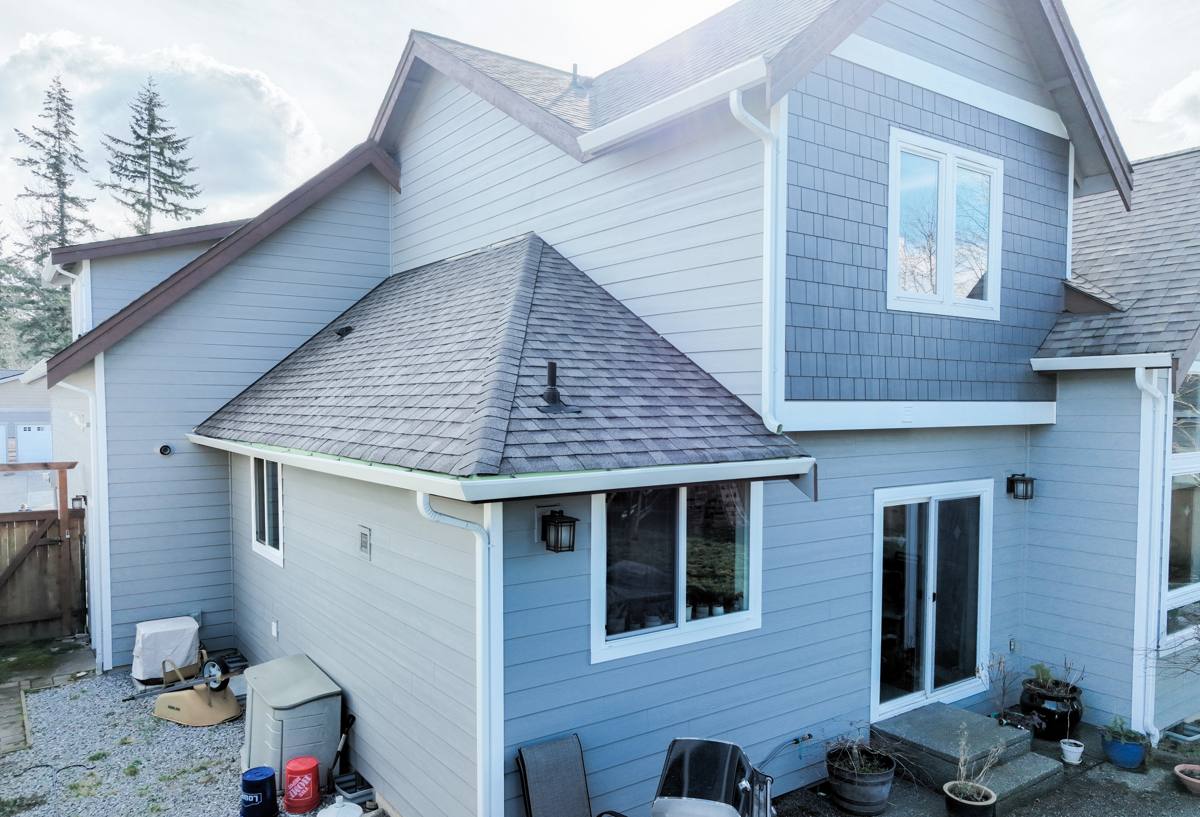
Why Tampa's Climate Is Hard on Siding
Hillsborough County sits in a climate zone that stresses exterior materials from several directions at once, and Seminole Heights isn't exempt from any of it:
- Hurricane-force wind events that can pry loose fasteners, crack brittle panels, and drive rain sideways into seams that are normally dry.
- Intense, near year-round UV exposure that breaks down paint film, fades color, and dries out and cracks materials not engineered for the sun load.
- Wind-driven rain that finds gaps in flashing, trim, and butt joints that would never leak in a calmer climate.
- Salt air carried inland from Tampa Bay, which accelerates corrosion on fasteners and metal flashing even a few miles from the water.
- Humidity and shade, especially under mature tree canopy common in older Seminole Heights lots, which keeps moisture in contact with siding and trim longer after every rain.
Individually, none of these is unusual for Florida. Stacked together, year after year, they're why siding that looks fine from the curb can be quietly failing at the seams, the bottom courses, and around windows and trim.
What Siding Damage Actually Looks Like Here
Storm and Wind Damage
After a significant wind event, the damage isn't always obvious. Panels can be knocked loose without falling off, fasteners can back out just enough to break the seal at a seam, and flashing can shift out of position. We check corners, eave lines, and any section that took direct wind exposure, not just the spots where damage is visible from the ground.
Moisture and Rot
This is the most common failure mode we see on older Tampa-area homes, including plenty in Seminole Heights. Wood-based siding and trim that's been painted over repeatedly without addressing an underlying moisture path will eventually soften, swell, or rot from the inside out. By the time it's visibly bubbling or crumbling at the touch, the damage usually extends further than what's visible.
Sun and UV Breakdown
South- and west-facing walls take the worst of Florida's UV load. Paint chalks and fails faster there, and on materials that aren't UV-stable, the substrate itself can degrade — cracking, warping, or losing structural integrity at the surface.
Impact and Wildlife Damage
Older neighborhoods with mature trees see their share of falling limb damage, and woodpecker or pest damage is common where old wood siding or trim has already started to soften.
What a Correct Repair Actually Involves
A lot of "repairs" in this trade are really just cosmetic patches — caulk over a crack, a new piece of trim nailed over rot, paint over water staining. Those hide the problem for a season or two and then it comes back, usually worse. A repair done right follows a different sequence:
- Find the actual water or wind path. Damage on the surface almost always has a cause somewhere else — a failed seal, missing flashing, a gap at a penetration, or a grading issue directing water at the wall.
- Remove damaged material back to sound substrate. Patching over compromised material just buries the problem under a repair that will fail again.
- Address the underlying cause — reflash, reseal, correct fastening, or fix whatever let water or wind in, before any new siding goes on.
- Match materials and installation method correctly so the repair performs the same as the surrounding siding, not as a mismatched patch.
- Finish and seal properly, including paint or factory-finish matching where visible repairs are involved.
Skip any of those steps and you're paying for the same repair again in a couple of years — sometimes sooner, given how unforgiving this climate is on shortcuts.
Repair or Replace: How We Make the Call
Not every damaged section needs full replacement, but a lot of older Seminole Heights homes reach a point where repair stops making financial sense. Here's how we think through it:
| Factor | Favors Repair | Favors Replacement |
|---|---|---|
| Extent of damage | Isolated section, sound siding elsewhere | Damage spread across multiple walls or elevations |
| Underlying material | Sound substrate, surface-level issue | Widespread rot, soft spots, or repeated past patch jobs |
| Age of existing siding | Relatively recent installation | Original or decades-old material nearing end of service life |
| Repair history | First repair in the area | Same section has been patched more than once before |
| Material type | Hardie or other durable fiber cement | Deteriorating wood, old vinyl, or discontinued product that won't match |
We'll tell you honestly which side of that table your home falls on. If a targeted repair will genuinely hold, we don't push a full replacement — but if the damage pattern points to a bigger underlying issue, we'll say so and explain why, rather than sending someone back out to patch the same wall again next hurricane season.
Why We Repair With James Hardie Fiber Cement
When a repair calls for new siding material — whether it's a full section replacement or matching into existing siding — we install James Hardie fiber cement exclusively. We don't stock or install vinyl, LP SmartSide, Cemplank, Allura, or primed wood siding, and that's a deliberate standard, not an oversight.
Fiber cement is non-combustible, holds up to Florida's UV load without the chalking and fading that plagues lesser materials, and doesn't rot the way wood-based siding does when moisture gets behind it. Hardie's ColorPlus factory finish is baked on under controlled conditions, which gives it a more consistent, longer-lasting color than field-applied paint — a real advantage in a climate that's this hard on exterior paint film. Hardie also engineers regional product lines (HardieZone HZ5/HZ10) specifically for climates like ours, accounting for moisture and humidity exposure that generic siding isn't built around.
When we're repairing into existing Hardie siding, matching is straightforward. When we're replacing failed wood, vinyl, or another material with Hardie, we're upgrading the durability of that section going forward — which matters in a neighborhood where the next tropical system is never more than a season away.
Our Process for Seminole Heights Repairs
- On-site inspection of the damaged area and the sections around it, not just the spot you called about.
- Honest diagnosis of the cause — we explain what we find and why it happened, in plain terms.
- Written scope and estimate before any work starts, so there are no surprises.
- Removal of damaged material back to sound substrate.
- Correction of the underlying issue — flashing, sealing, fastening, or drainage as needed.
- Installation and finish matching so the repaired section performs and looks consistent with the rest of the wall.
- Final walkthrough so you can see exactly what was done and why.
Why a Local Tampa Crew Matters for This Kind of Work
Siding repair isn't a one-size-fits-all trade. A crew that regularly works Hillsborough County neighborhoods like Seminole Heights has already seen how the local building stock, tree canopy, and storm exposure pattern actually plays out on real walls — which is different knowledge than what a crew from outside the region brings. We know what to check for on an older Tampa-area home before we ever pull a panel off, and we're not guessing at how this climate treats different materials over time — we see the results of it on repair calls every week.
Being local also means we're available when a named storm rolls through and Seminole Heights homeowners need someone who already knows their neighborhood, not a crew working from an unfamiliar area for the first time under storm-response pressure.
Get a Free Estimate
If you've got a damaged, soft, or failing section of siding on a Seminole Heights home, we'll come take a look, tell you honestly what's going on, and give you a clear, no-pressure estimate for fixing it right. Fill out the form below to get started.