 Tampa Roofing
 Siding Repair Built for New Tampa's Weather
New Tampa sits inland from the bay but that doesn't spare it from what Hillsborough County weather does to exterior siding. Between hurricane-season wind events, wind-driven rain that gets forced sideways into seams and joints, and some of the most intense year-round UV exposure in the country, siding here ages differently than it does in milder climates. Add the humidity that never really goes away and you have a set of conditions that finds every weak point in a siding system — a loose panel, a gap in caulking, a section where moisture has been quietly working behind the surface.
Siding repair in this area isn't just cosmetic patchwork. Done right, it's about restoring the barrier that keeps water, pests, and UV degradation out of your home's structure. Done wrong — or ignored — small problems compound fast in Florida's climate.
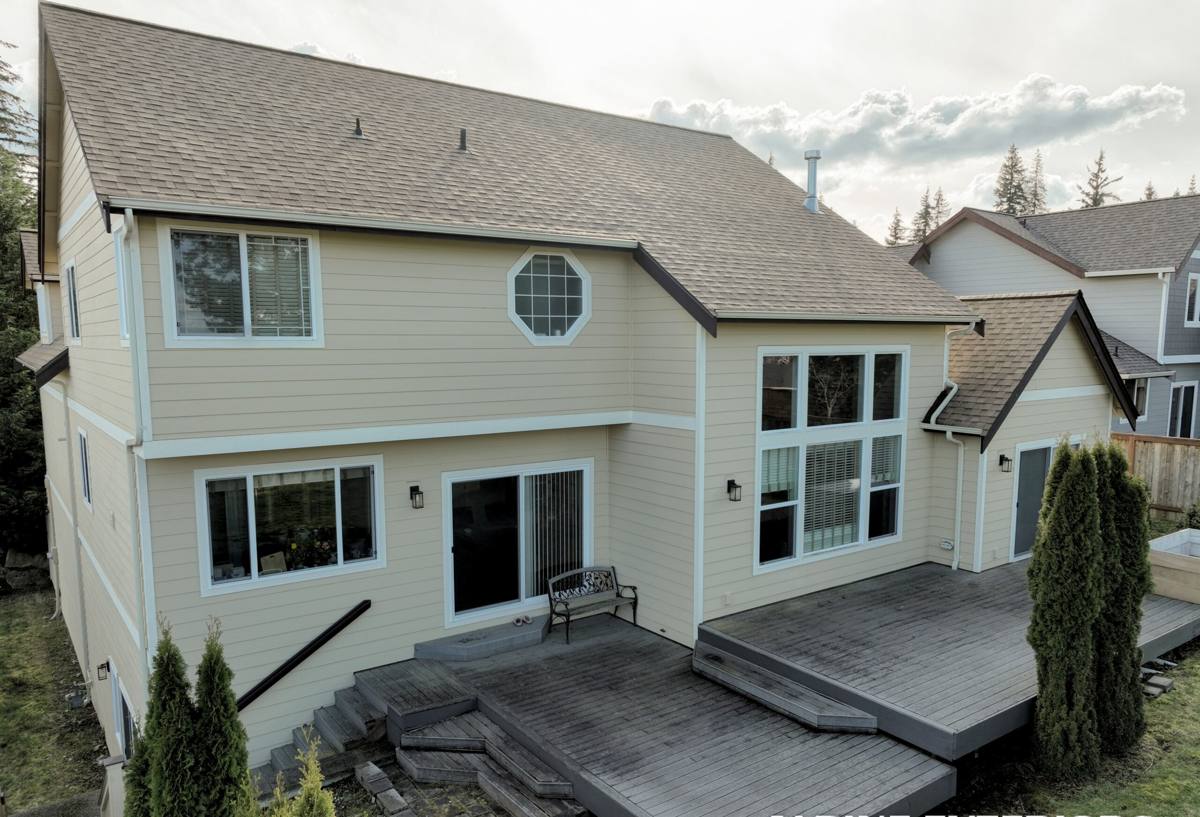
What Tampa's Climate Does to Siding
A few regional factors show up again and again on siding repair calls in this part of Hillsborough County:
- Wind stress: Tropical storm and hurricane-force winds don't just tear siding off in dramatic events — repeated seasonal wind loading gradually loosens fasteners, warps panels, and opens seams over years, well before any single storm causes visible damage.
- UV exposure: Florida's sun breaks down paint films, caulking, and lower-quality siding substrates faster than in most of the country. Fading, chalking, and brittleness are common even on siding that's structurally sound.
- Wind-driven rain: When rain is pushed horizontally by wind, it finds its way into laps, corners, and penetrations that would stay dry in a normal vertical rainstorm. This is where hidden moisture damage usually starts.
- Salt-influenced air: Proximity to Tampa Bay means even inland neighborhoods like New Tampa see some salt content in the air, which accelerates corrosion of fasteners and metal trim over time.
None of this means siding is doomed here — it means repairs need to actually address the cause, not just cover the symptom.
Signs Your New Tampa Home Needs Siding Repair
Most siding problems give warning signs before they become expensive. Homeowners in New Tampa should watch for:
- Panels that have visibly warped, buckled, or pulled away from the wall
- Cracked, split, or missing sections, especially after a storm
- Soft or spongy spots when pressed (a sign of moisture damage behind the surface)
- Persistent staining, streaking, or dark patches that don't wash off
- Gaps or separation at seams, corners, and around windows and doors
- Paint that's peeling, bubbling, or chalking heavily in one area but not others
- Rising utility bills that could point to compromised insulation behind damaged siding
- Visible pest activity — wood siding in particular is vulnerable to this in Florida's humidity
Any one of these on its own might be minor. Several together, or damage concentrated on one wall (usually the side that takes the most wind and rain), usually means it's time for a closer look.
What a Correct Siding Repair Actually Involves
A repair that only addresses what's visible from the ground often misses what caused the damage in the first place. A proper job includes:
Diagnosis Before Anything Gets Replaced
Before pulling a single panel, a competent crew checks what's happening behind the siding — house wrap condition, flashing at windows and doors, and whether water has reached the sheathing. Replacing surface material over an unresolved moisture problem just delays the same repair a year or two down the road.
Addressing the Cause, Not Just the Symptom
If wind-driven rain is getting behind siding at a particular corner or window, the fix needs to include flashing and sealing at that location — not just a new piece of siding nailed over the same vulnerable detail.
Matching Existing Material
Repairs need to blend with what's already on the house in profile, reveal, and color — or the homeowner needs an honest conversation about whether a full section, or the whole elevation, is the better call.
Proper Fastening and Sealing
Given how much wind load Tampa-area siding sees over its lifetime, fastener spacing and sealant choice matter more here than in calmer climates. Corners, laps, and penetrations should be sealed with products rated for sustained UV and moisture exposure.
Repair or Replace? What Actually Determines the Right Call
Not every damaged section needs full replacement, and not every repair is worth doing instead of replacing. The honest answer depends on a few factors:
| Factor | Favors Repair | Favors Replacement |
|---|---|---|
| Extent of damage | Isolated to one or two panels/areas | Spread across multiple walls or elevations |
| Underlying moisture | None found behind the siding | Sheathing or house wrap already compromised |
| Material condition | Rest of siding is sound and holding up well | Existing siding is aging out or was a lower-durability product to begin with |
| Color/material match | Close match available or repair is on a less visible elevation | Product discontinued or fading makes a seamless match impossible |
| Storm history | First instance of damage on the home | Repeated damage in the same area storm after storm |
A trustworthy contractor will tell you when repair is the smarter, more cost-effective move — and when it's just delaying a replacement you'll pay for twice.
Why Material Choice Matters When You Repair
This is where a lot of siding repairs go wrong long-term, and it's worth being direct about it. If the damaged siding on your New Tampa home is vinyl, LP SmartSide, or an unfinished wood product like primed spruce or cedar, a patch repair is only as good as the material it's made from. Vinyl becomes brittle and prone to cracking under Florida UV over time. Wood-based products are vulnerable to moisture intrusion and pest activity in our humidity if the factory finish or seal is ever compromised — which is often exactly what caused the original damage.
We install James Hardie fiber cement siding exclusively, and it's the material we use whenever a repair calls for replacing a section rather than patching it. Hardie's ColorPlus factory finish holds color and resists the fading and chalking that Florida sun causes faster than most other products, and fiber cement doesn't share wood's vulnerability to rot or pests or vinyl's tendency to warp and crack under heat and wind. When we replace a damaged section, we're not just fixing today's problem — we're upgrading that section to a material built for exactly the conditions that likely caused the damage in the first place.
We won't pretend a partial repair with mismatched material is a long-term fix if it isn't. If full transparency means telling you that a repair now means a bigger project in a few years, that's what we'll tell you.
Our Siding Repair Process
- Inspection: We assess visible damage and check for hidden moisture or structural issues behind the affected area.
- Honest assessment: We explain what we found, whether repair or replacement makes sense, and why — no upselling, no downplaying.
- Written estimate: Clear scope and pricing before any work begins.
- Repair work: Damaged material removed, underlying issues addressed, new material installed and properly fastened and sealed.
- Final check: We walk the repair with you before calling the job done.
Why Hiring a Crew That Already Works in New Tampa Matters
Siding repair isn't one-size-fits-all across a region as large as the Tampa Bay area. A crew that regularly works in New Tampa and the surrounding Hillsborough County neighborhoods has a working sense of how local homes are typically built, which siding products are common in the area's housing stock, and what kind of storm exposure and wind patterns tend to cause damage locally. That familiarity shows up in faster, more accurate diagnosis — and in a crew that isn't guessing at what a proper repair for this climate actually requires.
It also matters for response time. After a wind event or storm, damaged siding left exposed can let water into the wall system quickly in Florida's humidity. Working with a contractor already established in the area means less delay between the damage and the fix.
Protecting Your Siding After the Repair
Once a repair is done, a little maintenance goes a long way in this climate:
- Rinse siding periodically to remove salt residue, pollen, and grime buildup
- Keep an eye on caulking and sealant around windows, doors, and corners — Florida sun degrades sealants faster than most regions
- Trim back vegetation touching the siding to reduce trapped moisture
- After any significant storm, do a quick visual check of the areas most exposed to wind
- Address small issues promptly rather than waiting for them to spread
If you're noticing damage, gaps, or wear on your New Tampa home's siding, we're happy to take a look and give you a straight answer about what it needs. Request a free, no-pressure estimate below and we'll walk the property with you.