 Tampa Roofing
 Asphalt Shingle Roofing Built for South Tampa's Conditions
South Tampa sits close enough to the water that homes here take on a different set of stresses than roofs further inland in Hillsborough County. Between Tampa Bay and Hillsborough Bay, the air carries more salt, the afternoon storms roll in fast and hard, and summer sun bakes rooftops for months at a stretch. An asphalt shingle roof that's installed and maintained with those specific conditions in mind will hold up. One that's installed generically, without accounting for wind exposure or coastal moisture, tends to show problems years before it should.
We work on asphalt shingle roofs throughout South Tampa regularly, and this page covers what actually matters for homes in this part of the city: what the climate does to shingles here, what a correct installation or repair involves, and how to think about the decision if you're comparing contractors.
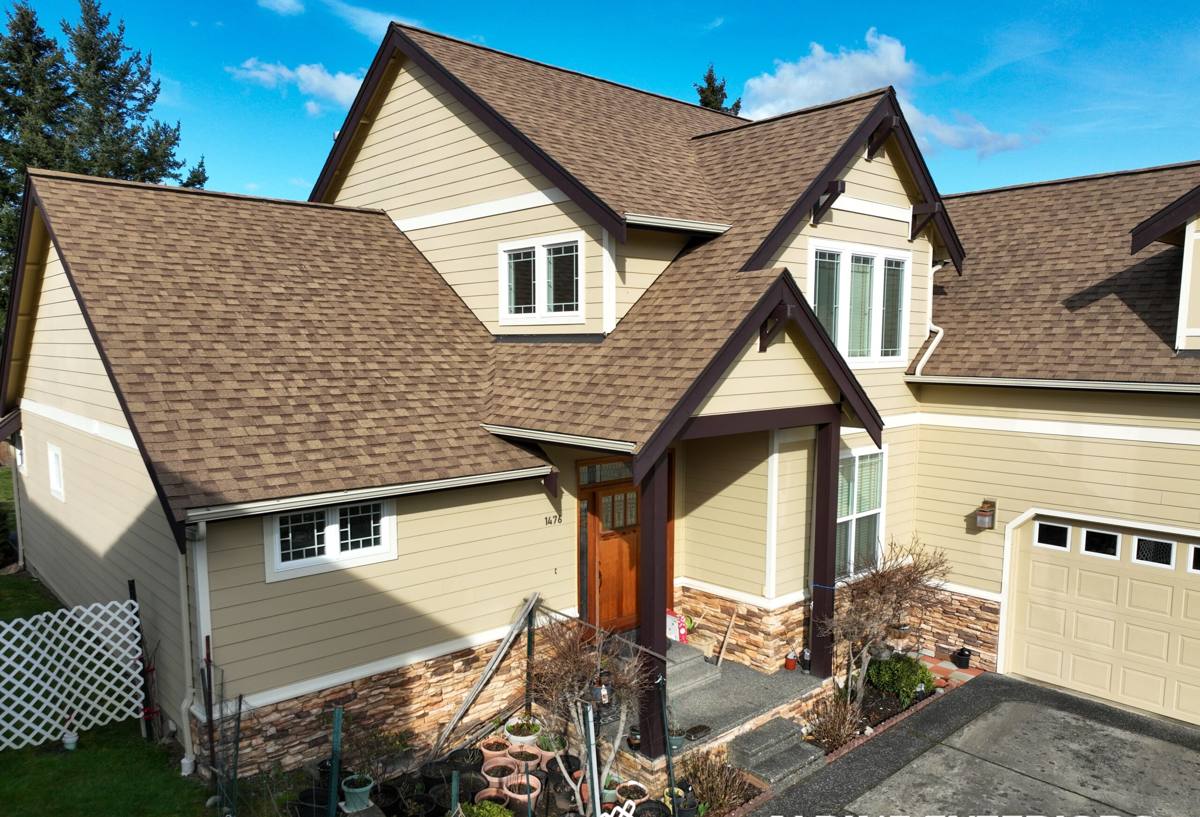
What South Tampa's Climate Does to a Shingle Roof
Hurricane-Force Wind Exposure
South Tampa's peninsula location means wind off the water can hit harder and more directly than it does further inland. During tropical storms and hurricanes, wind doesn't just blow across a roof — it gets underneath shingle edges, especially at ridges, hips, and rake edges, and pries them up. Once a shingle lifts and the seal breaks, that shingle (and often its neighbors) becomes vulnerable in every storm after that, not just the big one that caused it.
Intense, Year-Round UV
Tampa doesn't get much of a winter break from sun exposure. Asphalt shingles rely on their granule coating to block UV rays from breaking down the asphalt underneath. Constant, high-intensity sun accelerates granule loss, and once the asphalt beneath is exposed directly to UV, shingles become brittle faster than the manufacturer's rated lifespan would suggest. This is one of the most common reasons a South Tampa roof ages faster than the same product would in a milder climate.
Wind-Driven Rain
Tampa's storms rarely come straight down. Wind-driven rain gets pushed sideways and upward under shingle tabs, into nail penetrations, and around any flashing that isn't sealed correctly. A roof that would shed water fine in a calm rain can still leak in a South Tampa storm if the underlayment, flashing, and shingle overlap weren't installed with sideways-moving water in mind.
Salt Air and Corrosion
Proximity to the bay means metal components — nails, flashing, vent stacks, drip edge — are exposed to salt-laden air. Standard fasteners and flashing can corrode faster here than they would even a few miles inland. Corroded fasteners lose holding power, which directly undermines a shingle roof's wind resistance right when you need it most.
What a Correct Asphalt Shingle Installation Involves
A shingle roof is a system, not just a layer of shingles. Skipping or under-specifying any one component below is usually where problems start.
- Deck inspection and repair: Any soft, delaminated, or water-damaged decking gets replaced before new shingles go down — shingles nailed over a compromised deck won't hold properly no matter how good they are.
- Underlayment: A synthetic or self-adhering underlayment rated for wind-driven rain, not just a basic felt layer, especially on this side of the county.
- Drip edge and flashing: Corrosion-resistant metal at eaves, rakes, valleys, and around penetrations — sealed and lapped correctly so wind-driven rain can't work its way underneath.
- Starter strip: A proper starter course along eaves and rakes so the first row of shingles has full adhesive backing against wind lift, not just cut-down shingles standing in for a starter.
- Nailing pattern: Correct nail count and placement per the manufacturer's high-wind specification, not the minimum standard pattern — this is one of the single biggest factors in whether a roof survives a wind event.
- Ridge and hip caps: Reinforced ridge cap installation, since ridgelines take the highest wind loads on the entire roof.
- Ventilation: Balanced intake and exhaust ventilation so heat and moisture don't build up in the attic, which shortens shingle life from underneath as well as from the sun above.
Every one of these steps matters more in South Tampa than in a low-wind, low-humidity climate. A shingle roof that's technically "up to code" but installed at the bare minimum on each of these points is the roof that fails first in the next named storm.
How Our Process Works
1. Inspection and Honest Assessment
We start with a full roof inspection — deck condition, existing flashing, ventilation, and how the current shingles are holding up against granule loss and wind lift. We'll tell you plainly whether you need a full replacement, a targeted repair, or whether the roof still has useful life left. We don't sell replacements to homeowners who don't need one yet.
2. Product and Wind-Rating Discussion
We walk through shingle options with an eye on wind rating and warranty structure, not just color and price. For a South Tampa home, we generally steer toward higher wind-rated architectural shingles designed with reinforced nailing zones and better sealant strips — the trade-off is a somewhat higher material cost against meaningfully better wind performance.
3. Written Scope and Timeline
Before any work starts, you get a written scope covering materials, underlayment type, flashing details, and estimated timeline, so there's no ambiguity about what's being installed.
4. Installation with Local Conditions in Mind
Our crews follow manufacturer specifications for high-wind zones as a baseline, not an upsell — proper nailing patterns, sealed flashing, and starter strips are standard on every job we do in this area, because anything less doesn't hold up here.
5. Final Walkthrough
We walk the finished roof with you, cover care and maintenance basics, and make sure you know what your warranty actually covers before we consider the job done.
Comparing Shingle Options for a South Tampa Home
| Factor | 3-Tab Shingles | Architectural (Laminate) Shingles |
|---|---|---|
| Wind resistance | Lower — lighter weight, single layer | Higher — heavier, layered construction rated for stronger gusts |
| Typical lifespan in this climate | Shorter, given UV and salt air exposure | Longer, with heavier granule coverage and thicker asphalt |
| Appearance | Flat, uniform look | Dimensional, shadow-line look |
| Upfront cost | Lower | Moderate to higher |
| Warranty structure | Typically shorter manufacturer terms | Typically longer terms, often with enhanced wind-warranty options |
We don't install 3-tab shingles as our standard recommendation for this area — not because they're a bad product broadly, but because the lighter construction and shorter track record against sustained coastal wind and UV make them a poor match for South Tampa's specific conditions. Architectural shingles cost more up front but tend to be the better long-term value here.
Repair, Recover, or Full Replacement?
Not every issue means a new roof. The right call depends on the roof's age, how widespread the damage is, and whether the deck and underlayment are still sound.
- Repair makes sense for isolated wind damage, a handful of cracked or lifted shingles, or a localized leak — assuming the rest of the roof is in reasonable shape.
- Recover (adding a new layer over existing shingles) is sometimes possible on older roofs but limits your ability to inspect and fix the deck underneath, and most manufacturers won't extend full warranty coverage over it.
- Full replacement is the right move when the roof is near or past its expected lifespan, when granule loss is widespread, or when storm damage is spread across multiple sections rather than isolated.
We'll tell you honestly which category your roof falls into rather than defaulting to the most expensive option.
Maintenance That Extends Roof Life in This Climate
Between the sun, salt air, and storm season, South Tampa roofs benefit from more frequent attention than roofs in milder climates. A simple maintenance checklist:
- Have the roof inspected after any major storm, even if you don't see obvious damage from the ground.
- Keep gutters clear so water isn't backing up under the shingle edge during heavy rain.
- Check attic ventilation periodically — poor airflow accelerates shingle aging from underneath.
- Watch for granule buildup in gutters or downspouts, an early sign of UV-driven wear.
- Have flashing around chimneys, vents, and skylights checked for sealant cracking, since these are common entry points for wind-driven rain.
- Get a professional inspection roughly once a year, not just when a leak already shows up inside.
Why It Matters to Hire a Crew That Works This Area
A roofing crew that regularly works South Tampa knows which details actually get tested here — where wind uplift tends to start on hip roofs, how salt air affects fastener choice, and how storms typically move water sideways rather than straight down. That's different knowledge than general roofing experience from a drier or calmer part of the state. It shows up in the nailing pattern used, the flashing detail at valleys, and the underlayment spec chosen before a single shingle goes down — decisions made once, at installation, that determine how the roof performs years later during the storm that actually tests it.
It also matters for warranty support and follow-up. A local, licensed contractor is easier to reach for a post-storm inspection or a repair years down the line than a crew that came through once and moved on.
Get a Free, No-Pressure Estimate
If your South Tampa roof is showing granule loss, storm damage, or is simply getting up in age, we're happy to take a look and give you an honest read on where it stands. There's no obligation and no pressure — just a straightforward assessment and, if you want one, a written estimate. Use the form below to get started.