 Tampa Roofing
 Why South Tampa Roofs Wear Differently Than Roofs Inland
South Tampa sits closer to open water than most of Hillsborough County, and that proximity changes how a roof ages. Homes here take on salt-laden air off the bay, near-constant UV exposure across our Florida summers, and the kind of wind-driven rain that doesn't just fall on a roof but gets pushed sideways into laps, flashing, and fastener lines. During hurricane season, sustained wind loads test every seam and connection point a roof has. None of this is unique to any one street or subdivision in the area — it's a function of geography, and it means roofs in this part of Tampa tend to show wear in specific, predictable places before they show it anywhere else.
A roof repair here has to account for that. Patching a leak without understanding why water got in during a South Tampa storm, rather than a general Florida storm, is how the same repair gets redone a year later.
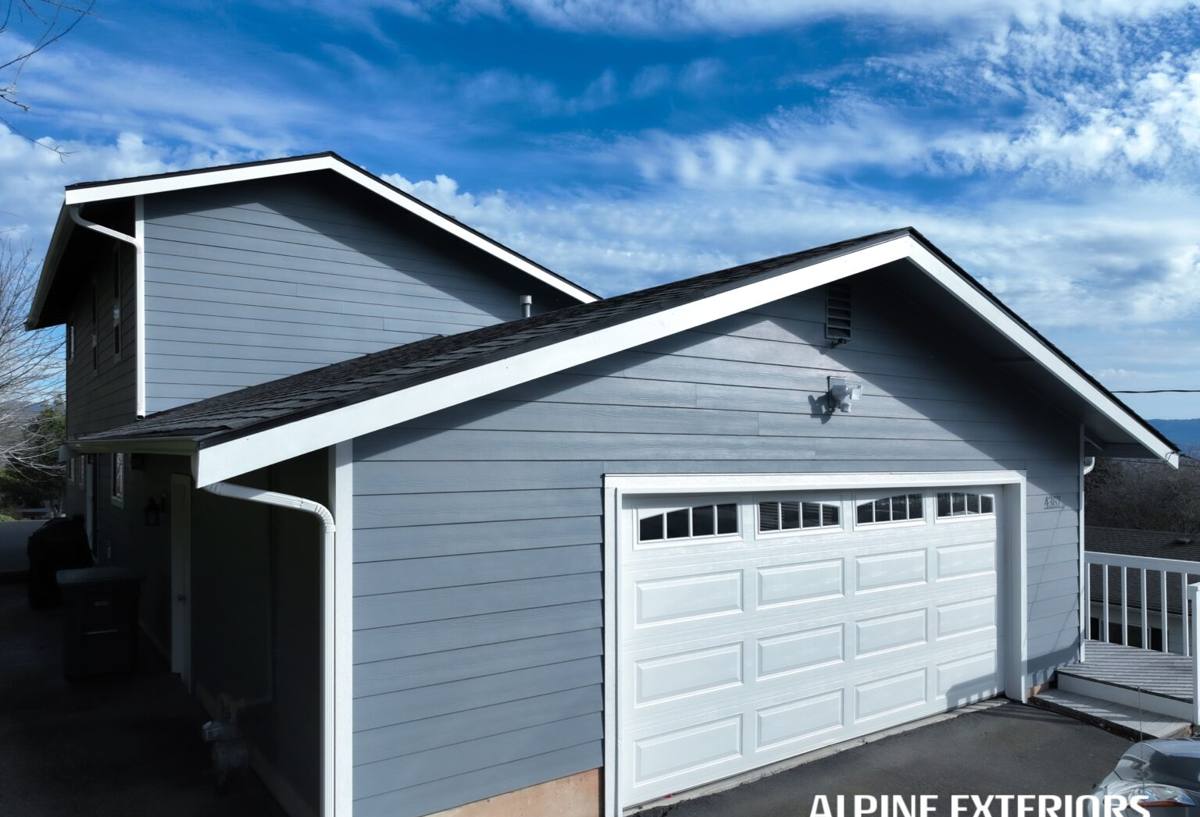
Signs a South Tampa Roof Needs Repair, Not Full Replacement
Most homeowners call us because of a visible symptom — a stain on a ceiling, a shingle in the yard after a windstorm, a soft spot near a vent. The underlying cause is usually smaller and more fixable than people expect. Common early indicators include:
- Water stains on interior ceilings or upper walls, especially after wind-driven rain rather than straight-down rain
- Missing, lifted, or curling shingles concentrated on one slope (often the side facing prevailing wind)
- Granule buildup in gutters or at downspout outlets, a sign of UV and age breakdown
- Rust streaks or gaps around flashing at chimneys, skylights, or roof-wall intersections
- Soft or spongy decking felt underfoot in an attic inspection
- Nail pops or exposed fastener heads where sealant has dried out and cracked
Any one of these on its own is usually a repair, not a replacement. It's when several show up together, or the underlying decking has been wet long enough to soften, that replacement starts to make more financial sense than continued patching. We'll tell you honestly which category your roof falls into.
What a Correct Roof Repair Actually Involves
It Starts Below the Surface
A repair that only addresses what's visible from the ground is a temporary fix. Water rarely enters where it shows up on the interior ceiling — it travels along decking and framing before finding a path down. A correct repair traces the path back to the actual entry point, which is often a failed flashing detail, a cracked pipe boot, or a section of underlayment that's lost its seal, not the shingle directly above the stain.
Matching the Existing System
Roofing systems are assemblies, not just a layer of shingles or tile. Underlayment, flashing metal, fastener pattern, and the field material all need to work together. A repair that mixes incompatible materials — the wrong flashing metal against certain tile, or a shingle repair that doesn't match the existing nailing pattern — can create a new failure point even while it solves the original leak.
Sealing Against Wind-Driven Rain Specifically
Because so much of the water intrusion in this area comes from rain pushed sideways under wind pressure, not straight down, repairs need to address lap direction, sealant placement at horizontal seams, and fastener sealing — not just surface coverage. This is a detail that's easy to skip and hard to notice until the next storm.
Roofing Materials Common in South Tampa and How Each Is Repaired
South Tampa's housing stock ranges from older bungalows to newer construction, and repair approach depends heavily on what's already on the roof.
| Material | Typical Failure Point | Repair Approach |
|---|---|---|
| Asphalt shingle | Wind uplift at edges, UV-brittled tabs, worn flashing seals | Replace damaged shingles in matching profile, re-seal flashing, check nail pattern against current wind-rated standards |
| Concrete or clay tile | Cracked or slipped tiles, underlayment failure beneath intact tile | Careful tile removal and reset, underlayment repair or replacement in the affected section, tile fastener check |
| Metal roofing | Fastener backout, sealant washer degradation, seam separation | Fastener replacement with proper washers, seam re-sealing, panel inspection for corrosion near coastal exposure |
| Flat or low-slope (additions, porches) | Membrane seams, ponding water, flashing at wall transitions | Seam re-adhesion or patching, flashing rebuild at transitions, drainage assessment |
We don't push a material switch during a repair unless the existing system is genuinely at the end of its service life. A well-executed repair on tile, shingle, or metal can extend a roof's life by years — replacement is a separate conversation with its own timeline and budget.
Our Repair Process, Start to Finish
- Inspection. We look at the roof from the ground, from the roof surface where it's safe to walk, and from the attic if accessible, tracing water paths rather than just noting the visible symptom.
- Diagnosis and honest scope. We tell you what's actually causing the issue, what it will take to fix it correctly, and whether a repair is the right call or replacement should be on the table.
- Written estimate. Materials, labor, and scope in plain terms before any work starts — no surprise add-ons once we're on the roof.
- Repair work. Matching materials, correct flashing and fastener technique, and attention to the wind-driven-rain detail that generic repairs often skip.
- Verification. We check the repaired area and surrounding sections to confirm the fix holds and that nothing adjacent was missed.
- Documentation. Photos and a summary of what was done, useful for your records and for insurance if the damage was storm-related.
Repair vs. Replacement: How We Help You Decide
This is the question we get most often, and the honest answer depends on more than the roof's age.
| Factor | Leans Toward Repair | Leans Toward Replacement |
|---|---|---|
| Decking condition | Solid, dry, no soft spots | Soft, delaminated, or repeatedly wet |
| Extent of damage | Localized to one area or slope | Spread across multiple slopes or the whole roof |
| Age of roofing material | Within normal service life for the material | At or past typical service life |
| Repair history | First or second repair in this area | Same area repaired multiple times already |
| Underlayment condition | Intact beneath surface material | Degraded or failing broadly |
We'd rather do an honest $400 repair than talk someone into a roof they don't need yet. If replacement genuinely is the better financial move, we'll explain why in specific terms tied to your roof, not a general sales pitch.
Storm Damage, Timing, and Insurance
After a named storm or a significant wind event, roof damage in South Tampa often isn't dramatic — it's a handful of lifted shingles, a stressed flashing seam, or a tile that shifted just enough to open a gap. Left alone through the next few rain events, that small issue becomes a bigger interior problem. If your damage is storm-related and you're filing an insurance claim, we can document the pre-repair condition clearly, which helps your claim move without unnecessary back-and-forth. We're not a public adjuster and won't promise a claim outcome, but a clear, honest damage record is something we can provide as part of the repair.
Timing matters too. UV exposure and humidity mean small openings in a roofing system don't stay small for long in this climate. A leak that seems minor in dry weather can become significant during the next round of wind-driven rain, so we recommend addressing repair needs before the next storm system rather than after.
Why a Crew That Already Works South Tampa Matters
Roofing crews that work broadly across the Tampa Bay area, rather than specifically in and around South Tampa, sometimes miss the details that matter here — how close-to-water exposure accelerates fastener corrosion, or how certain older home styles in this part of the city were roofed with materials and techniques that need specific handling during a repair. Working this area regularly means we've seen the failure patterns that show up here specifically: the flashing details that fail first, the slopes that take the worst of prevailing coastal wind, and the repair shortcuts that don't hold up through a full Hillsborough County storm season. That familiarity translates into fewer surprises during the inspection and a repair that's built for the conditions your roof actually faces, not generic conditions.
Maintenance Checklist Between Repairs
A repair holds longer when the rest of the roof is kept in reasonable shape. Between service visits, these are worth checking yourself or asking us to check during a routine inspection:
- Gutters and downspouts clear, especially before hurricane season
- No overhanging branches rubbing against roof surfaces
- Visible flashing around chimneys, vents, and skylights still sealed and uncracked
- No granule accumulation increasing at gutter outlets
- Attic checked for musty odor or daylight showing through decking
- Roof re-inspected after any significant wind event, even without visible interior symptoms
None of this replaces a professional inspection, but catching a small issue between visits is often the difference between a simple repair and a bigger one.
Get an Honest Look at Your Roof
If you're dealing with a leak, storm damage, or just want a straight answer on whether your South Tampa roof needs repair now or can wait, we're glad to take a look. The estimate is free, there's no pressure to move forward, and you'll get a clear explanation of what we find. Use the form below to get started.