 Tampa Roofing
 South Tampa's Climate Is Hard on Siding
South Tampa sits close enough to the bay and the Gulf that homes deal with a combination most inland siding never has to survive. Salt-laden air corrodes fasteners and trim hardware over time. Intense, near-daily UV exposure bakes paint and breaks down weaker siding substrates from the outside in. Summer storms bring wind-driven rain that finds every gap, seam, and unsealed joint. And during an active hurricane season, sustained high winds and flying debris can crack, dent, or tear siding loose in a single afternoon.
None of that damage announces itself right away. A cracked panel or a lifted seam that looks minor in October can be letting moisture into the wall assembly by the time the next tropical system rolls through Hillsborough County. Siding repair in this neighborhood isn't just cosmetic work — it's the difference between a contained fix and a sheathing or framing problem down the road.
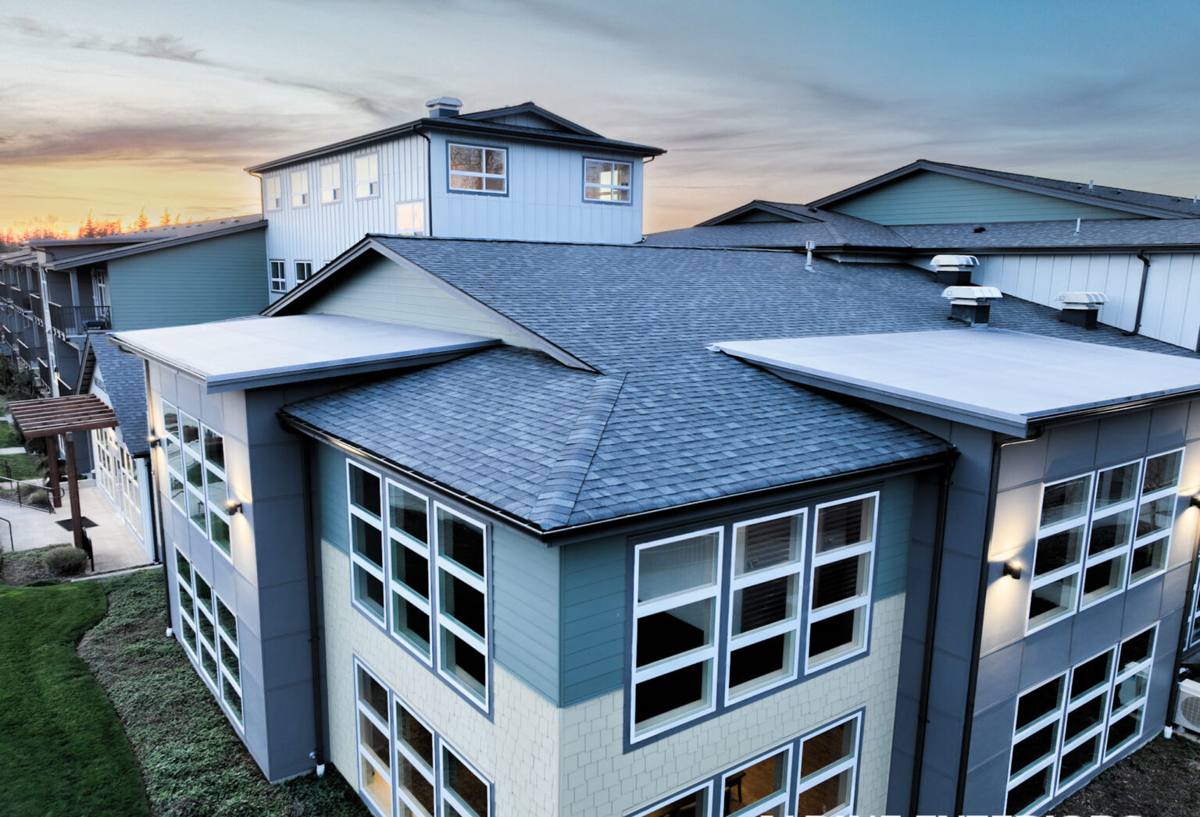
Common Siding Damage We See in South Tampa
Because of the coastal exposure and storm frequency here, certain damage patterns show up again and again on South Tampa homes:
- Cracked, split, or buckled panels from wind pressure or impact debris
- Lifted or separated seams and joints where wind-driven rain has been pushing in
- Soft, spongy, or delaminating sections — a sign of trapped moisture behind the siding
- Fading, chalking, or paint failure from sustained UV exposure
- Corroded or backed-out fasteners, especially on southern and western exposures
- Gaps at trim, corners, and penetrations (vents, hose bibs, light fixtures) where caulking has failed
- Staining or streaking near the roofline or ground level, often pointing to water intrusion rather than a surface issue
If you're seeing any of these on your home, it's worth having it looked at before the next storm season rather than after.
What a Correct Siding Repair Actually Involves
A lot of "siding repair" in this market amounts to caulking over a crack and calling it done. That approach hides a problem instead of fixing it, and on a home exposed to South Tampa's rain and humidity, trapped moisture behind siding causes far more damage than the original crack ever would. A repair done right involves a few non-negotiable steps.
1. Find out what's behind the panel
Any damaged section gets pulled and inspected before anything goes back up. That means checking the house wrap or weather-resistant barrier, the sheathing underneath, and the framing for signs of moisture intrusion, soft wood, or mold. Patching over a wet wall assembly just buys a few more months before the problem resurfaces — usually bigger.
2. Address the water path, not just the symptom
Most siding failures in this area trace back to a water intrusion point — a failed seal at a window, a gap at trim, improper flashing, or a seam that was never lapped correctly in the original install. Replacing the damaged board without correcting the water path means the same section fails again.
3. Match the existing material and finish
Repairs should blend in, not stand out. That means matching plank width, reveal, texture, and — as closely as the product line allows — factory finish color, so the repaired section doesn't read as an obvious patch from the street or from a neighbor's porch.
4. Reseal and refasten to spec
Correct fastener type, spacing, and placement matter as much on a repair as they do on a full install. Improper fastening is one of the most common causes of repeat siding failure in coastal Florida climates, where thermal movement and wind load are both higher than average.
Repair or Replace? How to Think About It
Not every damaged section needs a full re-side, but a full re-side is sometimes the more honest recommendation than another round of patching. Here's how we walk homeowners through that decision:
| Situation | Repair Usually Makes Sense | Replacement Usually Makes Sense |
|---|---|---|
| Damage extent | Isolated to one or two sections, wall assembly is dry | Spread across multiple elevations or recurring in the same areas |
| Underlying material | Original siding is a product we can source or closely match | Original material is discontinued, degraded, or a product we don't install (vinyl, LP SmartSide, cedar, etc.) |
| Moisture history | First-time issue, clear single cause (impact, sealant failure) | Chronic water intrusion, soft sheathing, or mold found behind multiple sections |
| Age of siding | Siding is younger and otherwise in good condition | Siding is near or past its expected service life |
| Homeowner goals | Budget-focused, home not being sold soon | Preparing to sell, want a stronger warranty, or upgrading materials |
We'll tell you honestly which category your home falls into — there's no reason to sell a full re-side when a proper repair will hold up, and no reason to keep patching a wall that's going to keep failing.
Our Siding Repair Process
- On-site inspection. We assess visible damage and check surrounding areas for signs of moisture that haven't shown up as visible damage yet.
- Open and inspect. Damaged sections are removed so we can see the house wrap, sheathing, and framing underneath before we quote anything.
- Honest scope and estimate. You get a clear explanation of what's actually needed — repair, partial replacement, or full re-side — and why.
- Correct the water path. Any flashing, sealant, or barrier issue that caused the damage gets fixed, not just covered.
- Install matched material. We repair with James Hardie fiber cement, matched as closely as possible to your home's existing plank profile and finish.
- Final seal and cleanup. Trim, caulking, and touch-up work are finished to blend with the surrounding siding, and the site is cleaned before we leave.
Why We Repair With James Hardie Fiber Cement
We install James Hardie fiber cement exclusively — we don't install vinyl, LP SmartSide, Cemplank, Allura, or primed wood products, including on repair work. That's a deliberate standard, not a sales pitch, and it applies directly to South Tampa's climate.
Fiber cement doesn't warp, swell, or rot the way engineered wood products can when they take on moisture, which matters in a market with this much humidity and wind-driven rain. It's non-combustible, which is a real consideration during dry spells and with the density of homes in this part of Tampa. And Hardie's ColorPlus factory finish is baked on and engineered to resist UV fading far better than field-applied paint — a meaningful advantage given how much direct sun South Tampa gets year-round.
When we patch a section of existing Hardie siding, we can typically match plank profile, reveal, and finish closely enough that the repair disappears into the wall. If your home currently has a different siding material — vinyl, wood, or an engineered wood product — we'll be upfront that a true seamless patch isn't realistic, and we'll walk you through whether a full re-side to Hardie makes more sense than chasing a cosmetic match that won't hold up.
Why It Matters to Hire a Crew That Already Works This Neighborhood
South Tampa isn't generic Hillsborough County — it has its own mix of older homes, newer construction, and everything in between, often on lots close enough to the water that wind exposure and moisture behavior differ block to block. A crew that already works this area regularly has a feel for which elevations take the worst weathering, how local permitting and inspection tends to go, and what kind of water intrusion patterns show up in homes of a given age or construction style here.
That familiarity shows up in small but real ways: knowing to check specific trim details that tend to fail first in this climate, understanding how storm season timing affects scheduling, and being able to source matching material without a long lead time because we already carry what South Tampa homes are commonly sided with.
Cost Factors for Siding Repair
Every repair is different, so we don't quote blind — but these are the main factors that drive cost on most South Tampa jobs:
| Factor | Why It Affects Cost |
|---|---|
| Size and number of damaged sections | More linear footage and more separate repair areas mean more labor and material |
| Condition behind the siding | Sheathing or framing repair adds scope beyond the siding itself |
| Height and access | Second-story or hard-to-reach sections require additional equipment and time |
| Material match | Matching an existing Hardie profile and color is more efficient than sourcing a discontinued or non-Hardie product |
| Trim and detail work | Corners, window trim, and penetrations often need attention alongside the field siding |
We provide a specific, itemized estimate after the on-site inspection rather than a rough number over the phone — the only way to price this accurately is to see what's actually happening behind the damaged siding.
Signs It's Time to Call
- Cracked, missing, or visibly displaced siding panels after a storm
- Soft spots when you press gently on a section of siding
- Staining, streaking, or discoloration that keeps returning after cleaning
- Caulking that's cracked, shrunk, or pulled away from trim and seams
- A musty smell near an exterior wall, especially after heavy rain
- Paint or finish that's chalking, peeling, or fading unevenly
If your South Tampa home is showing any of these signs, it's worth getting ahead of it. We're happy to come take a look, explain honestly what we find, and put together a free, no-pressure estimate — whether that ends up being a targeted repair or a broader conversation about your siding's long-term condition.