 Tampa Roofing
 Storm Damage Roof Repair Built for Riverview's Weather
Riverview sits inland from Tampa Bay in southeast Hillsborough County, which doesn't spare it from the same weather that hammers the coast. Homes here take on straight-line thunderstorm winds nearly every summer afternoon, occasional tropical system and hurricane bands that track through the interior, and hail events that are easy to underestimate because the damage isn't always obvious from the ground. A roof that looks fine after a storm can still have compromised seals, lifted shingles, or bruised underlayment that turns into a leak weeks later.
We work on roofs throughout the Riverview area and see the same patterns storm after storm. This page covers what storm damage actually looks like on homes in this part of Hillsborough County, what a proper repair involves, and how our process works from the first call to the final inspection.
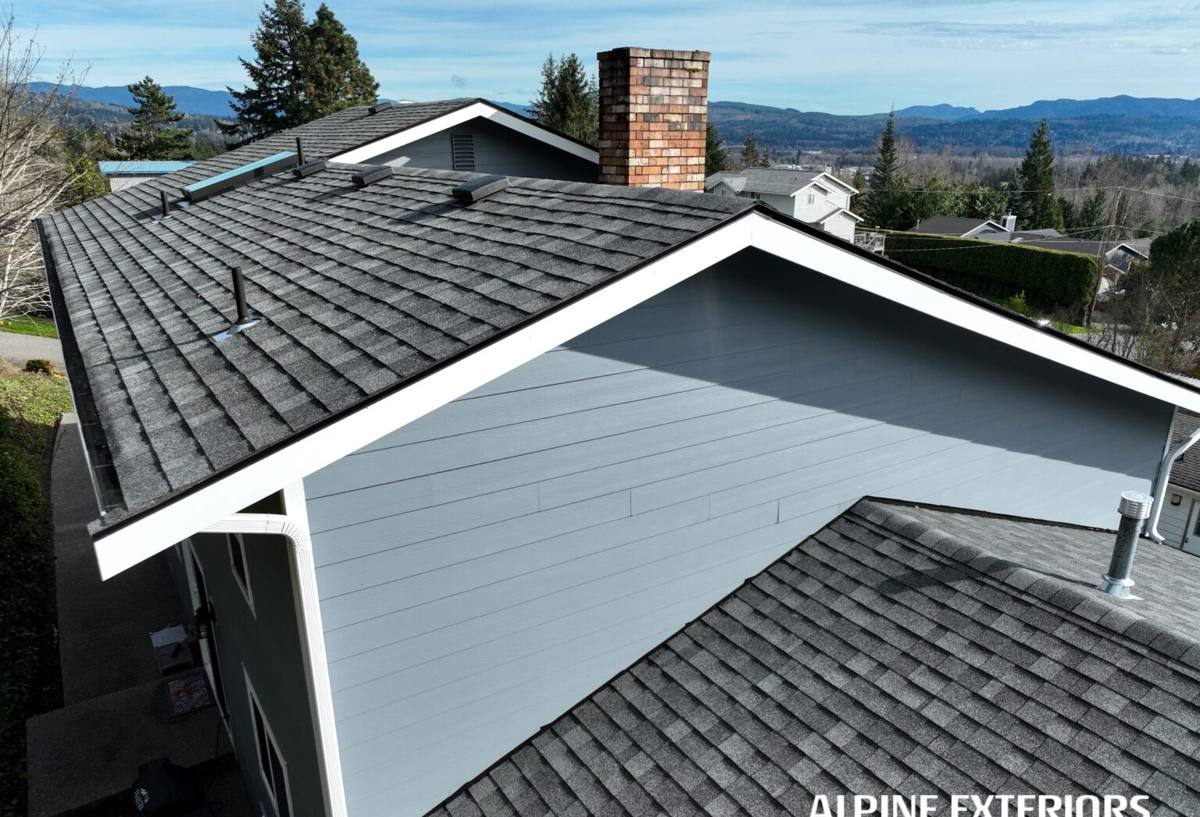
Why Storm Damage Here Isn't Like Storm Damage Everywhere
A roof's job in this climate is different from a roof's job in a drier, milder region, and that shapes how storm damage develops and how it needs to be repaired.
Wind-Driven Rain
Straight-line winds and tropical systems in this part of Florida rarely bring rain that falls straight down. It comes in sideways, which means it gets pushed under shingle edges, around flashing, and into any gap that a calm-weather rain would never reach. A repair that only patches the visible tear but doesn't reseal the surrounding courses will fail the next time wind direction shifts.
Year-Round UV Exposure
Florida sun is intense for most of the year, and it breaks down shingle granules, dries out sealant strips, and makes roofing material more brittle over time. A roof that's already sun-baked is more vulnerable to wind and hail damage than a newer one, and it also means storm damage tends to show up faster on an aging roof — cracked shingles that might flex under impact on a newer roof will crack outright on an older one.
Hurricane-Force Wind Loads
Even when a storm's eye stays offshore or well south, Hillsborough County regularly sees tropical-storm-force gusts. Wind doesn't just tear shingles off — it gets up and under roof edges and can peel back sections in a way that starts small and spreads with each subsequent event if it's not corrected.
Salt Air's Reach Inland
Riverview isn't beachfront, but Tampa Bay's salt air still travels inland on wind, and it accelerates corrosion on exposed metal — flashing, nail heads, gutter hardware, and vent stacks. Corroded fasteners and flashing are a common hidden cause of leaks that show up after a storm even when the shingles themselves look intact.
What Storm Damage Actually Looks Like
Some damage is obvious. A lot of it isn't, which is exactly why insurance claims get denied and why leaks show up long after the storm has passed.
| Damage Type | What It Looks Like | Why It Matters |
|---|---|---|
| Wind-lifted shingles | Edges curled up, shingles missing entirely, or exposed nail heads | Breaks the water seal between courses; next rain gets underneath |
| Hail bruising | Soft dark spots, granule loss in a scattered pattern, dents on soft metal (vents, gutters) | Weakens the shingle's waterproofing layer even without a visible hole |
| Flashing separation | Gaps at chimneys, walls, valleys, or skylights | One of the most common leak points after wind events |
| Underlayment tears | Not visible without removing shingles | Leaves the roof deck exposed even if shingles above look okay |
| Debris impact | Punctures or cracked shingles from tree limbs or wind-thrown objects | Creates a direct entry point for water |
The Correct Repair Process, Step by Step
1. Full Roof Inspection, Not Just a Look at the Obvious Spot
We inspect the entire roof, not just the area where damage was reported. Wind and hail rarely affect only one section, and a storm strong enough to cause visible damage in one area has usually stressed the whole roof system, including flashing, vents, and roof-to-wall transitions.
2. Emergency Tarping When Needed
If there's an active leak or exposed decking, the priority is stopping water intrusion before it causes interior damage. A proper tarp job is secured well enough to hold through follow-up storms, not just draped over the damaged area.
3. Documentation for Insurance
We photograph and document damage in a way that supports an insurance claim — dated photos, specific locations, and a clear description of the damage type and likely cause. This matters because adjusters look for evidence that damage is storm-related and recent, not pre-existing wear.
4. Removing and Replacing Only What's Compromised
Not every storm requires a full roof replacement. Where damage is isolated, we remove and replace the affected shingles, underlayment, and flashing, matching materials as closely as possible. Where damage is widespread or the roof was already near the end of its service life, we'll tell you honestly if a full replacement is the more cost-effective path.
5. Resealing and Reinforcing Vulnerable Points
Because wind-driven rain finds every gap, we pay particular attention to resealing shingle edges, flashing joints, and penetrations — not just the torn section — so the repair holds up under the next round of Gulf-fed weather.
6. Final Walkthrough and Warranty Documentation
We walk the completed repair with the homeowner, explain what was done, and provide documentation for both our workmanship warranty and any manufacturer coverage that applies to the materials used.
Repair vs. Replacement: How We Help You Decide
Homeowners often assume storm damage means a full replacement, and sometimes it does — but not always. The right call depends on a few honest factors.
- Age of the roof: A roof already past 15-18 years with storm damage on top of sun-related wear is often better replaced than patched repeatedly.
- Extent of the damage: Isolated damage to one slope or a small area is usually a repair. Damage spread across multiple slopes points toward replacement.
- Underlying deck condition: If water has been getting in for a while, the decking underneath may be soft or rotted, which changes the scope of the job.
- Insurance coverage: Depending on your policy and the claim, a full replacement may be more cost-effective than several partial repairs over time.
- Matching materials: If your shingle line is discontinued or sun-faded compared to what's available now, a repair may leave a visible patch — worth knowing before you decide.
What a Storm-Damage Repair Estimate Depends On
Costs vary by project, but the factors that drive price are consistent. Getting a written, itemized estimate is the only reliable way to know what a specific job will cost.
| Cost Factor | Why It Affects Price |
|---|---|
| Size of the damaged area | A single lifted section costs far less to fix than a multi-slope repair |
| Roof pitch and access | Steeper or harder-to-access roofs take longer and require more safety equipment |
| Underlayment and decking condition | Rotted decking or saturated underlayment adds labor and material beyond the visible shingle repair |
| Flashing and metal work involved | Chimney, valley, and vent flashing repairs require more precision than open-field shingle replacement |
| Material matching | Matching an older shingle color or profile can affect sourcing and cost |
| Emergency vs. scheduled work | Emergency tarping and after-hours response carries different pricing than a scheduled repair |
Working With Your Insurance Company
Filing a storm damage claim goes more smoothly when the documentation is solid from the start. We're not a public adjuster and we don't represent your insurance company — our role is to give you an accurate, honest assessment of the roof's condition and put it in writing in a way that supports your claim, whatever the adjuster ultimately decides.
A few things that help the process:
- File the claim promptly — most policies have windows for reporting storm damage.
- Get a professional inspection before the adjuster visits, so you know what to point out.
- Keep records of the storm date, and any local weather reports or NOAA data covering the Hillsborough County area on that date.
- Don't sign a full-replacement contract with anyone before your claim is assessed, unless emergency tarping is required to prevent further damage.
Why It Matters That We Already Work in Riverview
A crew that already services this part of Hillsborough County knows what the local building department expects for permitting, understands how HOA architectural guidelines here typically handle roof repairs, and has a working sense of which manufacturers and suppliers stock shingle lines that match what's already on Riverview roofs. That local familiarity shortens the time between the first call and the repair being done — which matters more than usual after a storm, when every day with an active leak adds risk to your interior, insulation, and drywall.
We also know that Riverview homes span a wide range of ages and roof types, from newer construction to homes built well before current wind-mitigation codes. A repair on a newer roof and a repair on an older one call for different judgment calls, and that only comes from having actually worked on roofs like yours in this specific area.
A Quick Checklist Before You Call Anyone
- Note the date and rough time of the storm that caused the damage.
- Take photos from the ground if it's safe to do so — don't get on the roof yourself.
- Check attic or ceiling areas for water stains, even faint ones.
- Look for granules collecting in gutters or downspouts, a sign of hail or wind abrasion.
- Avoid signing any contract or insurance assignment until you've had an independent inspection.
- Get a tarp on any active leak as soon as it's safe — waiting makes interior damage worse.
Get an Honest Assessment
If a recent storm has left you wondering whether your roof needs attention, we'll come take a look, give you a straight answer about what we find, and put together a written estimate — no pressure either way. Use the form below to request a free storm damage assessment for your Riverview home.