 Tampa Roofing
 Storm Damage Roofing Built for South Tampa's Exposure
South Tampa sits closer to open water than almost any other part of Hillsborough County, and that changes what a roof has to survive. Homes here take on wind-driven rain off the bay, salt-laden air that eats at metal fasteners and flashing, and the kind of direct tropical system exposure that inland Tampa neighborhoods are partially shielded from. When a storm rolls through, the damage isn't always dramatic — a handful of lifted shingles, a soft spot around a vent boot, a bruised ridge cap — but left alone, those small openings turn into interior leaks and rot within a season or two.
We repair storm-damaged roofs across South Tampa as a routine part of our work, not a rare emergency call. That matters because storm repair isn't the same trade as a routine reroof — it requires knowing what wind and water do to a roof system, how to document it correctly, and how to put it back together so it survives the next storm rather than just looking fixed.
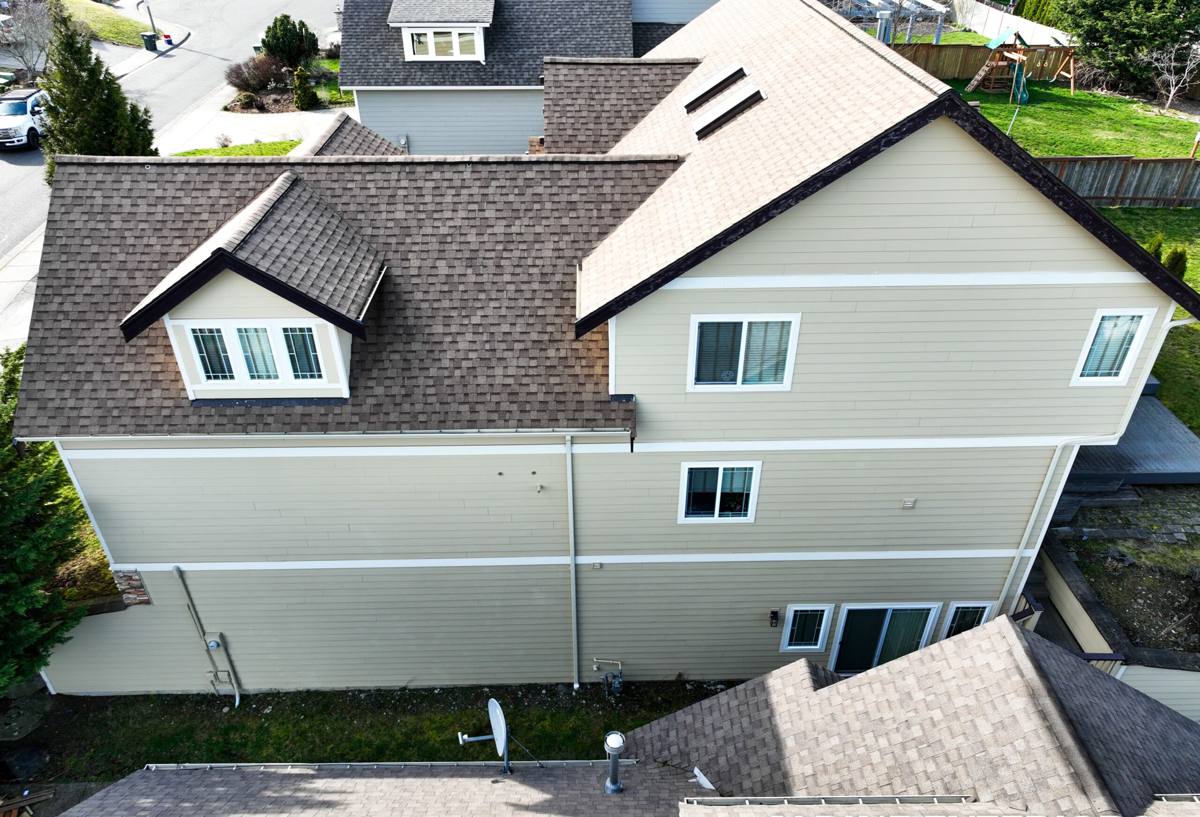
What Tampa Bay Storms Actually Do to a Roof
Understanding the failure pattern is the first step to repairing it correctly. Hurricane-force and tropical-storm-force winds don't usually rip a roof off in one piece — they work at the edges and the seams.
Wind Uplift at Edges and Ridges
Wind moving over a roof creates negative pressure (lift) that's strongest at the edges, corners, and ridge line. This is where shingles, drip edge, and ridge cap first separate from the deck, even when the field of the roof looks fine from the ground.
Wind-Driven Rain Intrusion
Florida storms rarely bring rain that falls straight down. Wind pushes rain sideways and even upward under shingle tabs, through nail holes, and around penetrations like plumbing vents, chimneys, and skylights. A roof can pass a casual visual check and still be taking on water at every one of those points.
Impact and Debris Damage
Tree limbs, loose gutters, and airborne debris cause point damage — cracked tiles, punctured shingles, dented metal panels, or torn flashing — that's easy to miss unless someone gets up on the roof and looks closely.
UV and Salt Air as Compounding Factors
Tampa's near year-round sun exposure bakes asphalt shingles and dries out sealant strips faster than in cooler climates, so roofs here are often already brittle before a storm hits. Add South Tampa's salt air, which accelerates corrosion on exposed nails, flashing, and metal roofing panels, and you get a roof that's more vulnerable to storm damage than the same roof would be twenty or thirty miles inland.
Signs You Need a Storm Damage Inspection
Some damage is obvious right after a storm. Other damage shows up weeks or months later as a stain on the ceiling. Watch for:
- Missing, cracked, or curled shingles, or shingles with granules missing (visible as bald, shiny patches)
- Lifted or missing ridge cap pieces along the roof's peak
- Bent, lifted, or missing flashing around chimneys, vents, and skylights
- Cracked or slipped roof tiles, or dented metal panels
- Granules collecting in gutters or at downspout outlets after rain
- New ceiling stains, musty odors in the attic, or visible daylight through the roof deck
- Soft or spongy spots when walking the roof (a sign of underlying wood rot)
- Debris, branches, or punctures resting on or embedded in the roof surface
If a hurricane, tropical storm, or severe thunderstorm with high winds has passed through South Tampa, we recommend a roof inspection even if nothing looks wrong from the driveway. Small entry points are far cheaper to seal now than to remediate after they've caused interior damage.
What a Correct Storm Damage Repair Involves
A rushed storm repair — a few new shingles nailed over old damage — often fails within a year because it treats the symptom, not the cause. A correct repair follows a sequence:
1. Full Roof Inspection, Not Just the Obvious Spot
We check the entire roof, not just where the homeowner saw damage. Wind damage is frequently worst at edges, hips, and ridges that aren't visible from the ground, and one damaged area is often a sign there are others.
2. Deck Assessment
If water has been getting in for any length of time, the plywood or OSB decking underneath may be soft, delaminated, or rotted. Shingles or tiles installed over compromised decking will fail again — the deck has to be sound before anything goes back on top of it.
3. Matching Repair Scope to Damage Type
Isolated wind damage (a few tabs, one section of ridge) is usually a spot repair. Widespread granule loss, multiple damaged sections, or a roof already near the end of its service life often makes a full section replacement or reroof the more honest recommendation — patching a roof that's structurally at the end of its life just delays a bigger repair and can complicate an insurance claim.
4. Flashing and Penetration Detail
Most leaks trace back to flashing, not the field of the roof. Every repair we do includes checking and, where needed, replacing flashing around vents, chimneys, walls, and skylights — the places wind-driven rain finds first.
5. Proper Fastening and Sealing for Wind Resistance
We fasten and seal repairs to current wind-resistance practice, not just to "match what was there," since what was there may be part of why the roof failed in the first place.
Our Storm Damage Repair Process in South Tampa
- Inspection and documentation. We assess the full roof, photograph damage, and identify both visible and hidden problem areas.
- Written scope and estimate. You get a clear explanation of what's damaged, what needs to be repaired, and an honest cost range before any work starts.
- Insurance coordination, if applicable. If you're filing a claim, we provide documentation your adjuster can use and can walk the roof with them if needed.
- Repair. Deck repair or replacement first, then flashing, then shingles, tile, or metal panels, matched to the existing roof where possible.
- Final walkthrough. We review the completed repair with you and confirm the area is fully sealed and weathertight.
Insurance Claims and Storm Damage in Hillsborough County
Many South Tampa homeowners deal with storm damage through their homeowner's insurance policy. A few things matter here: document damage as soon as it's safe to do so, avoid unnecessary delay in requesting an inspection (which can raise questions about whether damage is storm-related or pre-existing), and get a written, itemized scope of repair rather than a verbal estimate. We provide the documentation and scope adjusters expect to see, but we don't handle the claim itself or promise a specific settlement outcome — that's between you and your insurer. Our job is to give you an accurate, defensible picture of what the roof actually needs.
Repair vs. Replace: Cost Factors to Weigh
| Factor | Favors Spot Repair | Favors Full Replacement |
|---|---|---|
| Extent of damage | Isolated to one section or a few penetrations | Spread across multiple slopes or the ridge |
| Roof age | Roof is relatively young, rest of the field is sound | Roof is already near the end of its expected life |
| Deck condition | Decking is solid where exposed | Deck shows rot, soft spots, or delamination |
| Material availability | Matching shingles or tiles are still available | Discontinued material makes patching visually and functionally inconsistent |
| Storm history | First significant damage event on this roof | Roof has taken repeated storm hits over several seasons |
We'll always give you our honest read on which side of this table your roof falls on — there's no benefit to us in replacing a roof that only needs a repair, and no benefit to you in patching one that needs to be replaced.
Materials We Work With
South Tampa has a mix of roof types — architectural asphalt shingles, concrete and clay tile, and standing-seam or exposed-fastener metal roofing are all common. Each responds to storm damage and repair differently:
- Asphalt shingles: Most repairable, but sealant strips degrade faster under intense UV exposure, so older shingle roofs may not reseal as tightly after a repair as a newer roof would.
- Tile: Individual tiles crack or slip more easily than they leak on their own — most tile leaks trace back to the underlayment beneath the tile, so a tile repair often means lifting tiles to check what's underneath, not just replacing the broken piece.
- Metal: Durable against wind uplift when properly fastened, but salt air accelerates corrosion at fasteners and seams, so we pay close attention to fastener condition and sealant at panel laps during any metal roof repair.
Preventive Steps Between Storms
A well-maintained roof holds up to wind and rain far better than a neglected one. Between storm seasons, we recommend:
- An annual roof inspection, ideally before hurricane season ramps up
- Trimming back tree limbs that overhang the roof
- Keeping gutters and downspouts clear so wind-driven rain has somewhere to go
- Resealing or replacing worn flashing and boots before they fail, not after
- Addressing minor shingle or tile damage promptly instead of waiting for the next storm to make it worse
Why Work With a Crew That Already Knows South Tampa
A roofer who works this part of Hillsborough County regularly understands things a crew coming from farther away doesn't have to think about: how much faster UV exposure ages asphalt shingles here, how salt air changes what fastener and flashing choices hold up long-term, and what wind-driven rain does at a typical South Tampa roof pitch and penetration layout. That local pattern recognition means a faster, more accurate first inspection and a repair scope that accounts for conditions specific to this area rather than a generic checklist.
If your roof took a hit in a recent storm, or you just want peace of mind before the next one, we're glad to come take a look. Reach out for a free, no-pressure estimate using the form below.