 Tampa Roofing
 Storm Damage Roof Repair for Ybor City Homes
Ybor City sits close enough to Tampa Bay that its roofs take the full brunt of what Gulf storms bring: sideways rain, sustained tropical-storm and hurricane-force wind gusts, and the kind of afternoon thunderstorm cells that build fast over Hillsborough County almost every summer afternoon. Add in the salt-laden air drifting off the bay and the relentless year-round Florida UV, and you have a climate that ages roofing materials faster than almost anywhere else in the country. A roof that looks fine from the sidewalk can already have compromised flashing, lifted shingles, or a saturated underlayment underneath.
Storm damage repair isn't just patching what's visibly broken after the last named storm. Done right, it's an inspection-driven process that finds where wind and water actually got in, repairs the roofing system so it performs the same way it did before the storm, and leaves the home better prepared for the next one.
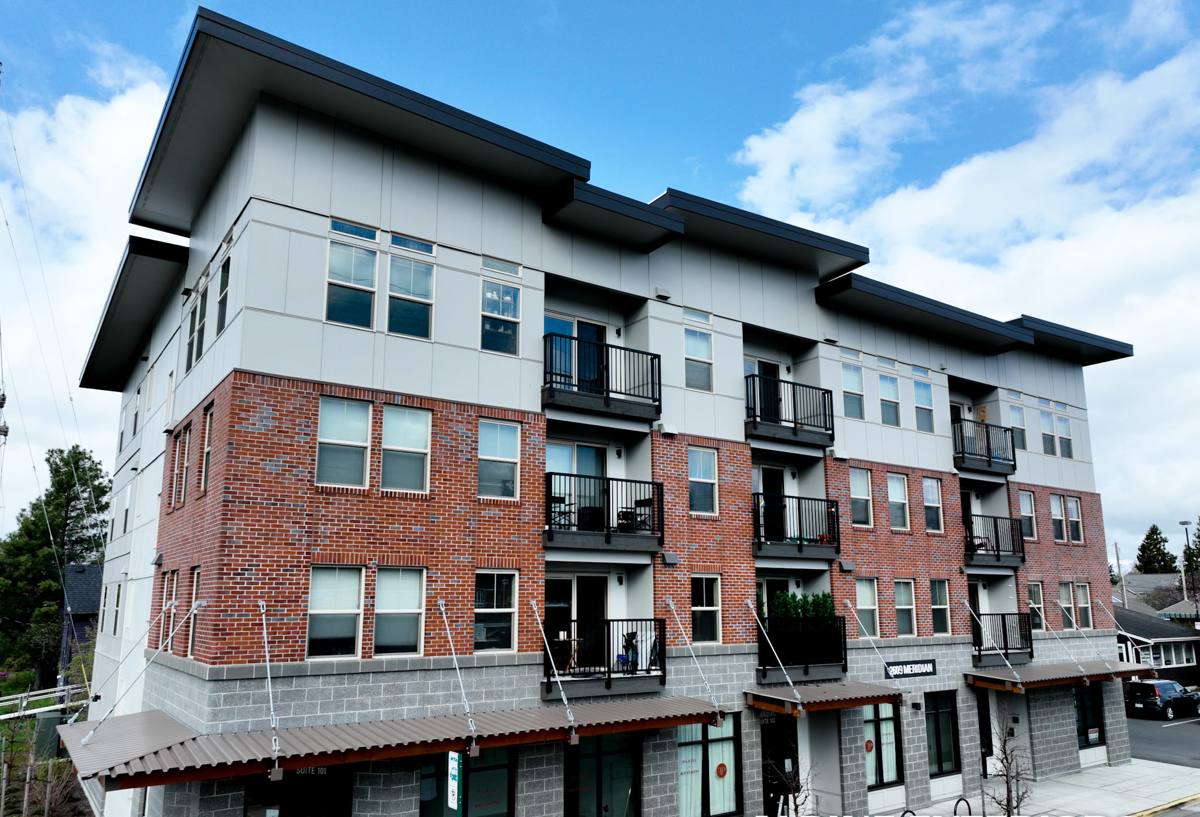
What Storm Damage Actually Looks Like on a Tampa Roof
Wind Damage
Wind doesn't usually rip a roof off in one dramatic moment. More often it works at the edges and corners first — the areas with the least fastening and the most uplift pressure. Shingles crease, lift, or blow off entirely near ridges, rakes, and eaves. Nails back out just enough to break the seal strip, so a shingle looks intact but is no longer watertight. On metal roofs, wind can loosen panel fasteners or lift seams that were never quite tight to begin with.
Wind-Driven Rain and Water Intrusion
Tampa storms rarely fall straight down. Wind-driven rain gets pushed sideways and upward under shingle tabs, around vent boots, and behind flashing that's only designed to shed water moving downhill. This is why interior water stains often show up days after a storm has passed — water worked its way through a small gap and took time to travel through the decking and insulation before it became visible on a ceiling.
Debris Impact
Older tree canopy in and around established neighborhoods like Ybor City means limbs and branches come down in high wind. Even smaller debris moving at wind speed can bruise or puncture shingles, dent metal panels, and crack tile — damage that's easy to miss during a quick visual check from the ground.
Why Ybor City's Housing Stock Needs a Closer Look
Ybor City is a mix of older, historic-era homes alongside newer infill construction and renovated properties. That mix matters for storm repair. Older roof decking and older flashing details weren't always built to current wind-uplift standards, and decades of prior repairs — some done well, some done as quick patches — can hide behind a roof surface that looks uniform. A repair crew working in this neighborhood needs to recognize the difference between a modern roof system with a manufacturer-rated wind warranty and an older roof that's been patched over time, because the right repair approach is different for each.
Proximity to downtown Tampa and the bay also means more salt exposure in the air than you'd get further inland in Hillsborough County. Salt air accelerates corrosion on exposed fasteners, flashing, and metal roofing components, which is a factor we account for when specifying repair materials, not just matching what's already there.
Repair vs. Replacement: How We Make the Call
Not every storm-damaged roof needs to be replaced, and not every roof can be responsibly patched. The decision comes down to the extent of the damage, the age and condition of the existing roof, and whether the damage is isolated or symptomatic of a roof that was already near the end of its service life.
| Factor | Favors Repair | Favors Replacement |
|---|---|---|
| Roof age | Under 10-12 years, or recently replaced | Nearing or past manufacturer's expected lifespan |
| Damage pattern | Isolated to one slope or area | Widespread across multiple slopes |
| Underlying decking | Dry, sound wood underneath | Soft spots, rot, or repeated past leaks |
| Shingle/material condition elsewhere | Granule loss and wear are minimal | Significant granule loss, brittle shingles, or curling already present |
| Insurance scope | Adjuster scope matches a repair | Adjuster or engineer determines full-slope or full-roof replacement is warranted |
We walk homeowners through this honestly. A patch on a roof that's already failing is a short-term fix that costs more in the long run; a full replacement on a roof that only needs targeted repair is money that didn't need to be spent.
What a Proper Storm Damage Repair Involves
Full Roof Inspection, Not Just the Obvious Spot
We start at the ridge and work the entire roof, not just the area where a leak showed up inside. Wind and water damage is frequently found in a second location the homeowner never noticed — a lifted ridge cap, a compromised pipe boot, or flashing pulled loose at a wall intersection.
Documentation
Every repair we scope is photographed and documented before work begins. If a homeowner is filing an insurance claim, this documentation supports the claim and gives the adjuster a clear, dated record of what the storm caused versus pre-existing wear.
Correct Repair, Not a Visual Match Only
Matching shingle color is secondary to matching function. Flashing gets rebedded or replaced with the correct profile, not just resealed with caulk. Underlayment that got wet gets replaced, not dried out and left in place. Fasteners exposed to salt air get upgraded to corrosion-resistant hardware where it matters.
Our Process
- Initial contact and scheduling — usually within a day or two of a storm event, sooner for active leaks.
- On-site inspection covering the full roof, attic access where possible, and visible interior signs of intrusion.
- Written scope of repair with photos, explained in plain terms before any work starts.
- Insurance coordination if the homeowner is filing a claim, including meeting the adjuster on-site when needed.
- Repair work performed with materials matched to the existing roof system and upgraded where the original installation was undersized for coastal wind exposure.
- Final walkthrough and close-out documentation for the homeowner's records.
Materials and Methods We Use in This Climate
For asphalt shingle roofs, we specify shingles and fastening patterns rated for high-wind coastal exposure rather than a standard inland spec, and we use self-adhering underlayment at eaves, valleys, and penetrations — areas most exposed to wind-driven rain. For metal roofing repairs, we match fastener type and gasket condition rather than simply reusing existing screws, since UV and salt exposure degrade rubber washers well before the metal itself fails.
We're selective about some repair shortcuts that are common in this market — for example, we don't rely on surface sealants or roof coatings as a substitute for correcting a flashing detail, because coatings mask a problem temporarily but don't address the water path underneath. It's a maintenance burden that comes back, usually at a worse time. Our standard is to fix the actual point of entry.
Working With Your Insurance Claim
Storm damage claims move faster and go smoother when the scope of work is well documented and matches what an adjuster observes on-site. We're not a public adjuster and we don't handle the claim itself, but we provide the inspection report, photos, and repair scope homeowners need to support their claim, and we're available to meet the adjuster at the property to walk the damage together. Being clear and specific about what's storm-caused versus pre-existing wear helps avoid disputes later.
Why Local Experience in Ybor City Matters
A crew that regularly works this part of Tampa knows what the housing stock in and around Ybor City tends to have — the age range of roofs, the common flashing details on older versus newer construction, and how quickly salt air and UV exposure show up on materials here compared to more inland parts of Hillsborough County. That familiarity means fewer surprises once a repair is underway and a more accurate scope from the first inspection, rather than change orders once the roof is opened up.
Reducing Storm Damage Before the Next One
A few maintenance habits go a long way toward limiting damage the next time a storm rolls through the bay area:
- Trim tree limbs that overhang or sit close to the roofline before hurricane season
- Have pipe boots and rubber flashing components inspected every year or two — they wear out well before shingles do
- Clear gutters and downspouts regularly so wind-driven rain has somewhere to go
- Check attic ventilation and insulation after any known leak, even a small one, to prevent hidden moisture damage
- Schedule a post-storm inspection after any significant wind event, even without a visible leak
If your Ybor City roof took a hit in a recent storm — or you just want an honest inspection before the next one arrives — we're happy to take a look. Fill out the form below for a free, no-pressure estimate.