 Tampa Roofing
 Board & Batten Siding for Town 'n' Country Homes
Town 'n' Country sits in Hillsborough County, close enough to Tampa Bay that homeowners here deal with the full menu of Gulf Coast weather: hurricane-force wind gusts during storm season, relentless year-round UV that breaks down cheap coatings, wind-driven rain that finds every gap in a siding system, and salt-laden air that accelerates corrosion on fasteners and trim. Board and batten siding — with its vertical boards and raised battens covering the seams — is a popular look in this part of Tampa because it reads as clean, modern, and a little more distinctive than standard lap siding. But that same profile, with more seams and more edges exposed to the elements, means it has to be installed with more discipline than a typical horizontal siding job, or it becomes the first thing on the house to fail.
This page covers what board and batten siding needs to hold up in Town 'n' Country specifically, what a correct installation actually involves, and why the crew doing the work matters as much as the material itself.
Why This Style Fits the Neighborhood
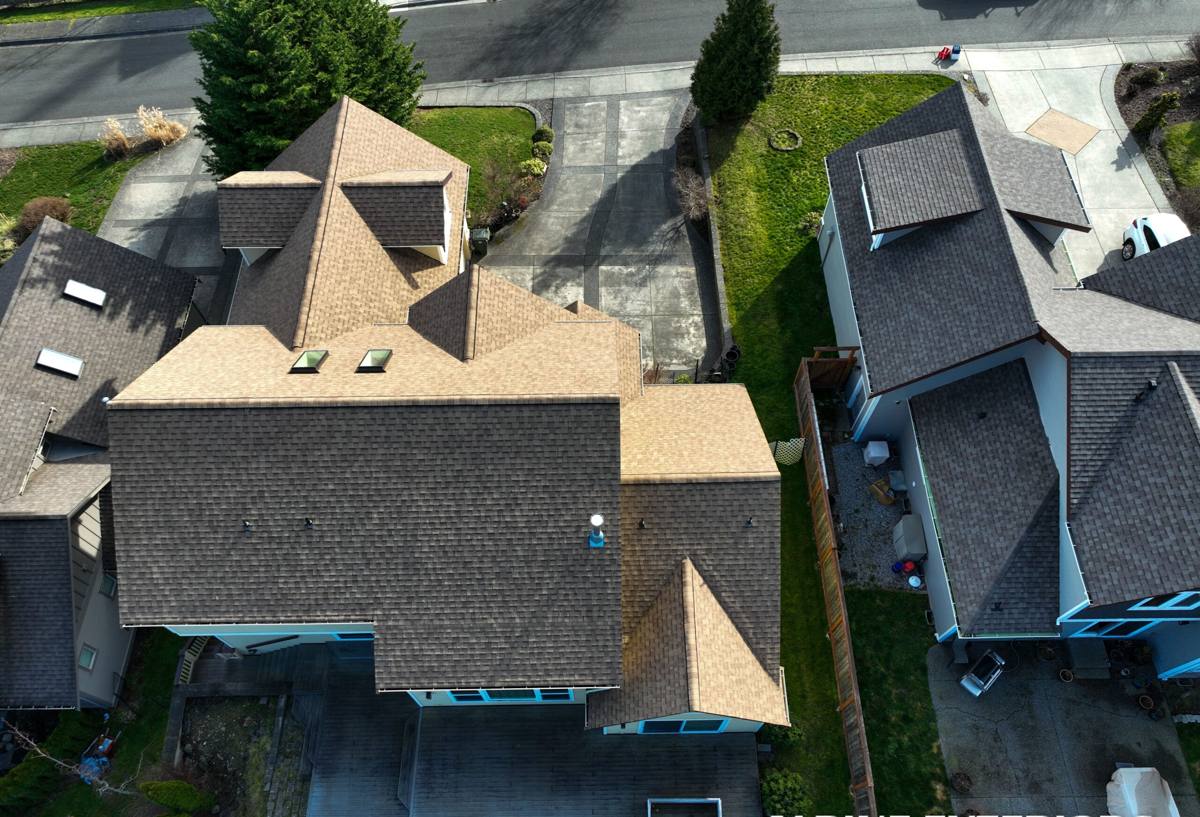
Board and batten works well on the ranch-style and mid-century homes common throughout this part of Hillsborough County, and it's increasingly used as an accent on gables, porch fronts, and additions even when the rest of the house keeps a traditional lap profile. The vertical lines break up long, flat wall sections and give a home a more custom look without changing the footprint or roofline. That said, board and batten is not simply a cosmetic choice — the way it sheds water, handles wind pressure, and ages in direct sun is different from lap siding, and that difference matters more in a climate like Tampa's than it would somewhere with milder weather.
What Correct Board & Batten Installation Actually Involves
The visual result of board and batten siding is simple — vertical boards, battens over the seams — but the assembly behind it is where jobs succeed or fail. A siding crew that treats this like a straightforward panel install is setting the homeowner up for problems within a few storm seasons.
Drainage Plane and Furring
Board and batten should be installed over a drainage plane with a furring strip system that creates an air gap behind the boards. This gap lets any moisture that gets past the outer layer drain and dry out instead of sitting against the wall sheathing. Skipping the furring strips and fastening boards flat to the sheathing is a common shortcut that traps moisture against the wall — a bigger risk in a humid, storm-prone climate than almost anywhere else in the country.
Fastening Pattern and Batten Spacing
Every board and every batten needs to be fastened into structural framing or properly spaced furring, not just into sheathing, with fastener spacing tight enough to resist the uplift and lateral loads that come with Hillsborough County wind events. Batten width and spacing also need to stay consistent — inconsistent reveals aren't just a cosmetic flaw, they usually point to a crew that isn't following a layout plan, which raises questions about what else got rushed.
Flashing and Moisture Management
Every horizontal transition — window heads, door trim, roof-to-wall intersections, the bottom termination near grade — needs proper flashing and a drip edge. Board and batten has more vertical seams than lap siding, which means more places where wind-driven rain can push water sideways if the flashing details aren't right. This is the single most common failure point on board and batten jobs, and it's almost always invisible until water damage shows up on the inside of a wall.
Why We Only Install James Hardie Fiber Cement for This Application
Board and batten siding is sold in several materials, and each one behaves differently once it's exposed to Tampa's sun, humidity, and storm cycles. We install James Hardie fiber cement exclusively — we do not install vinyl board and batten, LP SmartSide, cedar, or primed spruce versions — and it's worth explaining why, honestly, rather than just stating a preference.
| Material | How It Holds Up in This Climate | Trade-Off |
|---|---|---|
| Vinyl board & batten | Won't rot, but can warp or crack under sustained heat and UV exposure and is more vulnerable to wind damage at panel edges | Lower upfront cost, shorter realistic lifespan in intense sun and storm wind |
| Cedar or primed spruce | Attractive natural look, but wood is directly vulnerable to moisture, humidity, and insect activity common in this region | Requires ongoing painting, sealing, and inspection to avoid rot |
| LP SmartSide (engineered wood) | More moisture-resistant than raw wood, but still a wood-strand product that depends on caulking and coating staying intact at every cut edge and seam | Edge sealing and maintenance schedule matter more here than in drier climates |
| James Hardie fiber cement | Non-combustible, dimensionally stable in heat and humidity, factory ColorPlus finish resists UV fading better than field-applied paint | Higher material and labor cost, requires correct fastening and flashing to perform as designed |
None of these products are "bad" — vinyl and engineered wood both have legitimate uses and satisfied customers elsewhere. But for a coastal-adjacent climate with heavy UV load, hurricane wind exposure, and salt air, we've made fiber cement our standard because it holds its shape, color, and structural integrity longer under those specific stresses, and because Hardie's HZ5 product line is engineered for exactly this kind of climate zone. When we recommend a board and batten replacement or new install in Town 'n' Country, it's James Hardie — that's the extent of what we offer, and we'd rather be upfront about that than sell something we don't stand behind long-term.
Our Process for Town 'n' Country Projects
- On-site inspection: We look at the existing wall assembly, current siding condition, trim and flashing details, and any moisture or storm damage before quoting anything.
- Measurement and layout planning: Board width, batten spacing, and reveal are planned out for the specific elevations of the home, not just ordered as a generic kit.
- Material selection: We walk homeowners through Hardie's board and batten options and ColorPlus finishes suited to the house and HOA guidelines where applicable.
- Removal and prep: Old siding, damaged sheathing, and any compromised weather barrier are addressed before new material goes up — not covered over.
- Installation: Furring, drainage plane, flashing, and fastening are done to manufacturer spec, not shortcut to save labor time.
- Final walkthrough: We review the finished work with the homeowner, including caulking, trim, and any touch-up needs.
What Tampa-Area Weather Does to Board & Batten Over Time
Even correctly installed siding ages, and it's worth knowing what to expect. Constant UV exposure will eventually dull any exterior finish — factory-applied finishes like Hardie's ColorPlus system resist this far longer than field-applied paint, but nothing is immune to years of Florida sun. Wind-driven rain during storm season tends to expose weak flashing details first, usually at window heads or the bottom termination near grade, so those are the areas most worth a periodic look. Salt air moving inland from the bay accelerates corrosion on fasteners and metal flashing, which is one more reason to use corrosion-resistant fasteners and flashing components rather than the cheapest option available.
Maintenance Checklist for Board & Batten Siding in This Climate
- Inspect caulking at trim, window, and door joints annually and after major storms
- Check the bottom termination point near grade for staining, softness, or gaps
- Look for lifted or loose battens after high-wind events
- Rinse siding periodically to remove salt residue and organic buildup
- Watch for hairline cracks at cut ends, which are the most common entry point for moisture
- Repaint or refinish per manufacturer guidance if using a non-factory-finished product
Why Hiring a Crew That Already Works in Town 'n' Country Matters
Siding performance in Hillsborough County isn't just about material choice — it's about whether the crew understands local wind load expectations, how local permitting and inspection processes work, and what HOA architectural standards look like in this specific area. A crew that regularly works in Town 'n' Country and the surrounding Tampa communities has already worked through those logistics on other homes nearby, which tends to mean fewer surprises with scheduling, permitting delays, or inspection callbacks. It also means the crew has seen firsthand how board and batten installed in this area actually ages, not just how it performs in a manufacturer's climate-controlled test.
Cost Factors for Board & Batten Siding Projects
| Factor | Why It Affects Cost |
|---|---|
| Home size and elevation count | More square footage and more architectural detail (gables, dormers) means more cutting, fitting, and labor time |
| Condition of existing sheathing | Rot or water damage found during removal adds repair work before new siding can go up |
| Trim and flashing complexity | Homes with more windows, doors, and roof intersections require more detailed flashing work |
| Finish selection | Factory ColorPlus finishes cost more upfront than primed material but reduce repainting costs over time |
| Accessibility | Multi-story sections or tight lot lines can increase labor time and equipment needs |
We don't quote board and batten projects off a flat per-square-foot number sight unseen — the factors above genuinely change the scope of the work, and an honest estimate reflects the actual condition of your home rather than a generic average.
If you're considering board and batten siding for a home in Town 'n' Country, we're happy to take a look and give you a straightforward, no-pressure estimate — just fill out the form below.