 Tampa Roofing
 Roof Replacement in Town 'n' Country
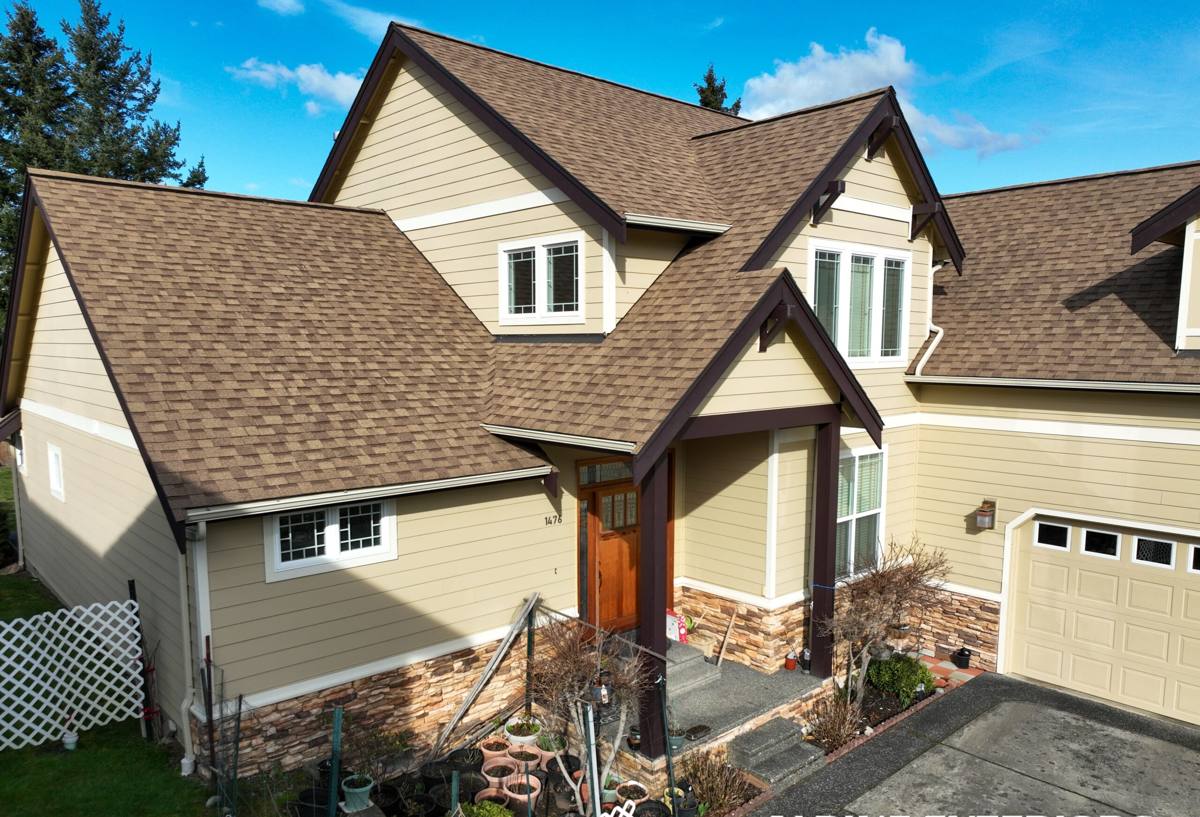
Town 'n' Country sits in the heart of Hillsborough County, close enough to Tampa Bay that salt air, humidity, and storm exposure all factor into how long a roof actually lasts. The neighborhood has a mix of housing stock — ranch-style homes from the 1960s and 70s, later additions, and newer infill construction — which means roof age, decking condition, and original construction quality vary a lot from block to block. A roof replacement here isn't a one-size-fits-all job. It has to account for what the house has already been through and what Tampa's climate is going to keep throwing at it.
We work in this area regularly, which matters more than it might sound like. Knowing the typical roof ages, common decking issues, and how local permitting works saves time and avoids surprises once a tear-off starts.
Why Roofs Wear Out Faster in This Climate
Hillsborough County roofs deal with a combination of stresses that inland or northern climates simply don't see:
- Intense, year-round UV exposure that breaks down asphalt shingle granules and dries out sealants faster than manufacturer ratings often assume.
- Wind-driven rain during summer storms and hurricane season, which finds weak points in flashing, underlayment, and shingle seals that a straight-down rain never would.
- Hurricane-force wind events that test every fastener, nail pattern, and edge detail on the roof — the details most likely to be shortcut on a rushed or underpriced job.
- Salt air carried inland from the Gulf and Tampa Bay, which accelerates corrosion on exposed metal fasteners, flashing, and vent boots.
None of these factors are unique to Town 'n' Country, but together they mean roofs in this part of Tampa often show granule loss, seal failure, and flashing corrosion years before a comparable roof would in a milder climate. That's why we don't treat a Tampa roof replacement like a generic reroof — the materials, fastening schedule, and flashing work all get chosen with these conditions in mind.
Signs Your Town 'n' Country Roof Needs Replacing (Not Just Patching)
Not every roof problem calls for a full replacement, but there's a point where repairs stop being cost-effective. Common signs we see on inspections in this area include:
- Shingles that are cupping, curling, or losing granules in large patches rather than isolated spots
- Multiple past repairs in different areas of the roof, suggesting the whole system is aging out together
- Soft spots or sagging in the decking, often found only once shingles are pulled back
- Recurring leaks around penetrations — vents, chimneys, skylights — even after flashing repairs
- Visible daylight or water staining in the attic, especially after wind-driven rain events
- A roof approaching or past 20 years old (asphalt shingle) or showing age-related wear regardless of a manufacturer's stated lifespan
If your roof is showing two or more of these, a replacement is usually the more honest recommendation than another round of patching.
Insurance and Storm Considerations
After a significant wind or hail event, homeowners in this area often need documentation for an insurance claim. We can inspect and document damage clearly, but we're upfront that our job is to give you an honest assessment of the roof's condition — not to inflate a claim. If the damage doesn't warrant a full replacement, we'll tell you that directly.
What a Correct Roof Replacement Actually Involves
A roof replacement is more than swapping old shingles for new ones. In a wind- and rain-exposed area like Town 'n' Country, the details underneath the shingles matter as much as the shingles themselves.
Tear-Off and Deck Inspection
We remove the old roofing system down to the deck rather than layering over it. This is the only way to actually see the condition of the decking — soft, delaminated, or water-damaged plywood needs to be replaced before anything new goes down, and there's no way to know that's needed without pulling the old layer off first.
Underlayment
Given how much wind-driven rain this area sees, we install underlayment rated for that kind of exposure, with particular attention to eave and valley areas where water pressure concentrates during storms.
Flashing
Flashing around chimneys, walls, vents, and roof-to-wall transitions is one of the most common leak points on any roof, and it's often the piece that gets rushed on a lower-quality job. We replace flashing rather than reusing old pieces, since corroded or improperly seated flashing is a leak waiting to happen.
Fastening for Wind Resistance
Given Florida's building code requirements for wind uplift resistance, nailing pattern and fastener count aren't optional details — they're what keeps a roof intact in a hurricane-force gust. We follow the fastening schedule required for this region, not a minimum-effort pattern.
Ventilation
Proper attic ventilation affects both how hot your home gets in the summer and how long your new roof lasts, since trapped heat and moisture accelerate shingle aging from underneath. We check existing ventilation and recommend corrections where it's inadequate.
Material Options for This Area
The right material depends on your budget, how long you plan to stay in the home, and how much wind and UV exposure your specific roof plane gets. Here's how the common options compare for a home in this part of Tampa:
| Material | Typical Lifespan Here | Wind Performance | Maintenance |
|---|---|---|---|
| Architectural asphalt shingle | 15-20 years given UV and salt exposure | Good, when properly fastened and rated for local wind codes | Low; periodic inspection recommended |
| 3-tab asphalt shingle | 12-15 years | Lower wind rating than architectural shingles | Low, but shorter lifespan overall |
| Standing seam metal | 30-40+ years | Excellent; performs well in high-wind and coastal conditions | Very low; occasional fastener and seam checks |
| Tile (concrete or clay) | 30-50 years for the tile itself | Good, but underlayment typically needs replacement before the tile does | Moderate; individual tiles can crack and need replacement |
We don't push one material on every homeowner. A lot of it comes down to what you're trying to solve for — lowest upfront cost, longest lifespan, or the best resale value for the neighborhood.
Cost Factors for a Town 'n' Country Roof Replacement
Pricing varies by roof size, pitch, material, and what's found once tear-off starts, so we won't quote a number without seeing the roof. What generally moves the price:
| Factor | How It Affects Cost |
|---|---|
| Roof size and complexity | More squares, valleys, and roof planes mean more labor and material |
| Roof pitch | Steeper roofs require more safety equipment and labor time |
| Decking condition | Rotted or soft plywood found during tear-off adds material and labor cost |
| Material choice | Asphalt shingle is the most budget-friendly; metal and tile cost more upfront but last longer |
| Permitting and code upgrades | Hillsborough County permit fees and any required code-driven upgrades (like ventilation or fastening) factor into the total |
Be cautious of any quote that's dramatically lower than others you've received — it usually means shortcuts on underlayment, flashing, or fastening that won't show up until the next big storm.
Our Process
- Inspection and assessment — We walk the roof, check the attic where accessible, and give you a straight answer on whether replacement is actually needed.
- Written estimate — A clear breakdown of material, labor, and scope, with material options explained rather than a single locked-in choice.
- Permitting — We handle the Hillsborough County permit process so it's not on you to navigate.
- Tear-off and deck repair — Old roofing removed, decking inspected, and any damaged sections replaced before moving forward.
- Underlayment, flashing, and installation — Installed to current wind code requirements, not just manufacturer minimums.
- Final walkthrough and cleanup — We review the finished roof with you and make sure the site is cleared of debris and nails.
Why Local Experience in Town 'n' Country Matters
A crew that already works in this part of Hillsborough County knows the general age and construction patterns of the housing stock here, understands local permitting turnaround, and isn't guessing about how the area's wind and rain exposure should shape a job. That translates into fewer surprises mid-project and a roof built for the conditions it will actually face, not a generic installation dropped into a different climate zone.
Quick Homeowner Checklist Before You Get Quotes
- Get a written, itemized estimate — not just a total price
- Ask what underlayment and fastening schedule is included, not just the shingle brand
- Confirm the contractor pulls a permit through Hillsborough County
- Ask how decking repairs (if needed) are priced — flat rate or per sheet
- Check that flashing replacement is included, not just reused
- Get the manufacturer's and contractor's warranty terms in writing
If your roof is showing its age or you're not sure whether repair or replacement makes more sense, we're happy to take a look and give you a straight, no-pressure assessment. Fill out the form below for a free estimate.