 Tampa Roofing
 Board & Batten Siding Built for Wesley Chapel's Growth and Weather
Wesley Chapel has grown fast, and a lot of that growth shows up in the exteriors homeowners are choosing: clean vertical lines, deep shadow lines, and the modern-farmhouse look that board and batten siding delivers. It's a great fit for the area's newer construction and for owners updating older homes to something with more curb appeal. But board and batten is also one of the least forgiving siding styles to install poorly. Every vertical batten is a seam, and every seam is a place water can find its way behind the cladding if the details aren't right. In a climate like ours, that matters more than it does almost anywhere else in the country.
This page covers what board and batten siding actually needs to hold up in Wesley Chapel, what a correct installation looks like, and why we install it exclusively in James Hardie fiber cement rather than vinyl, wood, or engineered wood alternatives.
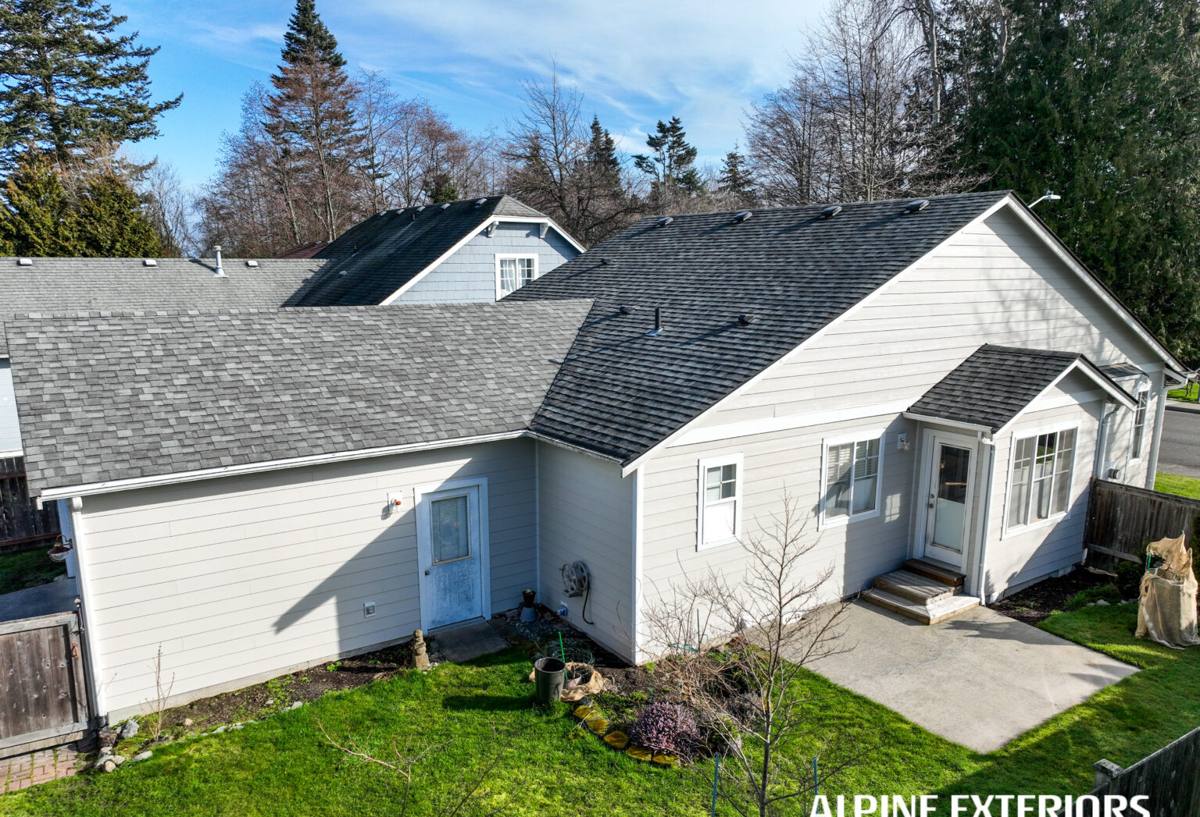
What Wesley Chapel's Climate Actually Does to Siding
Homes in this part of the Tampa Bay region deal with a specific combination of stresses that most siding products were never designed to handle all at once:
- Hurricane-force wind: Storm season brings sustained winds and gusts that put real uplift and lateral load on siding, especially anything fastened with a thin nailing flange or relying on interlocking panels.
- Intense, year-round UV exposure: Florida sun doesn't take a break in winter. UV breaks down pigments and surface coatings steadily, which is why so many older homes in the area show chalky, faded, or yellowing siding within a decade.
- Wind-driven rain: Tropical storms and summer downpours don't just fall straight down here — wind pushes rain sideways and up under laps, trim, and battens. Vertical siding styles are especially exposed to this because water travels down every seam line.
- Humidity and moisture cycling: Even outside of storm events, Florida's humidity keeps building materials damp longer than drier climates. Products that absorb moisture or swell and shrink with it are under constant low-grade stress.
None of this is unique to Wesley Chapel, but it's worth saying plainly: this is not a climate where "it'll probably be fine" is a good enough standard for exterior work. The material and the installation both have to be right.
Why Board and Batten Specifically Is Higher-Risk If Done Wrong
Board and batten is a two-layer system — a base board (or full sheathing) with vertical battens fastened over the seams. That design is what gives it the strong vertical shadow lines homeowners like, but it also means:
More Fasteners, More Penetrations
Every batten typically needs its own fastening line into structural framing or properly blocked sheathing. More fasteners means more opportunities for a missed stud, an overdriven nail, or a fastener that isn't sealed correctly — any of which becomes a water entry point over time.
More Vertical Seams for Water to Track Down
Horizontal lap siding sheds water downward and outward by design. Vertical board and batten seams give wind-driven rain a straighter path down toward window heads, corners, and the bottom of the wall. Flashing details at those transition points matter more here than on almost any other siding style.
Furring and Drainage Matter More
Because battens sit proud of the base board, there's often a rainscreen or furring strategy involved to let any moisture that gets behind the surface actually dry out instead of sitting against the wall. Skipping this step is one of the most common corners cut on board and batten jobs.
What a Correct Job Actually Involves
A board and batten installation done to spec on a Wesley Chapel home generally includes:
- Inspection and repair of the substrate and any water-damaged sheathing before new siding goes on — covering rot instead of fixing it is how small problems become expensive ones.
- A properly lapped and sealed weather-resistant barrier behind the siding system.
- Correct fastener type, length, and spacing driven into structural framing, following the manufacturer's published fastening schedule for our wind exposure.
- Flashing and proper clearances at windows, doors, roof-to-wall intersections, and the bottom termination point above grade or hardscape.
- Factory-finished panels and trim installed with the gaps, caulking, and paint touch-up the manufacturer specifies — not field-painted cut edges left exposed.
- A final walk-through checking reveals, fastener lines, and sealant joints before the job is called done.
Every one of those steps is standard, published guidance from the manufacturer. The failures we get called out to fix almost always trace back to one of them being skipped, not to some unusual or unpredictable cause.
Why We Install Board and Batten Only in James Hardie Fiber Cement
We get asked from time to time about vinyl board and batten, or engineered wood products like LP SmartSide, because they're often less expensive up front. We don't install them, and we think homeowners deserve the honest reasoning rather than a sales pitch:
Vinyl
Vinyl board and batten is lightweight and affordable, but it's a thin plastic product that expands and contracts significantly with Florida's heat, and it can become brittle and crack under wind-borne debris impact during storms. It also has real limits on how dark a color you can choose without risking heat-related warping.
Engineered Wood (LP SmartSide and similar)
These products perform reasonably well when installation and maintenance are perfect, but they're wood-based and more sensitive to moisture intrusion at cut edges and fastener penetrations than fiber cement. In a climate with this much humidity and wind-driven rain, that sensitivity is a real, ongoing maintenance burden — not a one-time risk.
James Hardie Fiber Cement
Hardie's board and batten products are engineered specifically for climates like ours, with an HZ5 formulation built for high-humidity, storm-prone regions. It's non-combustible, holds paint and factory-applied ColorPlus finishes far longer under UV exposure than vinyl or wood-based alternatives, and doesn't swell or rot the way wood-based products can. It costs more than vinyl and is comparable to or above engineered wood, but it's the product we're willing to put our name behind in this climate.
| Factor | Vinyl Board & Batten | Engineered Wood (LP-style) | James Hardie Fiber Cement |
|---|---|---|---|
| Wind/impact resistance | Can crack or blow off in high wind | Good if intact and sealed | Strong, non-combustible, engineered for high-wind zones |
| Moisture behavior | Doesn't absorb, but seams can trap water | Wood-based; vulnerable at cut edges/fasteners | Does not rot; engineered for humid climates |
| UV/color retention | Fades and chalks over time | Field paint fades faster than factory finish | Factory ColorPlus finish resists fading |
| Upfront cost | Lowest | Mid-range | Mid-to-higher, reflects longevity |
| Typical maintenance | Low but limited repair options | Periodic recaulk/repaint at seams | Minimal; occasional recaulk at trim joints |
Our Process for a Wesley Chapel Board and Batten Project
We walk every job the same way, whether it's a full re-side or a single accent wall:
- On-site assessment of existing siding, sheathing condition, and any moisture damage before we quote anything.
- A written scope that specifies product line, color, fastening approach, and flashing details — not a vague "siding replacement" line item.
- Removal of old material and substrate repair where needed, done before the new siding ever goes up.
- Installation to James Hardie's published specifications for our wind and climate zone.
- A final inspection with the homeowner before we consider the job finished.
Why Hiring a Crew That Already Works in Wesley Chapel Matters
Board and batten installation isn't exotic work, but doing it correctly in this specific climate takes more than a general contractor with a nail gun. A crew that regularly works homes in and around Wesley Chapel understands the local permitting process, has a working relationship with the building department, and has seen firsthand how storms and sun exposure actually treat siding in this area over several years — not just on paper. That local track record shows up in the small decisions: how tight to run a fastener schedule, where to add extra flashing attention, and which corners never to cut, even when a homeowner is just trying to save a little money.
Questions Worth Asking Any Siding Contractor Before You Sign
- Will you specify the exact product line and HZ rating, in writing, before work starts?
- Who repairs damaged sheathing if it's found once old siding comes off, and how is that priced?
- What is your fastening and flashing plan at windows, corners, and the bottom termination?
- Is the manufacturer's warranty transferable, and what voids it?
- Can you walk me through your process, start to finish, before I commit?
Maintenance and Warranty Expectations
One reason we stand behind Hardie board and batten is that ongoing maintenance is genuinely light when it's installed correctly: periodic rinsing, checking caulked joints every year or two, and prompt attention if anything is physically impacted by storm debris. James Hardie backs its products with a strong, transferable limited warranty, which matters both for your own peace of mind and for resale value down the road. A warranty is only as good as the installation behind it, though, which is why we document our work and stand by it directly.
If you're weighing a board and batten update for a Wesley Chapel home, we're happy to walk the property, look at what's there now, and give you a straight answer on what it would take to do it right — no pressure, no obligation. Use the form below to request a free estimate.