 Tampa Roofing
 Wesley Chapel Siding Has to Work Harder Than People Expect
Wesley Chapel has grown into one of the fastest-growing communities in the greater Tampa area, and most of that growth has happened fast enough that a lot of homes are still well within their first siding cycle. That makes this a good time to talk honestly about what siding actually has to survive here, because Central Florida is not a gentle climate for exterior building materials. Between hurricane-force wind events, sun exposure that runs nearly year-round, wind-driven rain that gets forced sideways into wall assemblies, and the humid air that carries salt influence in from the Gulf, siding in this region ages differently than siding installed almost anywhere else in the country.
A lot of that aging happens quietly. Siding can look fine from the curb for years while moisture is working behind it, or while UV is slowly breaking down a coating nobody thought to check. By the time problems show up as visible damage, they've usually been developing for a while. That's the case for choosing a material and an installation approach built specifically for this climate, not one that happens to be sold here.
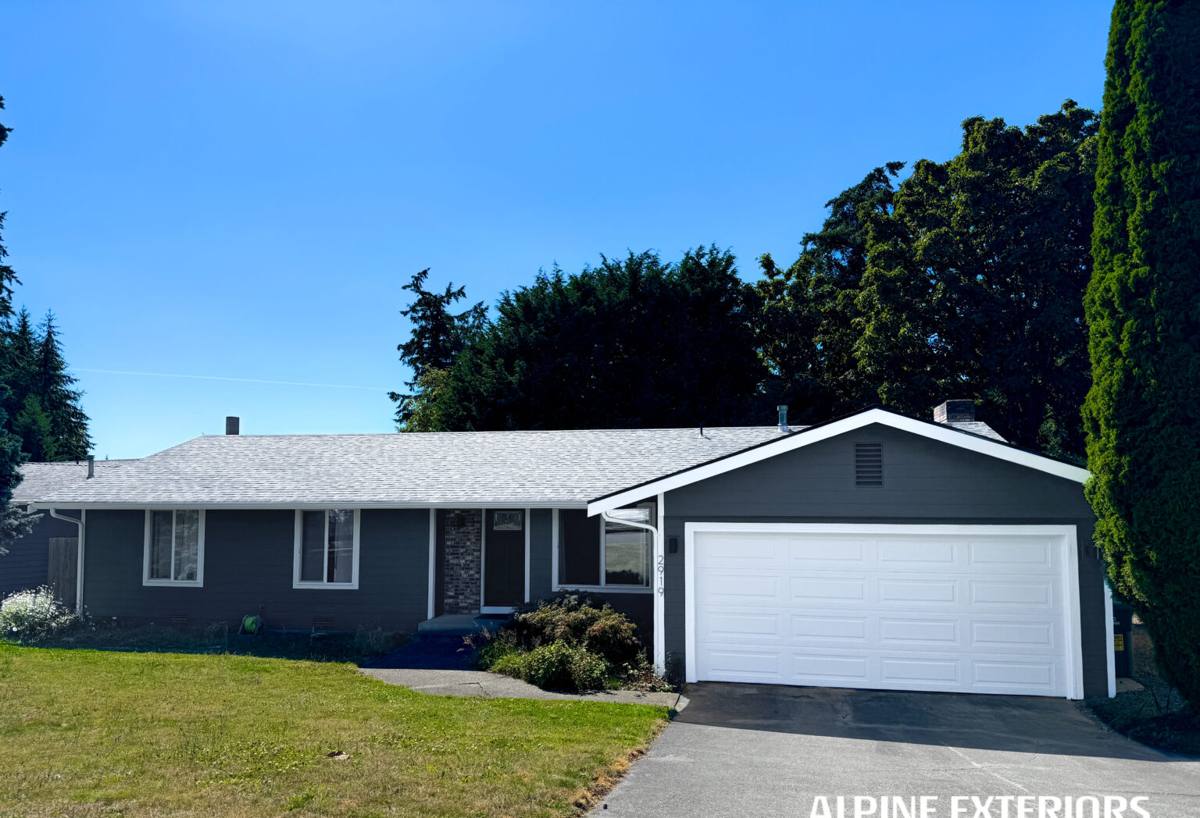
Why Hillsborough County Homes Are Especially Sensitive to Siding Choice
Hillsborough County and the wider Tampa Bay region sit in a wind zone and humidity band that stresses exterior materials more than most of the country ever sees. Afternoon storms are a near-daily feature for much of the year, hurricane season runs for six months, and the UV load is intense enough that lower-grade coatings can start chalking or fading well before a homeowner expects to think about siding again. Add wind-driven rain — rain that hits a wall horizontally instead of falling straight down — and any weak point in a siding system's water management becomes a real problem instead of a theoretical one.
None of this is unique to Wesley Chapel specifically, but it's exactly why we treat every siding job in this part of Hillsborough County the same way: material selection and installation detail matter more here than they do in milder climates, and cutting corners on either one shows up faster.
Why We Install Only James Hardie Fiber Cement Siding
We made a deliberate decision as a company to install James Hardie fiber cement siding exclusively. We don't install vinyl, LP SmartSide, Cemplank, Allura, or primed wood siding like spruce or cedar. That's not a marketing angle — it's a standard we hold because of what we've seen these materials do, and not do, in Florida conditions over time.
Fiber cement is fundamentally different from wood-based or vinyl products. It's made from cement, sand, and cellulose fibers, which makes it non-combustible and dimensionally stable in a way that wood composite products can't match, especially when they're exposed to repeated wet-dry cycles. James Hardie's Florida-specific engineering — its HZ5 product line — is formulated and tested for exactly the humidity and moisture exposure this region sees. Combined with the ColorPlus factory finish, which bakes color on under controlled conditions rather than relying on a field-applied paint job to hold up against year-round UV, it's the system we trust to actually perform for the length of its warranty instead of just looking good in the showroom.
We're not going to tell homeowners that other products are worthless — plenty of them have legitimate uses. But for wall cladding in Hillsborough County's climate, we've standardized on Hardie because it's the product we're willing to put our name behind for the long haul.
What HZ5 Engineering Actually Means
James Hardie makes climate-specific formulations rather than a single siding product for the whole country. The HZ5 line used in Florida is engineered to resist the moisture exposure and humidity swings typical of the Gulf Coast, which is a meaningfully different set of demands than what a siding product needs to handle in a dry or cold climate. It's one of the reasons we don't substitute in a generic fiber cement product — the region-specific engineering is part of what you're paying for.
The James Hardie Product Lines We Use in Wesley Chapel
Depending on the home's style, budget, and HOA requirements, we typically work with a few core Hardie product lines:
- HardiePlank lap siding — the most common choice, available in multiple exposure widths and textures, used on the large majority of single-family homes we side.
- HardiePanel vertical siding — often used for board-and-batten accents, gable ends, or full vertical applications on more modern elevations.
- HardieShingle siding — used for accent areas like gables or dormers where a shingle-style look is wanted without the maintenance of real wood shakes.
- HardieTrim — matched trim boards used around windows, corners, and fascia so the whole exterior system is consistent, not just the field siding.
All of these are available with ColorPlus factory-applied finishes in a range of colors engineered for UV resistance, which matters enormously in a market that gets as much direct sun exposure as ours does.
What a Correct Hardie Installation Actually Involves
Fiber cement siding is only as good as the installation behind it. James Hardie's warranty and performance depend on the product being installed to the manufacturer's specifications, and that's where a lot of siding jobs — regardless of brand — go wrong. A correct install in this climate includes:
- Proper weather-resistive barrier and flashing detail at every window, door, and penetration, so wind-driven rain has nowhere to get behind the cladding.
- Correct starter strip installation at the base of the wall to set the first course at the right angle and clearance.
- Manufacturer-specified fastener type, spacing, and embedment depth — under-driven or over-driven fasteners are one of the most common causes of early siding failure.
- Proper clearance between the bottom of the siding and grade, roofing, decks, and patios to prevent wicking moisture.
- Correct joint treatment and caulking at butt joints and trim intersections, using products compatible with Hardie's specifications.
- Field-cut edges sealed per manufacturer guidance to protect the cut edge from moisture intrusion.
Skipping any one of these doesn't necessarily show up on day one. It shows up two, five, or eight years later as moisture damage, paint failure, or warranty claims that get denied because the installation didn't meet spec. That's why we install to the letter of James Hardie's requirements on every job, not just the parts that are easy to see.
Our Process, Start to Finish
1. On-Site Assessment
We look at the current siding condition, the underlying wall assembly where it's accessible, and any problem areas — moisture staining, soft spots, gaps around trim — before we ever talk product or price.
2. Material and Color Selection
We walk through the relevant HardiePlank, HardiePanel, and HardieShingle options, along with ColorPlus color choices, and factor in any HOA architectural requirements common to newer Wesley Chapel communities.
3. Written Estimate
A clear scope of work and pricing before anything is scheduled — no surprise change orders for work that should have been scoped up front.
4. Tear-Off and Substrate Check
Old siding comes off and we inspect the sheathing and weather barrier underneath for hidden moisture damage before new material goes up. This step matters more in Florida than in drier climates, since hidden moisture issues are common under aging siding here.
5. Installation to Manufacturer Spec
Weather barrier, flashing, starter strip, fastening, and joint treatment all done to James Hardie's published installation requirements — the details covered above.
6. Final Walkthrough
We go over the finished job with the homeowner and confirm everything meets both our standard and James Hardie's warranty requirements.
Cost Factors for a Wesley Chapel Hardie Siding Project
| Factor | How It Affects Cost |
|---|---|
| Home size and elevation complexity | More wall area, gables, and dormers mean more material and labor |
| Current siding removal | Tear-off of existing material and any substrate repair adds time and cost |
| Product line mix | Combining HardiePlank field siding with HardieShingle or HardiePanel accents costs more than a single product throughout |
| Trim scope | Full HardieTrim replacement around windows, corners, and fascia versus reusing existing trim |
| Color and finish | ColorPlus factory finishes vary by color; some premium colors cost more than standard options |
| Underlying repairs | Any rot, moisture damage, or sheathing repair found during tear-off is priced separately |
We give a written, itemized estimate before work starts so none of this is a surprise once the job is underway.
Why a Crew That Already Works Wesley Chapel Matters
Siding work in a growing community like Wesley Chapel isn't identical to siding work in an older Tampa neighborhood. Newer developments often have HOA architectural review requirements for color and product selection, and permitting expectations can vary by jurisdiction. A crew that's already pulled permits and worked within local HOA guidelines in this area moves through those steps without the trial and error that slows down a job — and without putting the homeowner in the position of being the first one to find out a color or product needs pre-approval.
It also matters for scheduling around Florida's weather patterns. A crew that regularly works this part of Hillsborough County knows how to plan tear-off and installation around the daily storm patterns typical of the wet season, rather than leaving a home's wall assembly exposed longer than it should be.
Maintenance That Actually Keeps Hardie Siding Performing
One of the advantages of fiber cement is that it needs far less maintenance than wood-based siding, but "far less" doesn't mean "none." A simple annual routine goes a long way in this climate:
- Rinse the exterior with a garden hose or low-pressure wash to remove salt air residue, pollen, and mildew buildup.
- Inspect caulking at trim joints, windows, and doors annually and re-caulk any cracked or separated seams.
- Check for any siding panels that have come loose from fasteners, especially after a significant wind event.
- Keep sprinklers and irrigation heads angled away from direct, sustained contact with the siding.
- Trim back landscaping so foliage isn't holding moisture against the wall.
If you're weighing a siding replacement for a Wesley Chapel home and want a straight answer about what your house actually needs, we're happy to take a look and put together a free, no-pressure estimate using the form below.