 Tampa Roofing
 Roof Repair Built for Wesley Chapel Homes
Wesley Chapel has grown fast over the past two decades, and that means a wide mix of roofs — new-construction shingle roofs on production-built homes, a growing number of tile roofs, and older roofs on the earlier phases of the community that are now well past their first decade of Florida sun. Whatever the age or material, roofs out here face the same basic enemy: a Tampa Bay climate that doesn't let up. Intense UV exposure runs almost year-round, afternoon thunderstorms bring wind-driven rain that finds every weak seam, and hurricane season puts real wind load on every shingle, tile, and flashing point. Wesley Chapel sits inland from the coast, so salt air is less of a factor here than it is closer to the bay, but that's really the only break local roofs get.
Roof repair in this area isn't about applying a generic fix. It's about understanding how heat cycling, storm wind, and heavy seasonal rain interact with the specific roofing systems common in this part of Pasco County, and repairing accordingly — not just patching what's visible and hoping it holds.
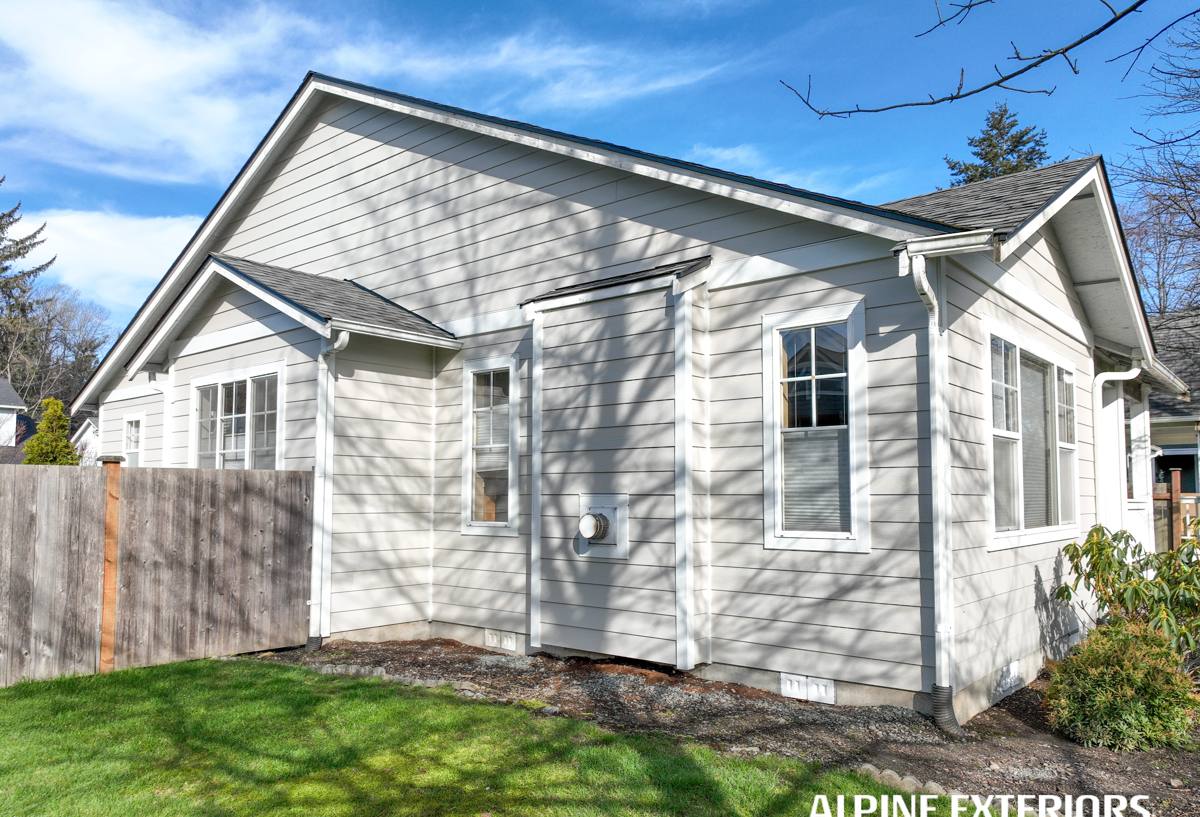
What Wesley Chapel's Climate Does to a Roof
UV and Heat Cycling
Central Florida sun bakes roofing materials nearly every day of the year. Asphalt shingles lose oils and granules over time, becoming brittle and prone to cracking. Underlayment beneath tile or metal roofing degrades faster under sustained heat than in cooler climates. This isn't a defect in the materials — it's simply what constant UV exposure does, and it's why roofs in this region age differently than the same products would in a milder climate.
Wind-Driven Rain
Tampa Bay's summer storm pattern isn't gentle, straight-down rain. Wind pushes rain sideways and upward under shingle tabs, tile edges, and flashing laps that were never designed to shed water from that angle. A roof can look intact from the ground and still be taking on water through wind-driven rain at a ridge, valley, or penetration point.
Hurricane and Tropical Storm Wind Load
Even when a storm doesn't make direct landfall nearby, Wesley Chapel routinely sees tropical-storm-force gusts during hurricane season. Wind uplift is the single biggest cause of shingle loss and tile displacement in this area — it stresses fasteners, nail patterns, and adhesive seals that may have been marginal to begin with.
Common Roof Repair Needs We See in This Area
- Wind-lifted or missing shingles after a summer storm or tropical system
- Cracked, slipped, or broken tiles on tile roof systems
- Leaks around roof penetrations — plumbing stacks, HVAC curbs, skylights
- Flashing failures at chimneys, walls, and roof-to-wall transitions
- Valley leaks where two roof planes meet and water volume concentrates
- Soft or discolored decking from a slow leak that went unnoticed
- Granule loss and UV-brittle shingles on roofs 12+ years old
- Ponding or drainage issues on low-slope sections over lanais and additions
What a Correct Repair Actually Involves
A lot of roof "repairs" are really just cosmetic patches — a dab of sealant over a visible crack, a shingle tab glued back down. That kind of fix might buy a season, but it doesn't address why the failure happened, and in a climate like ours, the same spot usually fails again within a year.
A repair done right starts with finding the actual water path, not just the visible symptom. Water rarely leaks straight down from where it enters — it travels along decking and framing before showing up as a stain inside. That means a proper repair often requires pulling back surrounding shingles or tiles, inspecting the underlayment and decking underneath, and replacing anything that's been compromised, not just the top layer.
What We Check on Every Repair Call
- Underlayment condition around the damaged area, not just the surface material
- Decking for soft spots, delamination, or fastener pull-through
- Flashing integrity at any nearby penetrations, valleys, or wall transitions
- Whether the damage is isolated or a sign of broader age-related wear
- Attic-side evidence of moisture, staining, or past repair attempts
Shingle vs. Tile Repair: Different Systems, Different Approach
Wesley Chapel has a healthy mix of both roofing types, and they don't fail — or get repaired — the same way.
| Factor | Asphalt Shingle Roofs | Tile Roofs |
|---|---|---|
| Common failure point | Wind-lifted tabs, cracked seals, granule loss | Cracked or slipped tiles, failed underlayment beneath sound tile |
| Repair complexity | Generally faster; matching shingle color/age can be a challenge on older roofs | Slower; tiles must be lifted and reset without breaking adjacent ones |
| Underlying material lifespan | Underlayment often shorter-lived than the shingles above it | Underlayment frequently fails well before the tile itself does |
| Storm vulnerability | High wind uplift risk if nailing pattern was marginal | Impact damage from wind-blown debris; tiles can crack without visible leaks for months |
One important point on tile: it's common for the tile itself to be in fine shape while the underlayment beneath it has failed from age and heat. In those cases, a spot repair only makes sense if the surrounding underlayment is still sound — otherwise it's a short-term fix on a system that needs broader attention, and we'll tell you that honestly rather than sell a patch that won't hold.
How Our Repair Process Works
1. Inspection First, Not a Guess
We look at the roof, the attic where accessible, and the areas surrounding the reported problem — not just the spot the homeowner points to. In this climate, damage from wind and rain rarely stays contained to one shingle or tile.
2. A Clear, Honest Scope
Before any work starts, you'll know what we found, what needs to be repaired, and why. If a repair is a reasonable fix, we say so. If the roof's age or the extent of damage means a repair would just be a temporary patch, we say that too — including the trade-offs, not a sales pitch.
3. Matching Materials Correctly
Repairs use materials matched to your existing roof system as closely as possible — shingle type, tile profile, or underlayment spec — so the repaired section performs the same as the rest of the roof under wind and rain, not as a mismatched weak point.
4. Verifying the Fix
We check that flashing, fasteners, and seals meet the standard needed to hold up to Tampa Bay's storm season, not just look finished from the ground.
Repair vs. Replacement: An Honest Framework
Not every roof problem calls for a full replacement, and not every roof is a good candidate for another round of patchwork. A few factors that actually matter when weighing the decision:
| Consideration | Repair Usually Makes Sense | Replacement Worth Discussing |
|---|---|---|
| Roof age | Under roughly 10-12 years, isolated damage | Approaching or past typical service life for the material |
| Extent of damage | Localized — one section, one storm event | Multiple areas, or damage found in more than one repair visit |
| Underlayment condition | Still intact and sound elsewhere on the roof | Widespread degradation found during inspection |
| History of leaks | First occurrence or isolated incident | Recurring leaks in different spots over time |
We'll walk you through where your roof falls on this before recommending anything — the goal is the right call for your roof and your budget, not the bigger invoice.
Why Hiring a Crew That Already Works in Wesley Chapel Matters
Roofing crews that regularly work this part of the Tampa Bay area know the building patterns common to Wesley Chapel's newer developments and older phases alike, the roofing systems most commonly installed here, and how those systems tend to age under this specific combination of heat, humidity, and storm exposure. That familiarity shows up in small but real ways — knowing where flashing tends to be undersized on certain builder-grade installs, or which tile profiles are prone to hairline cracking after years of thermal cycling.
It also matters for response time. When wind-driven rain gets into a roof during hurricane season, the gap between "small leak" and "damaged decking and drywall" can be a matter of days. A crew already working in the area can typically get to an active leak faster than one dispatching from across the county.
Simple Maintenance Between Repairs
A repair holds up longer when the rest of the roof is kept in reasonable shape. Homeowners can help by:
- Clearing debris from valleys and gutters, especially after storms
- Trimming back tree limbs that overhang the roofline
- Watching for granules collecting in gutters (a sign of shingle wear)
- Checking the attic occasionally for staining, especially after heavy rain
- Scheduling a roof check after any named storm with sustained winds
None of this replaces a professional inspection, but it can help you catch a small problem before Tampa's next storm turns it into a bigger one.
If you're dealing with a leak, storm damage, or a roof that just doesn't look right anymore, we're happy to take a look. We offer free, no-pressure estimates for Wesley Chapel homeowners — just fill out the form below and we'll get back to you.