 Tampa Roofing
 Siding Repair for Wesley Chapel Homes
Wesley Chapel has grown fast over the last two decades, and that growth means a lot of homes now sitting in that stretch where siding starts showing its age all at once — moisture staining, cracked panels, soft spots near trim, and paint that just won't hold anymore. Whether your home has fiber cement, vinyl, wood, or engineered wood siding, the Tampa area's climate puts a specific kind of stress on it that inland or northern homes never deal with. Repairing siding here correctly means understanding that stress, not just patching what's visible.
We're a Tampa-based crew that works this side of Hillsborough County regularly, and Wesley Chapel is part of our normal service area — not a one-off trip. That matters more than it sounds like it should, and we'll explain why further down.
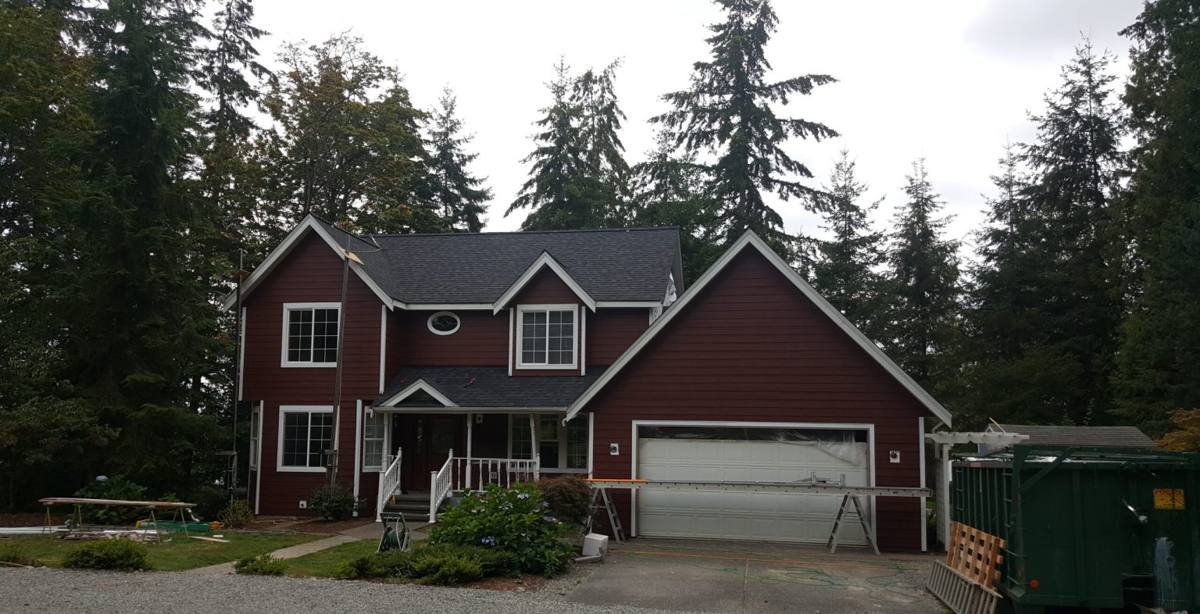
What Tampa Bay Weather Does to Siding
A few things make siding repair in this area different from a generic national playbook:
- Intense, near-constant UV exposure — Florida sun breaks down paint finishes, fades color, and dries out caulk and sealants faster than in most of the country, leading to gaps that let water behind the siding.
- Wind-driven rain — Tampa's storms don't just fall straight down; wind pushes rain sideways into seams, laps, and butt joints. Siding that isn't lapped and sealed correctly lets water track behind the panel instead of shedding off it.
- High humidity, most of the year — moisture that gets behind siding doesn't dry out quickly here. That's what turns a small gap into rot, mold, or swollen substrate over a season or two instead of years.
- Hurricane-force wind events — even a storm that doesn't directly hit Wesley Chapel can send enough wind through the area to lift panels, crack corners, or tear loose fasteners that were already marginal.
None of that means siding here fails faster than anywhere else when it's installed and maintained correctly. It means the margin for sloppy installation or deferred maintenance is smaller. A gap that would sit harmlessly for years in a dry climate can cause real damage in a single Tampa summer.
Signs Your Siding Needs Repair, Not Just Paint
Homeowners often call us for a paint touch-up and find out the underlying issue is bigger. Here's what tends to separate cosmetic wear from a real repair need:
| What You See | Likely Cause | Repair or Watch? |
|---|---|---|
| Fading or chalky paint, siding still solid | UV breakdown of the finish | Often just needs repainting or a ColorPlus refinish check |
| Soft or spongy spots when pressed | Moisture intrusion, substrate damage | Repair — the panel or section needs to come out |
| Visible cracks at corners or butt joints | Impact, movement, or poor original fastening | Repair before wind-driven rain gets in |
| Dark streaking or staining at seams | Water tracking behind laps | Repair — usually a flashing or caulk failure |
| Panels visibly lifted or loose after wind | Failed or under-driven fasteners | Repair — safety and water-entry issue |
| Bubbling or peeling paint in patches | Trapped moisture beneath the finish | Repair the source, then refinish |
Why "Just Caulk It" Usually Isn't a Real Fix
Caulk is a maintenance item, not a repair strategy. In Wesley Chapel's climate, exterior caulk has a real service life — usually a handful of years before UV and heat cycling break it down. If a contractor's answer to gapped or cracked siding is caulk alone, that's a sign the underlying cause (bad lap, missing flashing, failed fastener) isn't being addressed. It'll look fine for a season, then reopen.
What a Correct Siding Repair Actually Involves
A proper repair isn't just about matching the color of the new piece to the old. It's about restoring the whole water-management system the siding is part of:
- Diagnose the actual cause — not just the visible damage. If a panel rotted from behind, replacing it without fixing the flashing or drainage plane means it happens again.
- Check for hidden damage — moisture that got behind one panel often affects the sheathing or house wrap behind it. We check before closing anything back up.
- Match the product correctly — profile, exposure, and thickness need to match the surrounding siding, or the repair will show as a visible seam even after paint.
- Re-flash and re-lap properly — every horizontal joint needs to shed water outward, not trap it. This is where a lot of production-speed repairs cut corners.
- Fasten to spec — correct fastener type, spacing, and placement matters more here than in low-wind regions, given how often this area sees named storms.
- Finish to match — factory-finished products like James Hardie's ColorPlus have a specific look and durability that field-applied paint doesn't fully replicate; we're upfront when a perfect color match isn't realistic.
How Our Process Works
1. On-Site Assessment
We come out, look at the affected area, and check adjacent sections for the same issue — damage rarely shows up in only one spot when the cause is systemic (a bad batch of caulk, a flashing detail repeated around the whole house, etc.).
2. Honest Repair-vs-Replace Conversation
If a section of siding is failing because of an isolated event — storm impact, a one-off installation mistake — repair makes sense. If we're seeing the same failure pattern across most of the exterior, patching it section by section isn't a good use of your money, and we'll tell you that instead of running up repair after repair.
3. Scoped, Written Estimate
You'll know what's being replaced, what product is going in, and roughly what it'll cost before we start — no surprise change orders for work we should have caught during assessment.
4. The Repair
We remove only what needs to come out, check the water-resistive barrier underneath, fix the actual cause, and install matching material to spec — not just to "look right" from the street.
5. Finish and Walkthrough
We walk the repaired area with you, point out what we found and fixed, and let you know if there's anything worth keeping an eye on going forward.
Repair vs. Replacement: When It's Time to Stop Patching
Every siding job has a point where continued repairs cost more than they're worth. A few honest signals it's time to talk about full replacement instead of another round of patches:
| Factor | Favors Repair | Favors Replacement |
|---|---|---|
| Extent of damage | Isolated to one or two areas | Recurring across multiple elevations |
| Age of siding | Well within expected service life | Near or past the manufacturer's expected lifespan |
| Underlying cause | One-time event (impact, storm) | Systemic install flaw or product-wide failure |
| Cost over time | Repair cost is a small fraction of replacement | Repairs are stacking up year over year |
| Product type | Still available and matchable | Discontinued profile or color, poor match possible |
We won't push a full replacement when a repair genuinely solves the problem — and we won't talk you into another round of patches when the smarter, cheaper long-term move is a full re-side.
A Note on Materials: Why We Install James Hardie
When a repair calls for new material — or when a homeowner decides a full re-side makes more sense than chasing repairs — we install James Hardie fiber cement exclusively. It's non-combustible, holds up to Florida's UV and moisture cycle better than most alternatives we've worked with, and the factory-applied ColorPlus finish resists the fading and chalking that field-painted products struggle with in this climate. Hardie's HZ5 product line is engineered specifically for high-humidity, high-moisture climates like ours, and the warranty is transferable if you sell the home. We don't install vinyl, LP SmartSide, or unfinished wood siding — not because those products have no merit, but because we've standardized on the system we trust to hold up on Tampa-area homes long-term, and we'd rather tell you that plainly than sell you something we wouldn't put on our own house.
Why a Local Wesley Chapel Crew Matters
Siding repair isn't just a materials question — it's a scheduling and accountability question too. A crew that already works in and around Wesley Chapel:
- Can get to your property faster after a storm, when damaged siding needs to be secured before the next rain event.
- Knows how common builder-grade siding details in newer Tampa-area developments were originally installed, which speeds up an accurate diagnosis.
- Is easy to reach for a warranty callback — we're not driving in from three counties away for a five-minute fix.
- Has a reputation in the area to protect, which keeps the incentive on doing the repair right the first time.
A Pre-Call Checklist for Homeowners
Before you call anyone about siding repair, a quick walk around the house helps you describe the problem accurately and gets you a faster, more accurate estimate:
- Note which elevation(s) of the house have visible damage (front, back, sides facing prevailing wind).
- Press gently on any soft-looking areas and note where they are — don't force it, just note the location.
- Look at corners, window trim, and butt joints specifically — these are the most common failure points.
- Check whether damage lines up with a specific past storm or has developed gradually.
- Take note of the siding material if you know it (fiber cement, vinyl, wood, engineered wood) — if you're not sure, that's fine, we'll identify it on site.
- Photograph anything you can safely reach without a ladder, for your own records.
Get a Free Estimate
If your Wesley Chapel home has siding that's cracking, staining, gapping, or just not holding paint the way it used to, we'll come take a look and give you a straight answer on what it needs — repair or replacement, no pressure either way. Fill out the form below for a free estimate.