 Tampa Roofing
 Window Installation Built for How Wesley Chapel Actually Lives
Wesley Chapel has grown faster than almost any community along the Tampa Bay corridor over the last two decades, and that growth shows up in the windows we get called out to work on. Newer subdivisions are full of builder-grade vinyl windows that were installed quickly to meet closing dates, while older homes in the area are starting to hit the point where original windows are 15-20+ years past their install date. Both situations create the same problem: windows that were never really matched to what this climate does to a house year after year.
Window installation isn't just picking a product out of a catalog. It's matching the frame, glass, and installation method to the specific stresses a Wesley Chapel home faces, then doing the flashing and sealing work correctly so the window actually performs the way it's rated to. That second part is where most problems start.
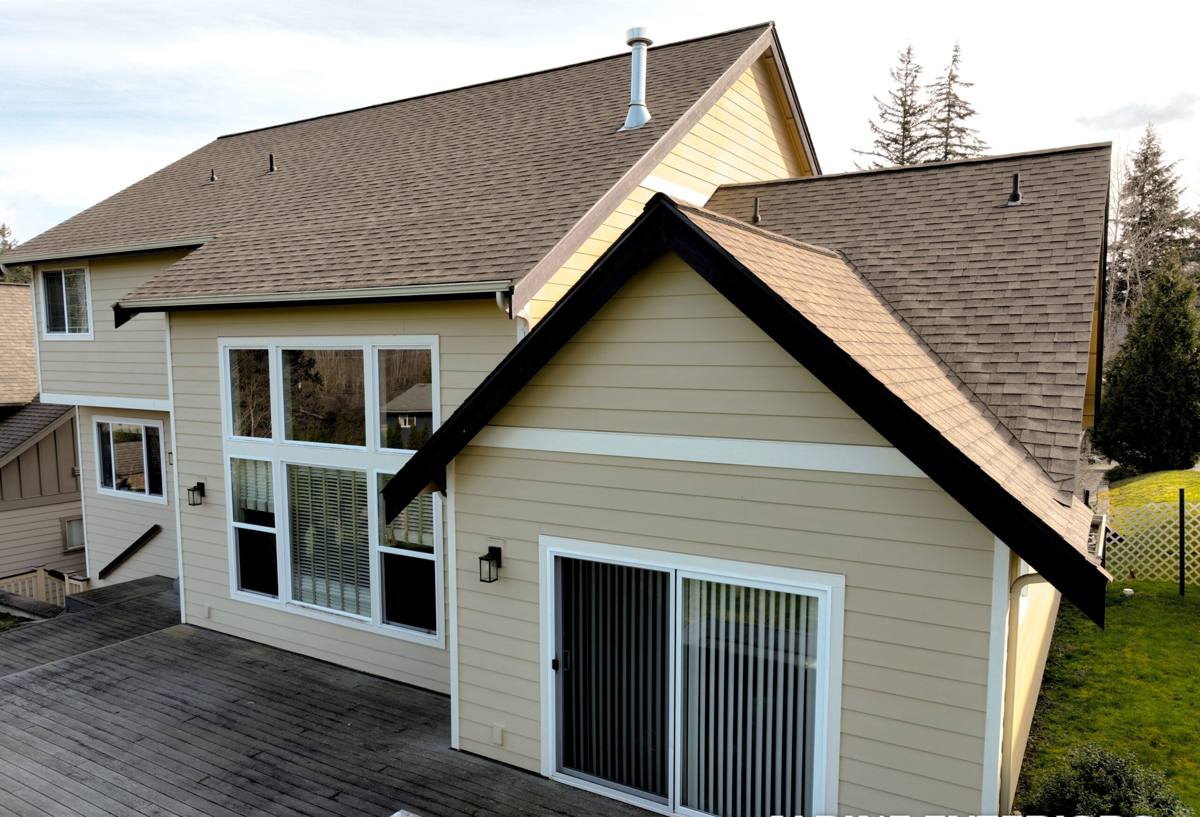
What the Climate Actually Does to Windows Here
Wind and Storm Pressure
Wesley Chapel sits inland from the coast, but it's still squarely in the path of tropical systems that move across or near the Tampa Bay area during hurricane season. Wind-borne debris and sustained high winds put real pressure on window frames and glass, and the Florida Building Code's wind load and product approval requirements exist specifically because of storms like these. A window that isn't rated, sized, or installed correctly for the load it's expected to handle is a weak point in the whole envelope of the house.
UV Exposure
Florida sun is intense and it's a year-round condition, not a summer one. UV breaks down vinyl frames, dries out and cracks weatherstripping, and can fade interior floors and furniture through untreated glass. Windows facing west and south in particular take the worst of it over the course of a day.
Wind-Driven Rain and Humidity
Afternoon storms in this part of Florida rarely come straight down — wind pushes rain sideways into window openings, testing the flashing and sealant details far more than a calm rain ever would. Combine that with the region's consistently high humidity, and any gap or failed seal becomes an entry point for moisture that can rot framing, grow mold behind drywall, and ruin insulation long before it's visible from inside the house.
Regional Note on Salt Air
Wesley Chapel is set back from the immediate coastline, so salt exposure here is lighter than it is in beachfront Pinellas or south Hillsborough neighborhoods. It's still a factor during and after storm systems that carry Gulf moisture inland, and it's worth mentioning because it affects which hardware finishes and frame materials hold up best over the long run in the broader Tampa Bay area.
Impact-Rated Windows vs. Standard Windows With Shutters
This is the first real decision most Wesley Chapel homeowners face, and there's no single right answer for every house or budget. Here's how the two approaches actually compare:
| Factor | Impact-Rated Windows | Standard Windows + Shutters |
|---|---|---|
| Upfront cost | Higher per window | Lower window cost, added shutter cost |
| Storm prep effort | None — always protected | Shutters must be installed before every storm |
| Daily UV and noise performance | Better, laminated glass blocks more UV and sound | No improvement over standard glass |
| Insurance impact | Often qualifies for wind mitigation credits | Shutters alone may qualify for partial credits |
| Appearance | Clean, no visible hardware | Shutters visible and change home's look when deployed |
| Maintenance | Minimal — clean glass and check seals | Shutter tracks and hardware need upkeep too |
For homeowners who travel, rent the property out, or simply don't want to deal with storm prep on short notice, impact glass is usually worth the higher upfront number. For a tighter budget or a home that's only occupied seasonally, a well-installed standard window paired with quality shutters is still a legitimate, code-compliant choice — the key word being well-installed, since the installation quality matters more than the product label either way.
What a Correct Installation Actually Involves
Most window failures we see in this area — leaks, drafts, fogging between panes, frames that won't seal tight anymore — trace back to installation shortcuts, not bad products. A correct job includes:
- Removing the old window and fully inspecting the rough opening for rot, prior water damage, or out-of-square framing before anything new goes in
- Installing new flashing and a proper sill pan so any water that does get past the window sheds outward, not into the wall cavity
- Shimming the frame plumb, level, and square — not just "close enough" to the existing stucco or siding line
- Using the fastening schedule and sealant specified by the window's Florida product approval, not a generic bead of caulk
- Confirming the installed unit matches the approval documentation for that specific opening size and wind zone
- Sealing and finishing the interior and exterior trim so the water management layer stays continuous
Every Florida-approved impact and non-impact window comes with a Notice of Approval (NOA) or Florida product approval number that specifies exactly how it has to be installed to perform as rated. Skipping or guessing at those details is the single biggest reason a "hurricane window" leaks or fails during the next storm — the glass and frame were never the weak point, the installation was.
Permits and HOA Rules in the Wesley Chapel Area
Window replacement is permitted work under Florida Building Code in this area, and that's a good thing for homeowners — it means a licensed contractor's work gets checked by an inspector before it's considered finished, and it creates a paper trail that matters when you sell the home or file an insurance claim. Skipping the permit to save time or money is a real risk: unpermitted window work can complicate a home sale, void manufacturer warranties, and give an insurance company grounds to deny a storm claim.
A lot of Wesley Chapel's newer neighborhoods are also HOA-governed communities with their own rules on approved window styles, frame colors, and sometimes even glass tint. We factor both the county permit process and any HOA approval steps into the project timeline up front, rather than letting a homeowner discover a conflict after the windows are already ordered.
Choosing the Right Frame and Glass
Once impact vs. standard is decided, the next choices are frame material and glass package. Each comes with real tradeoffs, and the right call depends on the specific house, its sun exposure, and the budget.
| Choice | What It Affects | Consideration for This Area |
|---|---|---|
| Frame material (vinyl, aluminum, fiberglass) | Cost, insulation value, expansion/contraction with heat | Vinyl handles Florida heat cycles well if it's a quality profile; cheap vinyl can warp on west-facing walls |
| Glass package (single, dual-pane, Low-E coating) | Energy bills, UV fading, interior comfort | Dual-pane with Low-E is close to standard now given year-round AC use here |
| Number of window openings | Total project cost, labor time | Whole-house replacements often come with better per-unit pricing than piecemeal jobs |
| Impact rating | Storm protection, insurance credits | Especially worth it on street-facing and upper-floor windows exposed to wind-borne debris |
| Opening size/shape (standard vs. custom) | Lead time, cost | Older Wesley Chapel homes sometimes have odd or out-of-standard openings that need custom sizing |
Our Installation Process
Assessment and Measurement
We start with an on-site look at every opening, not just a quick estimate off photos. Rough opening condition, wall type (stucco, siding, block), and sun exposure all factor into what we recommend.
Product Selection
We walk through impact vs. standard, frame material, and glass options based on the house and budget — no pressure toward the most expensive option if it's not what the home actually needs.
Permitting
We pull the required county permit and handle HOA submittal paperwork where applicable before ordering materials, so there are no surprises mid-project.
Installation Day
Old units come out, openings get inspected and prepped, new flashing and sill pans go in, and each window is set, shimmed, and sealed to its approval specifications.
Final Inspection and Walkthrough
We coordinate the required inspection and walk the homeowner through every finished opening — operation, locks, and seals — before calling the job done.
Signs It's Time to Replace Your Windows
Not every window problem means full replacement, but these are the signs worth a professional look:
- Fog or moisture visible between panes of double-glazed glass — the seal has failed and can't be repaired
- Visible daylight, drafts, or a noticeable rise in cooling bills around specific windows
- Frames that are soft, discolored, or show cracking, especially on west and south-facing walls
- Windows that are difficult to open, close, or lock properly
- Water staining on interior sills or drywall below or beside a window after storms
- Windows that predate the home's most recent wind mitigation inspection and don't carry any impact rating
Why a Crew That Already Works Wesley Chapel Matters
A contractor who works this specific area regularly knows the difference between the newer stucco-over-frame construction common in Wesley Chapel's recent subdivisions and the block construction more typical of older Hillsborough and Pasco neighborhoods — and those two wall types get prepped and flashed differently. We're also familiar with the local permitting process and the kinds of HOA architectural requirements that show up in this area's planned communities, which keeps a project moving instead of stalling on paperwork nobody anticipated. That local familiarity is worth more than it sounds like — it's the difference between a smooth timeline and a job that sits half-finished waiting on a resubmitted permit or an HOA approval nobody checked for in advance.
If you're weighing whether to repair, replace, or upgrade the windows on a Wesley Chapel home, we're happy to take a look and give you a straightforward, no-pressure estimate — including which openings actually need attention now versus which can wait.