 Tampa Roofing
 Roof Repair for Westchase Homes
Westchase sits inland from Tampa Bay but still takes the full brunt of Hillsborough County's weather cycle: long, intense summers of direct UV exposure, sudden afternoon thunderstorms that drive rain sideways into roof edges and penetrations, and the real possibility of hurricane-force wind gusts during the June-through-November storm season. None of that is unique to Westchase, but the neighborhood's mix of tile, shingle, and flat-section roofs on homes built across several decades means the repair needs vary block to block. A roof that's ten years old and one that's twenty-five behave very differently under the same storm, and a repair that's correct for one can be the wrong call for the other.
Roof repair done right in this climate isn't about patching what's visible and moving on. It's about understanding why that spot failed — UV breakdown, wind uplift, flashing fatigue, or just age — and fixing the actual cause so the same call-back doesn't happen after the next storm.
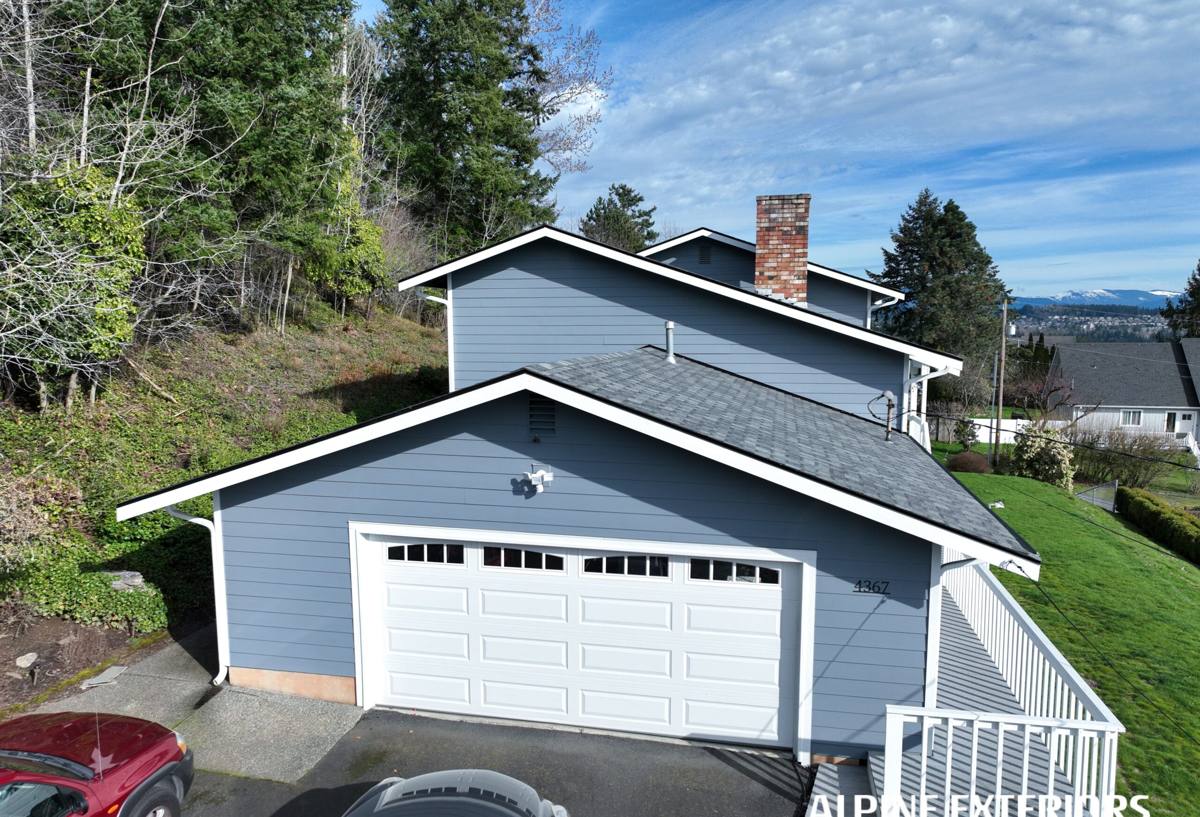
Common Roof Problems We See in Westchase
Wind and Storm Damage
Straight-line winds and tropical systems lift shingles at the edges and ridges, crack tile, and work flashing loose around vents and chimneys. Damage is often partial — a handful of shingles or a few cracked tiles — but if it's left unaddressed, wind-driven rain finds its way under the roof covering and into the deck below long before a homeowner sees a stain on the ceiling.
UV and Heat Breakdown
Year-round Florida sun degrades asphalt shingles from the top down, drying out the granule coating and making the mat brittle. On tile roofs, UV and heat cycling affect the underlayment beneath the tile long before the tile itself shows any wear — which is why a tile roof can look fine from the ground while the water barrier underneath has already failed.
Flashing and Penetration Leaks
Most leaks that aren't storm-related trace back to flashing — around chimneys, skylights, plumbing vents, and where a roof plane meets a wall. Sealant and metal flashing don't move the same way over time, and repeated heat expansion and contraction opens small gaps that widen with every wind-driven rain event.
Salt Air and Coastal Drift
Westchase isn't beachfront, but Tampa Bay's salt air still reaches inland, and it accelerates corrosion on exposed metal fasteners, flashing, and vent boots faster than most homeowners expect. Corroded fasteners back out or lose their grip, which is a common, quiet cause of loosened shingles and small leaks that show up with no obvious storm event to blame.
What a Correct Repair Actually Involves
A repair that holds up in this climate goes beyond replacing what's visibly broken. Our approach on every repair call includes:
- Identifying the actual water path, which is frequently several feet from where the interior stain or drip appears
- Checking the roof deck under the damaged area for soft spots, delamination, or rot before closing anything back up
- Matching materials — shingle type, tile profile, or flashing metal — so the repair blends and performs like the original system
- Re-sealing and re-fastening surrounding areas that show early wear, not just the failure point itself
- Confirming that ventilation and drainage in the repaired section haven't been disrupted
Skipping any of these steps is how a "fixed" roof ends up leaking again after the next heavy rain.
Our Repair Process
1. Inspection and Diagnosis
We start on the roof itself, not just the ceiling stain. That means walking the affected area, checking flashing, fasteners, and underlayment condition, and — when there's storm damage — documenting it clearly for insurance purposes.
2. A Clear, Honest Scope
Before any work starts, we explain what failed, why, and what the repair involves. If a repair is a reasonable fix, we say so. If the damage points to a bigger issue — widespread underlayment failure, deck rot, or a roof near the end of its service life — we'll tell you that too, rather than patching something that needs a bigger conversation.
3. The Repair
We remove and replace only what's compromised, tie new material into the existing system correctly, and re-seal and re-flash penetrations to current standards, not just to match what was there before if what was there before was the problem.
4. Final Check
We inspect the completed repair and the surrounding roof area before we consider the job done, so small issues nearby don't turn into next season's callback.
Repair vs. Replacement: How We Decide
Not every roof problem in Westchase needs a full replacement, but not every leak should be treated as a quick patch either. Here's how we generally weigh it:
| Factor | Leans Toward Repair | Leans Toward Replacement |
|---|---|---|
| Roof age | Well within expected service life | Near or past manufacturer's expected lifespan |
| Extent of damage | Localized to one area or system | Spread across multiple sections or slopes |
| Deck condition | Solid, no rot or soft spots | Soft, delaminated, or repeatedly wet |
| Underlayment condition | Intact elsewhere on the roof | Brittle or failing broadly, not just locally |
| Repair history | First or infrequent repair need | Repeated repairs to the same or nearby areas |
Broad honest ranges: a straightforward flashing or leak repair is typically a modest, well-defined cost; storm damage covering a section of roof runs higher depending on material and access; and a roof showing multiple failure points across its surface is usually where replacement becomes the more cost-effective long-term answer rather than a series of repairs. We'll walk through where your roof falls on that spectrum before recommending either path.
Materials and Workmanship Standards
For repairs, we match materials to what's already on your roof whenever a good match is available, so the repaired section performs consistently with the rest of the roof rather than creating a weak seam. Where an exact match isn't available or the original material has known long-term drawbacks — certain lightweight underlayments and some older sealant products don't hold up well to Florida's UV and heat cycling — we'll explain the trade-off honestly: what we'd use instead, why, and how it affects appearance, maintenance, or warranty coverage. That's a professional judgment call on our end, not a knock on any particular brand.
All flashing and fastener work is done with corrosion-resistant materials appropriate for Hillsborough County's humidity and salt-air exposure, not just whatever was standard when the roof was originally built.
Why a Crew That Already Works Westchase Matters
Roofing crews that work Tampa-area neighborhoods regularly build a working knowledge of how homes in this area were built and roofed across different construction eras — which matters when diagnosing a leak or matching materials on a repair. That local pattern recognition is what separates a fast, correct diagnosis from a guess.
Local presence also matters for response time. When wind-driven rain is actively getting into a roof after a storm, waiting days for a crew to arrive from across the region turns a repair into a much larger interior damage problem. A contractor established in the Tampa area is set up to respond faster when Westchase homeowners need it most.
Signs You Need a Roof Repair Inspection
Some roof problems in this climate are obvious; many aren't until they've been quietly progressing for a while. Watch for:
- Missing, curled, or cracked shingles, or cracked/slipped roof tiles
- Granules collecting in gutters or at downspout outlets
- Ceiling stains, especially ones that appear or grow after heavy rain or wind events
- Visible daylight or gaps around flashing at chimneys, skylights, or vents
- Soft or spongy spots noticeable when walking near the attic access or upper floor ceilings
- A musty smell in the attic, which often points to slow, hidden moisture intrusion
- Higher cooling bills with no other explanation, which can indicate ventilation or insulation issues tied to roof condition
If any of these sound familiar, it's worth having a roof looked at before the next storm rather than after.
After the Storm: What to Do First
If Westchase takes a direct hit from high winds or a tropical system, resist the urge to get on the roof yourself. From the ground, look for obvious missing shingles or tiles, debris on the roof, and sagging gutter lines. Photograph any visible damage and interior water intrusion for insurance purposes, and get a professional inspection scheduled promptly — even damage that looks minor from the ground can indicate a compromised water barrier underneath that needs addressing before the next rain event.
If you're dealing with a leak, storm damage, or a roof that's simply due for a closer look, we're glad to come out and give you a straightforward assessment. The estimate is free, there's no pressure, and you'll get an honest read on what your roof actually needs — just fill out the form below to get started.