 Tampa Roofing
 Storm Damage Roof Repair Services in Westchase
Westchase sits in northwest Hillsborough County, close enough to Tampa Bay that every roof in the neighborhood deals with the same seasonal pattern: tropical systems and strong summer thunderstorms bring straight-line wind, hail, and hours of wind-driven rain, then the sun comes back out and bakes whatever damage was left behind. A roof here rarely fails from one dramatic event. It usually fails from that cycle repeating for years — a few lifted shingles this storm, a soft spot in the underlayment the next, a slow leak nobody notices until there's a stain on a ceiling. Storm damage repair in Westchase isn't just about patching what broke last week. It's about catching what the last several storms did before it turns into a bigger problem.
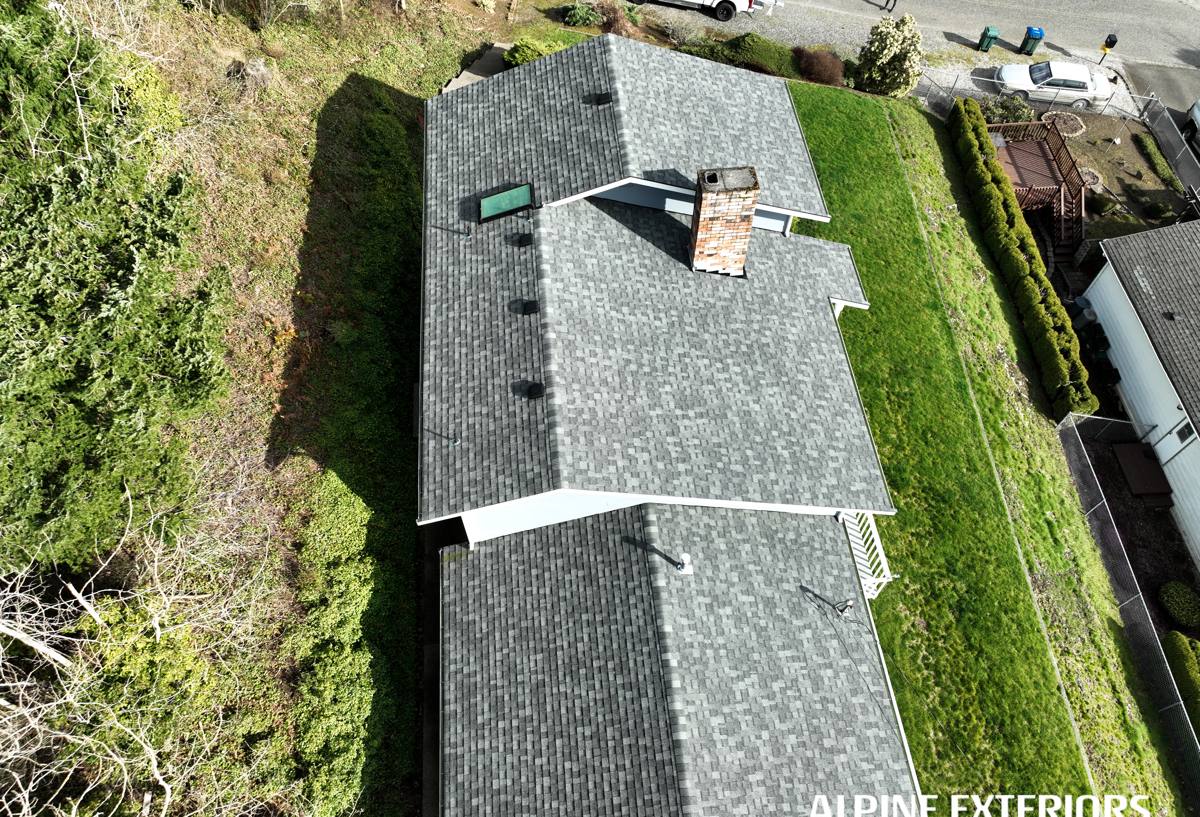
What Actually Counts as Storm Damage
Homeowners tend to picture storm damage as missing shingles or a hole from a fallen branch. That's part of it, but a lot of the damage that shortens a roof's life in this climate is less obvious.
Wind
Tropical-storm-force and hurricane-force gusts don't just tear shingles off — they get underneath the edges, break the seal, and loosen fasteners without fully removing the shingle. That roof can look fine from the ground and still be one storm away from a real leak.
Wind-Driven Rain
When rain comes in sideways instead of straight down, it can work its way under flashing, around vent boots, and into any gap that would never see water in a normal downpour. This is one of the most common causes of interior leaks after a Hillsborough County storm, and it's frequently misdiagnosed as a roofing material failure when the real issue is a flashing or underlayment detail.
Hail and Debris Impact
Hail in this part of Florida is usually small, but it can still bruise shingles, crack tile, or dent metal roofing in ways that don't show up as an obvious leak right away. Impact damage from branches or wind-borne debris is more visible but often gets treated as cosmetic when it's actually compromised the roof's waterproofing layer underneath.
UV and Heat Stress (the damage between storms)
Tampa's intense, near year-round UV exposure dries out and embrittles roofing materials between storms. A roof that could flex and absorb wind stress when it was newer becomes stiffer and more prone to cracking or tearing as it ages under the sun — which is exactly why the same wind event can be harmless to a newer roof and damaging to an older one.
Why Westchase Roofs Take a Particular Kind of Beating
Westchase is a well-established, heavily landscaped community, and that maturity cuts both ways. The tree canopy that makes the neighborhood attractive also means more overhanging limbs, more debris in gutters and valleys, and more shade that keeps certain roof sections damp longer after a storm than sections that dry quickly in full sun. Roofs with mixed sun and shade exposure age unevenly — the shaded side often shows granule loss, algae staining, or soft decking well before the sunny side shows any wear at all.
Tile roofing is common on homes throughout this part of Hillsborough County, and tile brings its own storm considerations. The tile itself is durable, but the underlayment beneath it is what actually keeps water out, and that layer degrades on its own timeline regardless of how good the tile above it looks. After wind events, we regularly find intact tile sitting over underlayment that's already failed — a repair that has to address what's underneath, not just what's visible.
What a Correct Storm Damage Repair Actually Involves
A repair that only replaces what's visibly missing or broken is treating the symptom. A correct repair accounts for what the storm did to the surrounding material too.
A Full Inspection, Not a Spot Check
We look past the obvious damage point at the surrounding shingles, tile, flashing, and decking. Wind damage in particular tends to spread outward from a starting point — fasteners loosen, seals break — in a pattern that isn't visible until you're checking adjacent material, not just the spot that leaked.
Matching Materials, Not Just Filling Gaps
Roofing materials weather and fade over time, and mismatched repairs are one of the most common complaints we hear about prior work. We try to match existing shingle or tile profile and color as closely as the market allows, and we're upfront when an exact match isn't available so it's never a surprise after the work is done.
Flashing and Underlayment First
Most leaks that get blamed on the roofing material itself actually trace back to flashing around chimneys, skylights, and roof-to-wall transitions, or to underlayment that's past its service life. Replacing shingles or tile over a bad flashing detail or worn underlayment just delays the same leak coming back.
Proper Fastening for Wind Resistance
Given how often this area sees tropical-force wind, repairs are fastened to hold up under the next event, not just to look finished. That means correct nailing patterns, sealed edges, and attention to the details that determine whether a repair survives the next storm or becomes next season's callback.
Our Process for Westchase Storm Repairs
- Inspection and documentation. We assess the full roof, not just the reported problem area, and document what we find with photos.
- Plain-English explanation. We walk through what's actually damaged, what's wear-and-tear versus storm-caused, and what your options are — repair, partial replacement, or full replacement if the damage warrants it.
- Written estimate. No pressure, no scare tactics, and no requirement to sign anything on the spot.
- Insurance support if needed. If you're filing a claim, we provide the documentation your adjuster needs and can walk the roof with them if that's helpful.
- Repair work. Completed to match existing materials as closely as possible, with attention to the flashing and underlayment details that determine whether the fix lasts.
- Final walkthrough. We show you what was done before we consider the job finished.
Repair or Replace? What Actually Drives That Decision
Not every storm-damaged roof needs full replacement, and not every roof that "just needs a patch" is actually a good repair candidate. The honest answer depends on a few factors.
| Factor | Favors Repair | Favors Replacement |
|---|---|---|
| Roof age | Under roughly 10-12 years | Approaching or past expected service life |
| Damage extent | Isolated to one section or slope | Spread across multiple slopes or the whole roof |
| Underlayment condition | Still intact and sound | Brittle, cracked, or already failing in other spots |
| Prior repair history | Few or no previous patches | Multiple past repairs in different areas |
| Material availability | Matching material still obtainable | Discontinued profile or color, poor match likely |
We'll give you a straight recommendation based on what we actually find, not the most expensive option on the list.
Insurance Claims After a Storm
Florida's insurance climate makes documentation matter more than ever. Adjusters need clear evidence tying the damage to a specific storm date, and the gap between "storm damage" and "wear and tear" is where a lot of claims get disputed. We document thoroughly at the time of inspection — not after a claim is already contested — because that timing makes a real difference in how smoothly a claim gets processed. We're not a public adjuster and we don't negotiate your claim for you, but we'll give you an honest, well-documented assessment you can bring to your insurer.
Why It Matters to Hire a Crew That Already Works This Area
A contractor who regularly works in Westchase and the surrounding Hillsborough County communities already knows the roofing profiles common in the area, the typical HOA expectations around exterior appearance and material approval, and the local permitting process. That familiarity shortens the time between "storm hits" and "roof is actually fixed" — no learning curve on material sourcing or paperwork, no guessing at what an HOA architectural review will want to see. It also means we're not disappearing after the job: this is our service area, not a one-time stop.
After the Storm: A Homeowner's Checklist
- Photograph any visible roof damage from the ground before it's touched — don't get on the roof yourself
- Check attic and ceilings for water stains, even if the roof looks fine from outside
- Note the storm date for insurance purposes
- Clear debris away from downspouts and gutters once it's safe to do so
- Avoid signing a contract with anyone who showed up unsolicited door-to-door right after the storm
- Get a written estimate before authorizing any repair work
- Ask whether the inspection covers flashing and underlayment, not just visible shingles or tile
If a recent storm has you wondering whether your Westchase roof took damage, we'll come take an honest look. The estimate is free, there's no pressure to commit to anything on the spot, and you'll get a clear, written explanation of what we find — fill out the form below to get started.