 Tampa Roofing
 Window Installation Built for Hyde Park's Climate
Hyde Park sits close enough to Tampa Bay and Hillsborough Bay that its homes take on the full weight of Gulf Coast weather: hurricane-force winds during storm season, wind-driven rain that finds every gap in a poorly sealed frame, intense year-round UV that breaks down seals and finishes, and a steady dose of salt air that speeds up corrosion on hardware and frames. Windows are one of the most exposed components on any home, and in Hillsborough County they take that abuse every single year, not just during named storms. A window installed correctly the first time can handle decades of this. One installed with shortcuts — bad flashing, undersized fasteners, gaps packed loosely with foam instead of properly sealed — becomes a leak point, a draft, and eventually a liability in the next tropical system.
We install windows across the Tampa area, and Hyde Park's mix of older architecture and newer construction means no two jobs look quite the same. What stays constant is the standard we hold the work to, because the climate doesn't care how old or new the house is.
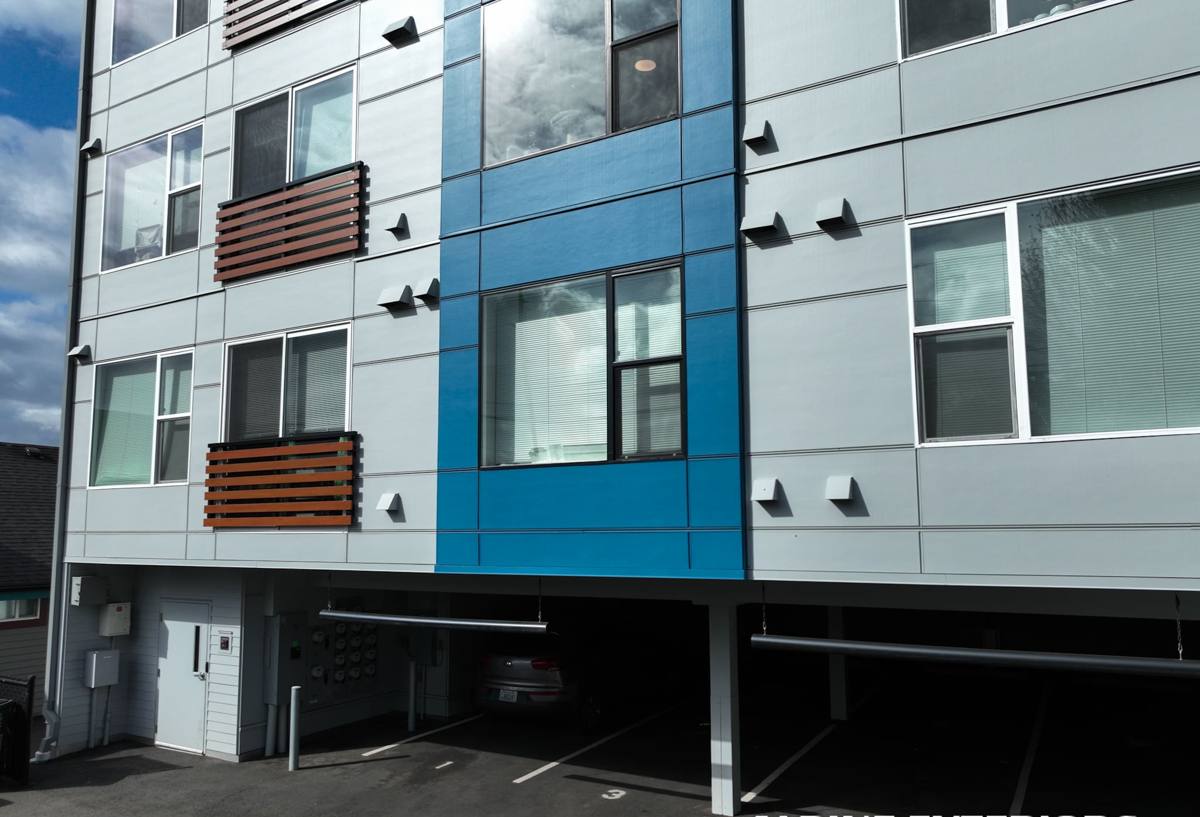
What Hyde Park Homes Need From Their Windows
Hyde Park is one of Tampa's older, established neighborhoods, so the housing stock includes a genuine range: early-1900s bungalows and Mediterranean Revival homes alongside newer infill construction and renovated properties. That range matters for window work.
Older Homes
Original wood-frame windows in older Hyde Park homes were often built with real craftsmanship, but decades of humidity, sun exposure, and settling have usually left the frames warped, the glazing cracked, and the weatherstripping long gone. Replacing these correctly means respecting the original opening dimensions and, where the house has any historic character worth preserving, choosing a replacement profile that doesn't look out of place next to the original trim and siding details.
Newer Construction
Homes built or substantially renovated more recently are more likely to already have code-compliant windows, but "code compliant" isn't the same as "installed well." We still see newer installs with poor sealant work, missing or incorrect flashing, or windows that were never actually tested for water infiltration after installation.
Signs Your Windows Need Replacing
- Visible daylight or a draft around the frame when the window is fully closed and locked
- Fogging or moisture trapped between panes on double-pane windows (a failed seal)
- Wood frames that are soft, discolored, or show signs of rot near the sill
- Windows that are difficult to open, close, or lock — often a sign of frame warping
- Water staining on interior walls or sills after heavy rain
- Noticeably higher cooling bills without another clear explanation
- Aluminum or vinyl frames that are pitted, chalky, or corroded from salt air exposure
- Single-pane glass with no impact rating in a home that's never been upgraded
What a Correct Window Installation Actually Involves
A window installation is judged on what you can't see once the trim goes back on. The glass and frame matter, but most failures trace back to the details around the opening.
Preparing the Opening
Before a new window goes in, the existing opening has to be checked for square, level, and structural soundness. Any rot, damaged framing, or deteriorated sheathing gets addressed before the new unit goes in — installing a good window into a compromised opening just hides the problem temporarily.
Flashing and Water Management
Proper flashing directs water away from the wall assembly rather than letting it wick into the framing. This is the single most common corner cut in low-quality installs, and it's also the hardest failure to spot from the outside until you already have interior water damage.
Sealing and Fastening
Windows need to be fastened per the manufacturer's installation instructions and the product's impact rating, not just "screwed in until it feels tight." Sealant has to be applied at the right points in the right order — sealing everything shut without allowing designed drainage paths to work can trap water instead of shedding it.
Interior and Exterior Finish Work
Trim, caulking, and paint or finish work should leave a clean seal on both sides. This is also the point where insulation around the frame gets checked, since gaps here are a common source of drafts even when the window itself is fine.
Impact-Rated Windows vs. Standard Windows with Shutters or Film
Homeowners in Hyde Park generally choose between a few approaches to hurricane protection. Each has real trade-offs, and the right answer depends on the home, the budget, and how much manual prep you're willing to do before a storm.
| Approach | Everyday Performance | Storm Prep Required | Maintenance |
|---|---|---|---|
| Impact-rated windows | Reduces UV and noise year-round; no separate hardware needed | None — protection is built in | Low; standard glass cleaning and hardware checks |
| Standard windows + accordion or roll shutters | No added benefit day-to-day; shutters only deploy for storms | Manual deployment before every storm | Moderate; shutter tracks and hardware need periodic service |
| Standard windows + retrofit film | Some UV reduction; film can degrade over time | None, but film is not a substitute for a true impact rating | Film may need replacement over the years as it ages |
We install impact-rated windows because they solve the problem permanently and don't rely on the homeowner doing anything before a storm arrives. That said, we'll talk through the honest trade-offs of each option for your specific home and budget rather than pushing a single answer.
Our Installation Process
- On-site assessment. We look at your current windows, the condition of each opening, and your goals — full replacement, partial upgrade, or addressing a specific problem area.
- Product selection. We walk through frame material, glass options, and impact ratings appropriate for Hillsborough County's wind zone requirements, matched to your home's style and budget.
- Measuring and ordering. Precise measurements matter — an opening that's off by a fraction of an inch can compromise the seal or require costly field modifications later.
- Permitting. Window replacement in Tampa typically requires a permit, especially for impact-rated upgrades. We handle this so you're not navigating the county or city process alone.
- Removal and opening prep. Old units come out, and we inspect and repair the framing before anything new goes in.
- Installation. New windows are set, leveled, flashed, fastened, and sealed to manufacturer specifications.
- Finish work and inspection. Trim and finish work is completed, and the job is reviewed against code before we consider it done.
Permits and Code Requirements in Hillsborough County
Florida's building code has specific wind-load and impact requirements that vary by location within the state, and Hillsborough County enforces its own permitting process for window replacement. Skipping the permit might save a little time up front, but it can create real problems at resale — unpermitted work often has to be disclosed, and it can hold up a sale or an insurance claim. Any contractor doing window work in Hyde Park should be pulling permits as a matter of course, not treating it as optional.
What to Verify Before You Sign a Contract
- The contractor is licensed to perform this work in Florida and can show proof
- They carry current liability insurance and workers' compensation coverage
- They pull permits themselves rather than leaving it to you
- The written estimate specifies the exact product, glass type, and impact rating — not just "hurricane windows"
- They can explain their flashing and sealing approach, not just the product brand
- They have references or completed work you can ask about in the Tampa area
Why a Crew That Already Works Hyde Park Matters
A contractor who regularly works in Hyde Park already understands the mix of older and newer construction in the neighborhood, knows what Hillsborough County's permitting process actually looks like in practice, and isn't guessing at how the local climate affects long-term window performance. That familiarity shows up in fewer surprises during the job — knowing how to handle an older frame opening that's slightly out of square, or recognizing when a home's existing trim details are worth matching rather than replacing wholesale.
It also matters for accountability. A crew with an ongoing presence in the area has a reputation to protect locally, which is a different incentive than a crew passing through for a single job.
Cost Factors for Window Installation
Every home is different, so we don't quote a blanket price without seeing the job, but the main factors that affect cost are consistent across most projects.
| Factor | How It Affects Cost |
|---|---|
| Number of windows | More openings mean more labor and material, though per-unit cost often drops slightly on larger jobs |
| Impact rating | Impact-rated glass and reinforced frames cost more upfront than standard glass but remove the need for separate storm protection |
| Frame material | Vinyl, aluminum, and wood-clad options each carry different price points and maintenance needs |
| Opening condition | Rot, framing damage, or out-of-square openings add repair time before installation can even begin |
| Historic detailing | Matching original trim profiles or muntin patterns on older Hyde Park homes takes more labor than a standard swap |
| Permitting complexity | Larger jobs or full-home replacements may require more detailed plan review |
Maintaining Your Windows After Installation
Even a well-installed window benefits from basic upkeep, especially given the UV and salt exposure common throughout the Tampa area. Rinse frames periodically to clear salt residue, check weep holes to make sure they aren't blocked by debris, inspect caulking annually for cracking, and lubricate hardware to keep locks and rollers working smoothly. None of this is complicated, but skipping it shortens the life of even a high-quality installation.
If you're weighing a window upgrade for your Hyde Park home, we're happy to take a look and give you a straight answer on what your home actually needs. Reach out for a free, no-pressure estimate using the form below.