 Tampa Roofing
 Windows Built for Town 'n' Country's Climate
Town 'n' Country sits in the western part of Hillsborough County, close enough to Tampa Bay that homes here take a steady beating from the same conditions that wear down the rest of the region: hurricane-force wind gusts during tropical systems, intense UV exposure nearly every day of the year, wind-driven rain that finds its way into any gap, and salt-laden air drifting in off the water. Windows are one of the most exposed parts of a house, and in this neighborhood they don't get a break. A window that was installed correctly ten or fifteen years ago in a drier, milder climate might still be doing fine. A window installed poorly here — even a good window, installed wrong — tends to show problems much sooner.
This page is about one job, done right, in one place: window installation for homes in Town 'n' Country. Not a general overview of every window product on the market, but what actually matters for houses in this part of Hillsborough County.
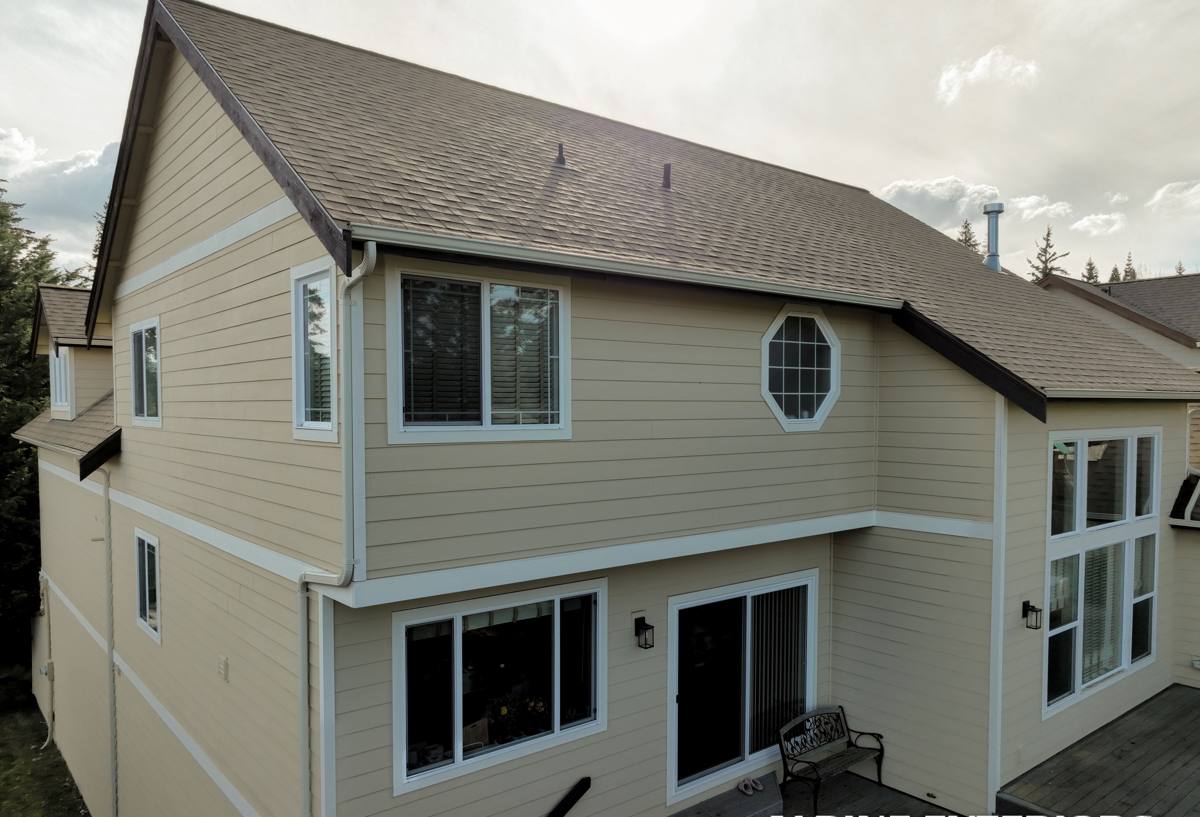
Signs Your Current Windows Are Past Their Useful Life
Most homeowners don't think about window replacement until something forces the issue. Here's what we typically see first in this area:
- Fogging or a permanent haze between panes on double-pane windows — the seal has failed and moisture has gotten inside the glass unit
- Wood or composite frames that feel soft, spongy, or show dark staining near the bottom corners
- Windows that are difficult to open, close, or lock, often from frame warping or swelling
- Visible daylight or a draft around the frame when the window is shut
- Chalky, faded, or pitted exterior frame finish from years of direct UV
- A noticeable jump in cooling costs during summer months compared to previous years
- Rattling or whistling during windy conditions or storms
Any one of these on its own isn't necessarily an emergency. But in combination, they usually mean the window's weather seal, frame integrity, or both have degraded to the point where repair isn't a lasting fix.
Why UV and Humidity Hit Windows Harder Here
Florida's UV index runs high for most of the year, and that constant sun exposure breaks down sealants, gaskets, and certain frame finishes faster than in northern climates. Add in the region's humidity and the frequent swings between soaking rain and intense heat, and you get a cycle of expansion and contraction that stresses seals and fasteners. Salt air, even well inland from the coast, accelerates corrosion on hardware and fasteners that aren't rated for it. None of this is unique to Town 'n' Country, but it's a fact of life for every home in this stretch of Tampa.
What a Correct Window Installation Actually Involves
Window installation is often treated as a simple swap — old window out, new window in. Done that way, it's the single biggest reason replacement windows fail early, regardless of how good the window itself is. A correct installation is really about everything around the window unit:
- Opening inspection. Before anything goes in, the rough opening gets checked for rot, soft framing, or existing water damage. Installing a new window over a compromised opening just hides a bigger problem.
- Flashing and moisture barrier work. Proper flashing directs any water that gets past the window frame back out and away from the wall assembly, rather than letting it collect inside the wall cavity.
- Sealant selection and application. Not all sealants perform the same under Florida's UV and heat. The wrong caulk or backer rod setup will crack and separate within a couple of seasons.
- Fastening to manufacturer and code specification. Windows in wind-exposed areas need to be fastened per the manufacturer's tested installation instructions, not "close enough."
- Level, plumb, and square check. A window that's slightly out of square will bind, leak, or fail its seal well before its expected lifespan.
- Interior and exterior trim finishing. The finish work is what actually keeps water from having a path in from either side.
Skip or rush any one of these steps and you can end up with a brand-new window that leaks, drafts, or fails inspection — even though the window itself was a perfectly good product.
Choosing the Right Window for This Part of Hillsborough County
Homeowners in Town 'n' Country generally choose between standard windows paired with separate storm protection (shutters or panels) and impact-rated windows that are built to resist wind-borne debris on their own. Both approaches can meet code, and each has real tradeoffs worth understanding before you decide.
| Option | What It Involves | Tradeoffs |
|---|---|---|
| Standard windows + separate storm protection | Standard vinyl, aluminum, or composite window plus shutters or panels installed before a storm | Lower upfront window cost, but requires manual setup before every storm and separate maintenance on the shutter system |
| Impact-rated windows | Laminated glass and reinforced frame tested to resist wind-borne debris impact | Higher upfront cost, no separate storm prep needed, added UV and noise reduction, but installation must precisely follow the tested assembly |
| Frame material: vinyl | Common, budget-friendly, low maintenance | Can expand/contract more in extreme heat; quality varies widely by manufacturer |
| Frame material: aluminum | Strong, slim sightlines, often used in impact-rated units | Conducts heat more than vinyl; needs a good thermal break for energy performance |
| Frame material: fiberglass/composite | Very stable in heat and humidity, low expansion | Higher material cost than vinyl |
We don't push one frame material or glass package as the universal answer. What we do insist on is matching the product to what the specific opening, orientation, and budget actually call for — and installing it to the standard that product requires. A premium impact window installed loosely performs worse than a standard window installed correctly.
Permits, Code, and Why That Matters Here
Hillsborough County and the City of Tampa fall within Florida's wind-borne debris region under the Florida Building Code, which means window replacements typically require a permit and must meet specific wind-load and impact criteria depending on the home's exact location and elevation. This isn't paperwork for its own sake — it's a real determination of what wind pressure and impact resistance your windows need to hold up to. We pull the required permits and schedule inspections as part of the job, rather than leaving that step to the homeowner or skipping it. An uninspected or unpermitted window replacement can create real problems later, from insurance claim denials to issues at resale.
Our Installation Process, Step by Step
- On-site assessment. We look at each opening individually — framing condition, current window type, sun exposure, and any existing water intrusion signs.
- Product recommendation. Based on that assessment and your budget, we walk through the realistic options, including frame material and impact-rating tradeoffs.
- Permitting. We handle the permit application and scheduling with the county or city as required for the scope of work.
- Removal and opening prep. Old windows come out carefully, and we address any rot, soft framing, or existing damage found underneath before anything new goes in.
- Flashing and installation. New flashing and moisture barrier work, precise leveling, manufacturer-specified fastening, and sealant application.
- Interior and exterior finish. Trim, caulking, and paint or finish work to match the surrounding wall.
- Final inspection and walkthrough. We confirm the permit inspection passes and walk the homeowner through operation and basic care for the new windows.
Why a Crew That Already Works Town 'n' Country Matters
Window installation quality isn't just about the crew's general skill — it's about knowing the conditions they're building for. A crew that regularly works homes in this part of Tampa already understands the typical construction era and framing styles common to Town 'n' Country, has a working relationship with Hillsborough County's permitting process, and has seen firsthand how quickly a bad seal or wrong sealant choice turns into a callback here versus in a milder climate. That familiarity shows up in fewer surprises during the job and fewer problems after it — not because of anything mysterious, but because the crew has already made and corrected the mistakes that come from installing windows without accounting for this specific environment.
It also matters for scheduling around weather. Installation timing, cure times for sealants, and coordinating around Florida's rain patterns are all easier to manage for a crew that works this area routinely rather than one passing through.
Keeping New Windows Performing Long-Term
A correctly installed window still benefits from basic upkeep, especially given the climate. A short annual routine goes a long way:
- Inspect exterior caulking and sealant lines each spring for cracking or separation, and have any gaps addressed before rainy season
- Clean tracks and weep holes so water has a clear path to drain out rather than pooling
- Check hardware — locks, hinges, rollers — for corrosion, especially on homes closer to the water
- Rinse salt film and pollen buildup off frames and glass periodically rather than letting it sit
- After any major storm, do a visual check for new gaps, cracked glass, or seal separation
None of this replaces a proper installation, but it does extend the life of one and helps catch small issues before they become bigger repairs.
What Affects the Cost of a Window Installation
| Factor | Why It Affects Cost |
|---|---|
| Number and size of openings | More or larger windows mean more material and labor time |
| Impact-rated vs. standard glass | Impact glass and reinforced frames cost more upfront but remove the need for separate storm protection |
| Frame material | Vinyl, aluminum, and fiberglass/composite carry different material costs and performance tradeoffs |
| Condition of existing openings | Rot or framing repair found during removal adds labor and material beyond the window itself |
| Permitting requirements | Scope and location can affect what permits and inspections are required |
| Trim and finish work | Matching existing interior trim or exterior stucco/siding finish adds finishing labor |
We provide a written, itemized quote before any work starts, so you can see exactly what's driving the price rather than a single lump number.
If your Town 'n' Country home has windows showing their age, or you're planning ahead of hurricane season, we're happy to take a look and walk you through honest options for your specific home. Reach out for a free, no-pressure estimate using the form below.