 Tampa Roofing
 Why Ybor City Decks Take More Punishment Than People Expect
Ybor City sits close enough to Tampa Bay that homeowners here deal with a combination most inland neighborhoods don't: intense subtropical sun almost every day of the year, salt-laden air drifting in off the water, and the real possibility of hurricane-force wind and wind-driven rain during storm season. Add Hillsborough County's humidity, which barely lets up even in winter, and you've got an environment that will find every weak point in an outdoor structure faster than almost anywhere else in the country.
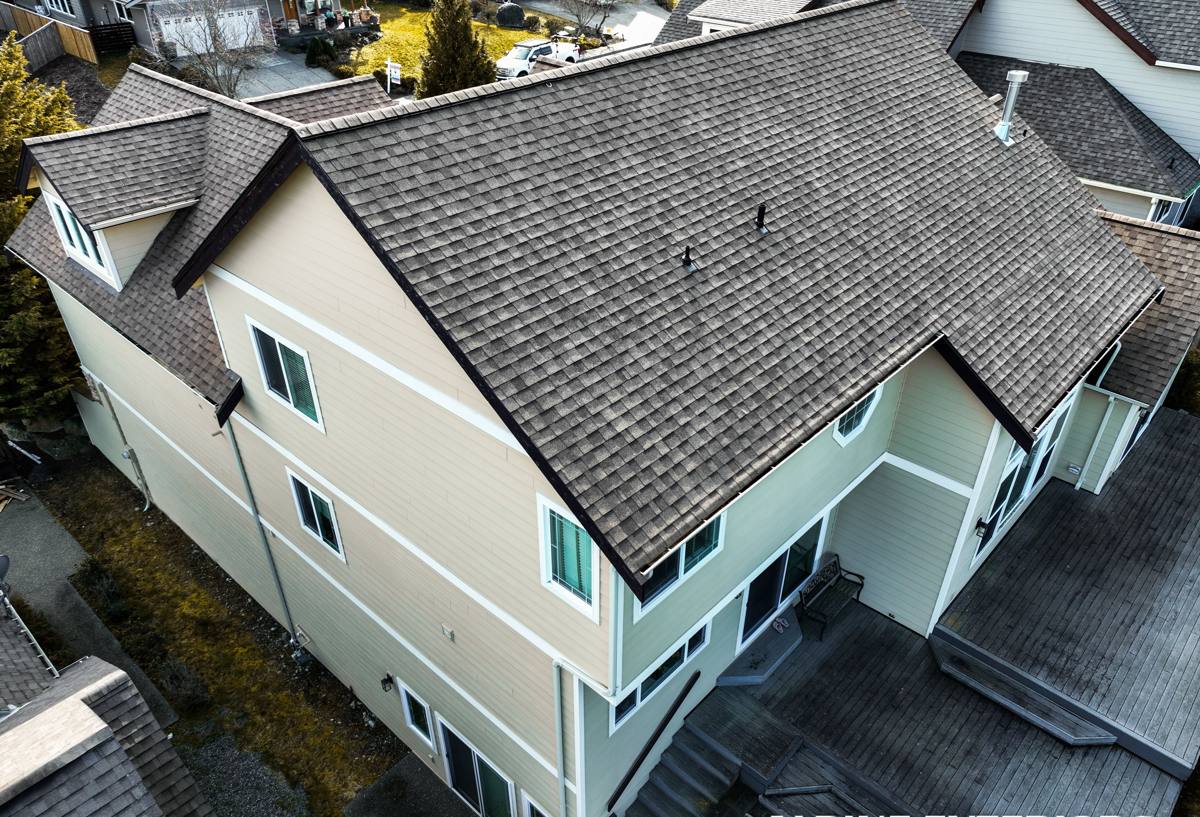
Wood decks in this part of Tampa often start showing cupping, splintering, and fastener pop-through within a handful of years, even with regular sealing. Composite decking was developed specifically to resist that kind of punishment, but "composite" isn't a single product — board quality, core construction, and installation method vary a lot, and in a climate like this, those differences show up fast. This page covers what actually holds up in Ybor City, what a correct installation looks like, and how we approach the job.
What Composite Decking Needs to Do in This Climate
A deck built for Ybor City has a specific job description. It needs to:
- Resist UV fading and surface chalking under near-daily direct sun exposure
- Shed wind-driven rain without trapping moisture in the board core or substructure
- Stay dimensionally stable through repeated wet-dry and heat-cool cycles
- Hold fasteners and hardware securely against gusts during tropical storms and hurricanes
- Resist corrosion from salt air, especially on hardware, ledger connections, and structural brackets
- Stay reasonably comfortable underfoot during summer afternoons, when surface temperatures climb fast in direct sun
Good capped composite boards handle the first four points well by design — the point is where installation quality and hardware choice come in, which is where a lot of decks in this area actually fail.
Comparing Decking Materials for a Coastal-Adjacent Tampa Property
Homeowners weighing decking options in Ybor City usually narrow it down to a few categories. Here's how they generally compare for this specific climate:
| Material | UV/Fade Resistance | Moisture Behavior | Maintenance | Typical Lifespan Here |
|---|---|---|---|---|
| Pressure-treated wood | Fades and grays without regular sealing | Absorbs water, prone to cupping and splitting | Annual sealing/staining recommended | 8–15 years with upkeep |
| Capped composite | Strong; cap layer resists UV fade | Water-resistant core, sheds moisture well | Occasional soap-and-water cleaning | 25–30+ years, manufacturer-dependent |
| Uncapped/first-gen composite | Weaker; can fade and stain over time | More moisture absorption at cut edges | Moderate cleaning, some sealing at edges | 15–20 years |
| Solid PVC decking | Very strong, resists fade well | Fully moisture-resistant | Low; simple cleaning | 25–30+ years |
For most Ybor City homes, we recommend capped composite as the practical middle ground — strong moisture and UV performance without the premium cost of solid PVC, and none of the ongoing sealing burden of wood. The trade-off with any composite is that installation precision matters more than it does with wood; composite doesn't forgive sloppy framing or poor drainage the way a wood deck sometimes can hide it for a while.
What a Correct Composite Deck Installation Actually Involves
Substructure First
The composite boards get the attention, but the framing underneath is what determines whether the deck survives a Tampa storm season. That means pressure-treated or corrosion-resistant framing lumber, joist spacing tightened to what the composite manufacturer specifies (composite typically needs closer joist spacing than wood, especially at angles or diagonal patterns), and joist tape or flashing to keep water off the top of the framing where it collects and rots from beneath.
Hardware and Fasteners
Salt air degrades standard fasteners faster than most homeowners expect. We use stainless steel or coated, corrosion-rated hardware for ledger boards, joist hangers, and structural connections — this is one of the most common corners cut on lower-cost deck jobs, and it's the one that causes structural problems years down the line, not cosmetic ones.
Ledger Attachment and Flashing
Where the deck attaches to the house is the single most common source of water intrusion on any deck, composite or wood. Proper flashing at the ledger board keeps wind-driven rain from working its way behind the siding or into the rim joist. This is also where we check that the ledger connection itself is engineered for wind uplift, not just vertical load — that matters a lot more here than in a low-wind inland market.
Expansion Gaps and Fastening Pattern
Composite boards expand and contract with heat more than most homeowners assume. Board spacing, fastener type (hidden clip systems vs. face-screwed), and picture-frame trim details all need to account for that movement, especially given how much direct sun a Ybor City deck typically gets across the day.
Railing and Perimeter Bracing
Railings need to meet code for structural load, but in a hurricane-exposed area we also think about wind resistance on the railing system itself — loose or under-braced railings are a common failure point when storm winds hit a deck at an angle.
Our Process
1. On-Site Assessment
We look at the existing structure (if there is one), the ledger connection point, drainage patterns around the foundation, and sun/wind exposure specific to your lot. Ybor City's mix of older housing stock and updated properties means every site has its own quirks — we don't quote off a generic template.
2. Design and Material Selection
We walk through board options, color/finish choices, and railing systems based on your budget and how the space will actually be used — entertaining, grilling, pure aesthetics, or all three. We'll tell you honestly where a lower-tier composite is a fine choice and where it isn't worth the savings given this climate.
3. Framing and Structural Work
This is where we spend the most care, since it's the part that determines whether the deck is still solid in ten years. Proper joist spacing, corrosion-resistant hardware, flashing, and ledger attachment all happen before a single composite board goes down.
4. Installation
Boards are installed to the manufacturer's specified fastening pattern and expansion gaps, with attention to drainage slope so water doesn't pool on the deck surface after Tampa's frequent summer downpours.
5. Final Walkthrough
We check fastener finish, railing rigidity, and drainage with you before calling the job done, and go over the manufacturer's warranty terms and basic care so you know exactly what's covered.
Mistakes We Commonly See on Existing Ybor City Decks
When we're called out to repair or replace an existing deck in this area, a handful of issues show up repeatedly:
- Joist spacing built to wood-deck standards, causing composite boards to sag or bounce over time
- Standard (non-corrosion-rated) fasteners rusting and staining boards or failing structurally
- Missing or inadequate ledger flashing, leading to hidden rot in the rim joist
- Boards installed with no expansion gap, causing buckling during peak summer heat
- Railings that meet minimum load code but flex noticeably in strong wind
None of these are visible from the surface right after installation — they show up two, three, or five years later, which is exactly why installation quality matters more than most homeowners assume when they're just comparing board prices.
Maintaining a Composite Deck in Tampa's Climate
Composite decking is low-maintenance, not no-maintenance. In this climate, a simple seasonal routine goes a long way:
- Rinse and sweep debris regularly — organic buildup in humid conditions can lead to surface mildew on any deck material
- Wash with soap and water a couple of times a year to clear salt residue and pollen film
- Inspect railings and fastener points after major storms for looseness
- Keep gutters and downspouts near the deck clear so runoff doesn't pool against the structure
- Check that furniture feet and grills aren't trapping moisture or heat against the board surface
Why Hiring a Crew That Already Works Ybor City Matters
A deck contractor who mainly works inland, low-wind markets isn't necessarily thinking about salt-air hardware corrosion or hurricane wind-uplift bracing by default — it's just not part of their normal job. Working regularly in Ybor City and the surrounding Tampa neighborhoods means we're building to this climate as a baseline, not as an afterthought: corrosion-rated hardware, wind-rated railing bracing, and flashing details sized for wind-driven rain aren't upgrades we mention halfway through the quote — they're just how we build here.
We're also familiar with the practical realities of Ybor City's housing stock — a mix of historic homes, updated properties, and everything in between — and how that affects ledger attachment, access, and site logistics on a given lot.
Questions to Ask Before Hiring a Deck Contractor
- Do they use corrosion-rated fasteners and hardware, or standard galvanized?
- Is joist spacing adjusted specifically for composite decking, not just copied from a wood-deck plan?
- How is the ledger board flashed and attached to resist wind-driven rain?
- What's the manufacturer's warranty, and does the installer follow the fastening pattern required to keep that warranty valid?
- Can they explain how the railing system is braced for wind, not just built to minimum load code?
If a contractor can't answer these clearly, it's worth asking more before signing anything — these are the details that separate a deck that lasts one storm season from one that lasts decades.
If you're considering a new composite deck or need an honest look at an existing one, we're happy to walk the site with you and put together a straightforward, no-pressure estimate — just fill out the form below and we'll get in touch.